
Glass Table Tops in Bellerose Terrace, NY
Custom Glass Cut to Fit Your Table Perfectly

Hear from Our Customers
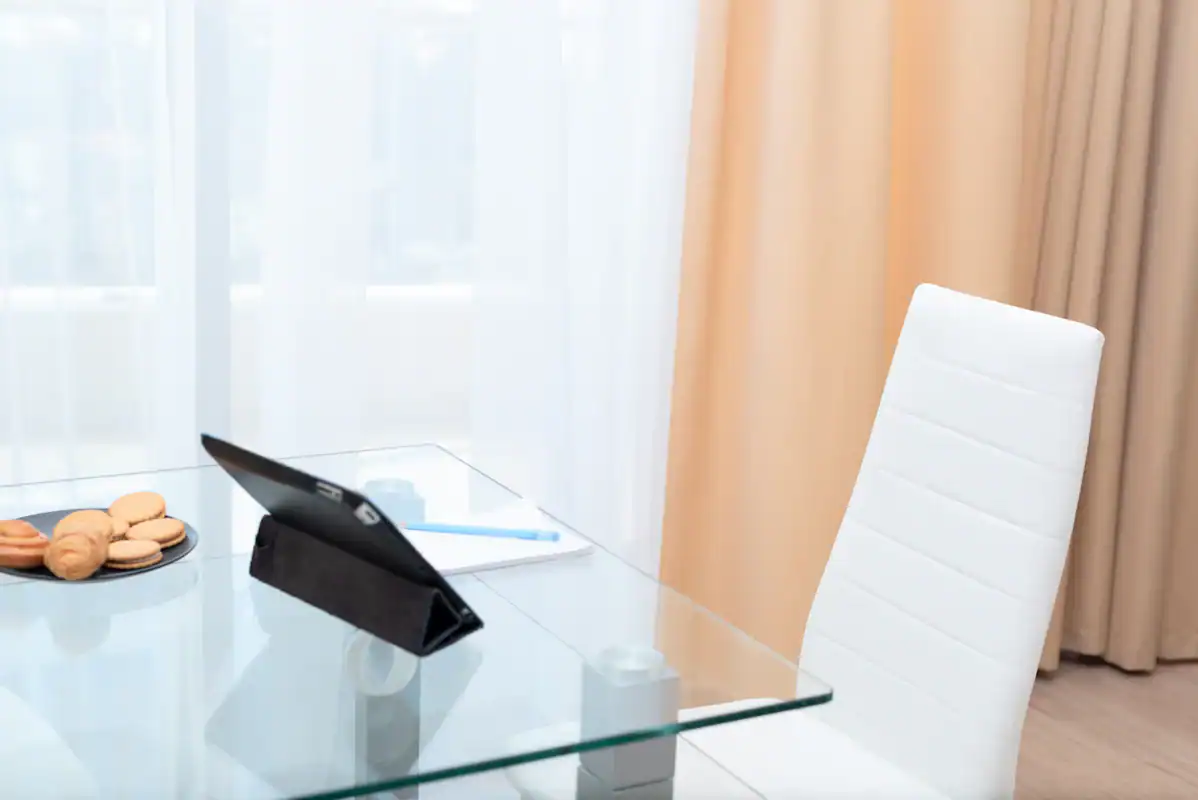
Custom Glass Table Tops Bellerose Terrace
You stop worrying about water rings on your dining table. Scratches from everyday use don’t reach the wood underneath. Your antique furniture stays protected while people can still see the grain, the detail, the craftsmanship you paid for.
Tempered glass means if something does go wrong, you’re not dealing with dangerous shards. It breaks into small, dull pieces. That matters when you have kids running around or you’re hosting dinner parties where someone might knock over a glass.
The surface is easy to wipe down. No special products, no babying it. You clean it and move on with your day. It handles hot plates, cold drinks, and everything in between without warping or staining.
Glass Services Bellerose Terrace NY
We’ve been fabricating high-quality glass products for Long Island homeowners for over 20 years. We’ve measured hundreds of tables in Bellerose Terrace and surrounding Nassau County communities, cut thousands of custom pieces, and installed glass in some of the area’s finest homes—including properties throughout the Hamptons.
Local residents know that finding reliable contractors matters. We hold Better Business Bureau certification and maintain active membership in the Long Island Builders Institute and National Kitchen and Bath Association. We’re established, vetted, and trusted by homeowners and top contractors across the region.
We offer transparent pricing, detailed proposals, and meaningful discounts for military, veterans, and first responders. No surprises, no runaround, no settling for less than what you were promised.
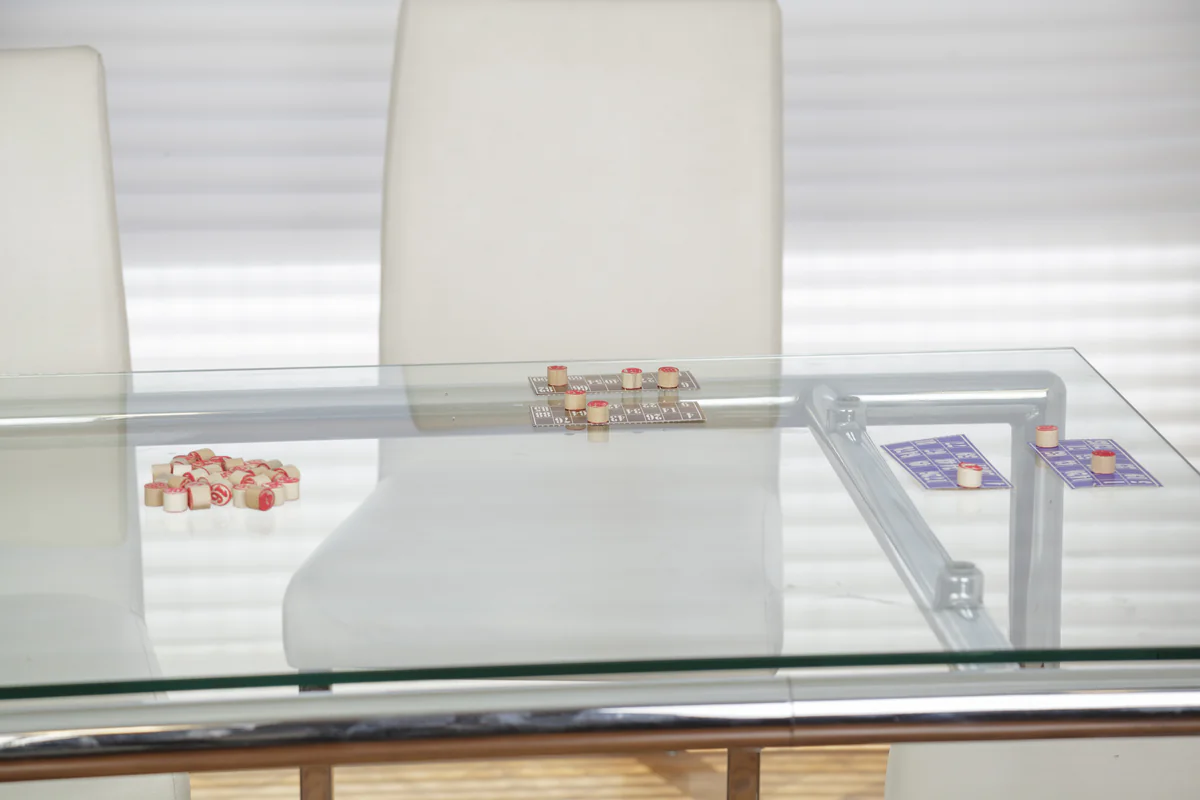
How Custom Glass Table Tops Are Made
First, you reach out for a consultation. We’ll ask about your table—dimensions, what it’s made of, how you use it. If you’re unsure about measurements, we can guide you through it or come out to measure in person. Accuracy matters here. Even 1/8″ off can mean a poor fit.
Once we have the specs, we’ll recommend the right thickness. A protective cover over an existing surface usually needs 1/4″ glass. A standalone glass top that’s actually holding weight? You’re looking at 1/2″ or thicker, depending on the span and base support.
You’ll choose your edge finish. Seamed edges are basic and safe but not decorative. Flat polished, pencil polished, or beveled edges look better if people will see the sides. We’ll explain the difference and help you pick what makes sense for your setup and budget.
The glass gets custom-cut at our Long Island fabrication facility. We use precision equipment, not rough estimates. Tempered glass goes through a heat treatment process that makes it four times stronger than standard glass and significantly safer if it ever breaks.
Installation is straightforward. We clean both surfaces, position the glass carefully, and secure it with rubber bumpers or adhesive pads to prevent slipping and chipping. You’re left with a finished product that fits exactly as it should—no gaps, no wobble, no settling for close enough.

Ready to get started?
Durable Glass Table Covers Bellerose Terrace
You get glass cut to your exact measurements—down to 1/16″ precision. That’s the difference between a glass top that sits flush and one that wobbles or overhangs awkwardly. Precision isn’t optional when you’re protecting valuable furniture.
Tempered glass is standard for safety. It’s heat-treated to be four times stronger than regular glass. If it ever breaks, it shatters into small, blunt pieces instead of dangerous shards. That’s not a nice-to-have—it’s how protective glass covers should be done, especially in homes with children or pets.
Edge finishing options depend on how visible the edges are. If your glass sits inside a frame, a seamed edge works fine. If the edges are exposed—like on most dining or coffee tables in Bellerose Terrace homes—you’ll want polished or beveled edges. They’re smooth, finished, and safe to touch.
Many Bellerose Terrace homes feature traditional dining rooms with heirloom furniture or custom wood tables. Durable glass table covers let you protect those surfaces without hiding them. You still see the wood, the inlay work, the character of the piece underneath.
Thickness matters more than most people realize. A 24-inch square table can usually handle 1/4″ glass if it’s just a protective layer. Larger tables, especially those over 36 inches or without center support, need 1/2″ to 3/4″ glass to avoid flexing or cracking under weight.
You also get options for glass type. Standard clear glass works for most applications. Low-iron glass reduces the greenish tint you sometimes see on thicker edges. Tinted or frosted glass adds a design element if that fits your home’s aesthetic.
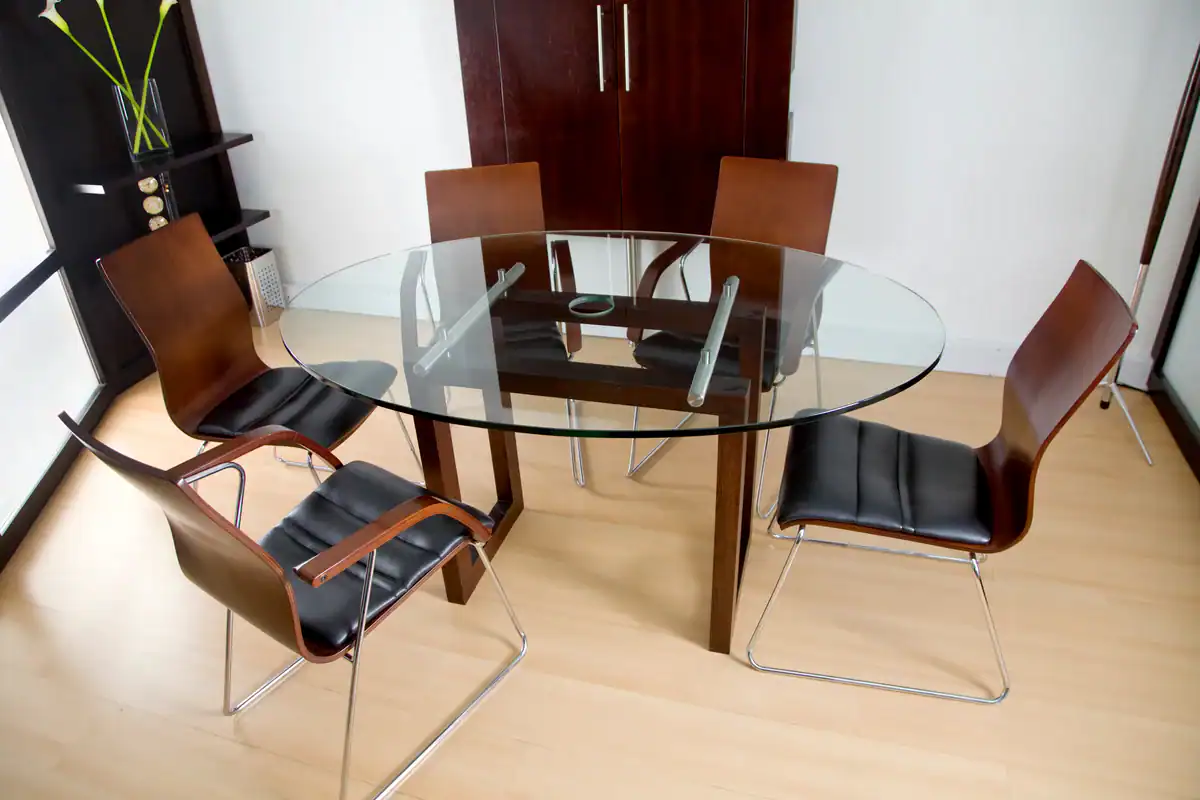
How do I measure my table for a custom glass top?
Measure the flat surface where the glass will sit, not the decorative edges or overhangs. Use a metal measuring tape and measure to the nearest 1/16″. For rectangular tables, measure both the length and width. For round tables, measure the diameter across the widest point.
It’s common to measure too large. Most professionals recommend stopping 1/16″ short of the edges—it’s better for the glass to be slightly smaller than too large. If your table has radius corners, you can test the curve with a coin (dime, nickel, or quarter) to see if it matches.
If you’re unsure or your table has an unusual shape, it’s worth having us come measure. A small mistake in measurement can mean ordering the wrong size, and custom-cut glass can’t be returned. Getting it right the first time saves money and frustration.
What thickness of glass do I need for my table?
If you’re using glass as a protective cover over an existing table surface, 1/4″ thickness is usually sufficient. The table underneath provides support, so the glass doesn’t need to bear much load.
If the glass is the actual table surface—meaning it’s suspended on a base with no solid surface underneath—you need thicker glass. Tables under 24 inches can sometimes work with 3/8″ glass, but anything larger should be 1/2″ or thicker. Tables over 48 inches or those without center support often require 3/4″ glass to prevent flexing or cracking.
The base matters too. If your table has evenly spaced legs or a sturdy frame, you can sometimes go slightly thinner. A wobbly or uneven base needs thicker glass to compensate. When in doubt, go thicker—it’s safer and more durable in the long run.
Is tempered glass necessary for table tops?
Yes, especially if the glass is the primary surface or if you have kids, pets, or regular use. Tempered glass is four times stronger than regular annealed glass. It’s heat-treated during manufacturing, which changes how it breaks.
If tempered glass does break, it shatters into small, blunt pieces instead of large, sharp shards. That’s a significant safety advantage, particularly in homes with children or high-traffic areas. Regular glass can break into dangerous, jagged pieces that cause serious injuries.
Tempered glass also handles temperature changes better. You can set hot dishes or cold drinks on it without worrying about thermal shock causing cracks. It’s more expensive than annealed glass, but the safety and durability make it worth the cost for most applications.
What type of edge finish should I choose?
It depends on whether people will see the edges. A seamed edge is lightly sanded to remove sharp burrs—it’s safe to handle but not decorative. If your glass sits inside a frame or the edges aren’t visible, seamed is fine and saves money.
For exposed edges, you’ll want a polished or beveled finish. Flat polished edges are smooth and clear, with a clean, modern look. Pencil polished edges have a slight rounded profile. Beveled edges are angled and catch light, adding a decorative element.
Most dining tables, coffee tables, and desks have exposed edges, so polished or beveled finishes are standard. The difference in cost is usually modest, and the finished look is significantly better. We can show you samples and help you decide what works best for your table style.
How is the glass secured to the table base?
Most glass table tops are secured with clear rubber bumpers or adhesive pads placed between the glass and the base. These prevent the glass from sliding while allowing you to remove it if needed. They also create a small gap that prevents moisture buildup and reduces the risk of chipping.
For metal or steel bases, table top adapters are sometimes used. These are aluminum or metal disks that attach to the underside of the glass with clear epoxy, then bolt to the base. They provide a very stable connection and work well for heavier or larger glass tops.
Wood bases can use bumpers, adhesive tape, or in some cases, stronger adhesives like epoxy or silicone. The method depends on whether you want the glass to be removable or permanently attached. Permanent adhesives are harder to work with and can’t be undone, so most people prefer bumpers or pads for flexibility.
How long does it take to get a custom glass table top?
After measurements are finalized and you’ve approved the quote, fabrication typically takes one to two weeks. That includes cutting the glass to size, tempering it if specified, and finishing the edges.
Tempering adds time because the glass has to go through a heat treatment process. It can’t be cut or drilled after tempering, so all customization has to happen beforehand. That’s why accurate measurements and clear specifications upfront are critical.
Installation is usually quick—often the same day once the glass is ready. We clean both surfaces, position the glass, and secure it with bumpers or adhesive. You’re looking at 30 minutes to an hour for most standard table installations, longer for more complex setups.
Other Services we provide in Bellerose Terrace