
Glass Table Tops in Greenlawn, NY
Protect Your Furniture Without Hiding Its Beauty

Hear from Our Customers
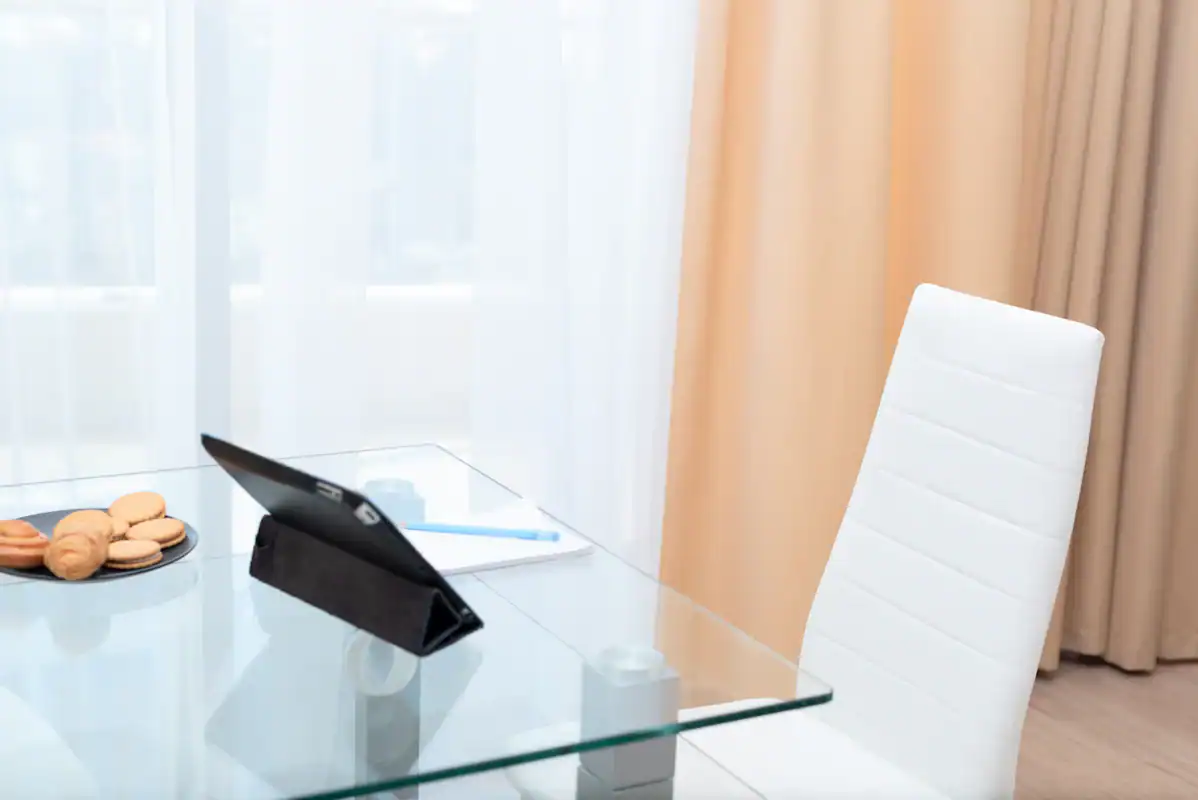
Custom Glass Table Tops Greenlawn
Your dining table doesn’t get a break. Water glasses leave rings. Plates scratch the finish. Sunlight fades the wood you spent good money on. And those table pads everyone uses? They hide the entire reason you bought the table in the first place.
A custom glass table top changes that. You get a crystal-clear protective layer that takes the hit—while your wood grain, marble veining, or hand-carved base stays visible and undamaged. It’s not about covering up your furniture. It’s about keeping it looking the way it did the day it arrived.
Tempered glass handles daily life. Hot coffee mugs, dinner plates, spills, keys tossed down after work. The surface stays clean with a quick wipe. No polishing. No refinishing. No constant worry that someone’s going to ruin your table. Just protection that actually works, cut to fit your exact dimensions, installed so it sits perfectly flush. That’s what custom glass table tops do for homes in Greenlawn.
Glass Services Greenlawn NY
We’ve been serving Greenlawn and the surrounding Long Island communities for over 20 years. While we’re known for custom shower doors and high-end glass installations in some of the Hamptons’ finest homes, that same precision and craftsmanship applies to every glass table top project we take on.
The process is straightforward. You call, we come out to measure, and you get a clear proposal with no surprises. The glass is cut to exact specifications—whether it’s a round dining table, an antique dresser, or an odd-shaped coffee table your grandfather built. Then it’s installed by people who’ve done this thousands of times. We’re BBB-certified and hold active memberships with LIBI and the National Kitchen and Bath Association, which matters when you’re trusting someone to work on furniture you care about.
Greenlawn has plenty of beautiful homes with furniture worth protecting. Many of those homes have older, well-made pieces that just need a layer of defense against everyday wear. That’s where custom glass table tops make sense—and where experience with precise measurements and quality materials makes the difference between a perfect fit and a disappointment.
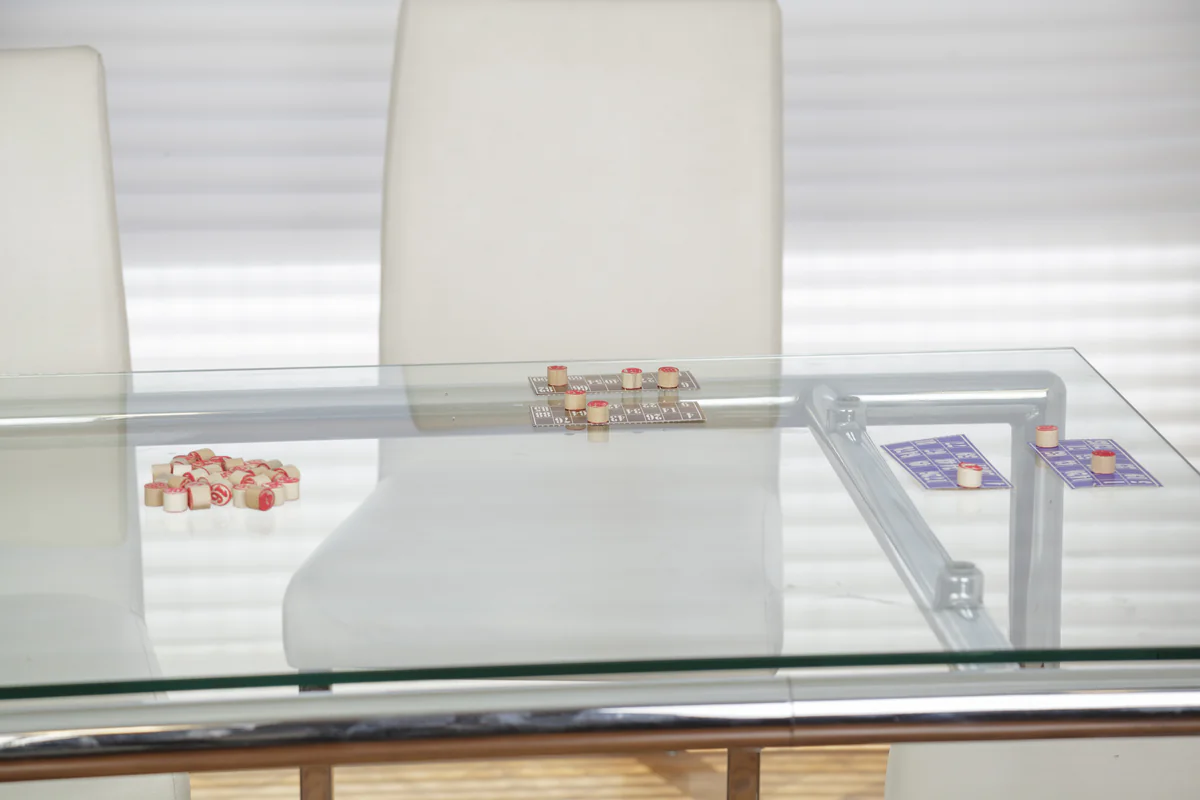
Custom Glass Table Installation Process
First, you reach out. Phone call, website form, whatever’s easier. You describe what you need—dining table, coffee table, desk, patio table, doesn’t matter. We schedule a time to come measure in person, because guessing dimensions on custom glass is how you end up with something that doesn’t fit.
During the measurement visit, we’ll talk through thickness options. If you’re just protecting a wooden surface, 1/4-inch tempered glass usually does the job. If the glass is going to be the actual tabletop surface—sitting on a pedestal base, for example—you’ll want 3/8-inch or 1/2-inch for stability. You’ll also pick an edge style: flat polished for a clean look, beveled for a more finished edge, or pencil edge for a softer, rounded feel.
Once measurements are locked in, the glass gets cut and tempered. Tempering makes it four to five times stronger than regular glass, and if it ever does break, it crumbles into dull pebbles instead of sharp shards. That’s why it’s called safety glass. After fabrication, installation is scheduled. The glass arrives, gets placed, and you check the fit. If it’s custom-cut correctly, it should sit perfectly—no gaps, no overhang, just a clean protective surface that lets your furniture breathe while keeping it safe from damage. That’s the process.

Ready to get started?
Durable Glass Table Covers Greenlawn
Every glass table top we create starts with tempered glass. That’s non-negotiable. Tempered glass is heat-treated to handle temperature swings, resist scratches better than regular glass, and break safely if something catastrophic happens. It’s the only type of glass that makes sense for furniture.
You choose the shape—round, oval, rectangular, square, or something custom if your table has an unusual footprint. Edge work gets selected based on how you want it to look and feel. A beveled edge adds a subtle design detail and feels smooth to the touch. Flat polished edges are clean and modern. Pencil edges are slightly rounded for safety and a softer appearance. All edges are finished and polished so there’s no sharpness.
Thickness depends on how the glass will be used. Protective covers over existing tables usually run 1/4-inch. Standalone glass tops that bear weight directly—like a glass surface on a wrought iron or wood base—typically need 3/8-inch or 1/2-inch for durability. You can also opt for low-iron “ultra-clear” glass if you want zero green tint, which matters when you’re trying to showcase a particularly beautiful wood grain or intricate table design.
In Greenlawn, where many homes feature quality furniture and well-maintained interiors, glass table tops serve a dual purpose. They protect investments—antique dining tables, inherited pieces, custom-built furniture—while maintaining the aesthetic that made those pieces worth protecting in the first place. You’re not covering up your table. You’re giving it a shield that’s invisible until someone spills red wine or drags a plate across the surface. Then you’re glad it’s there.
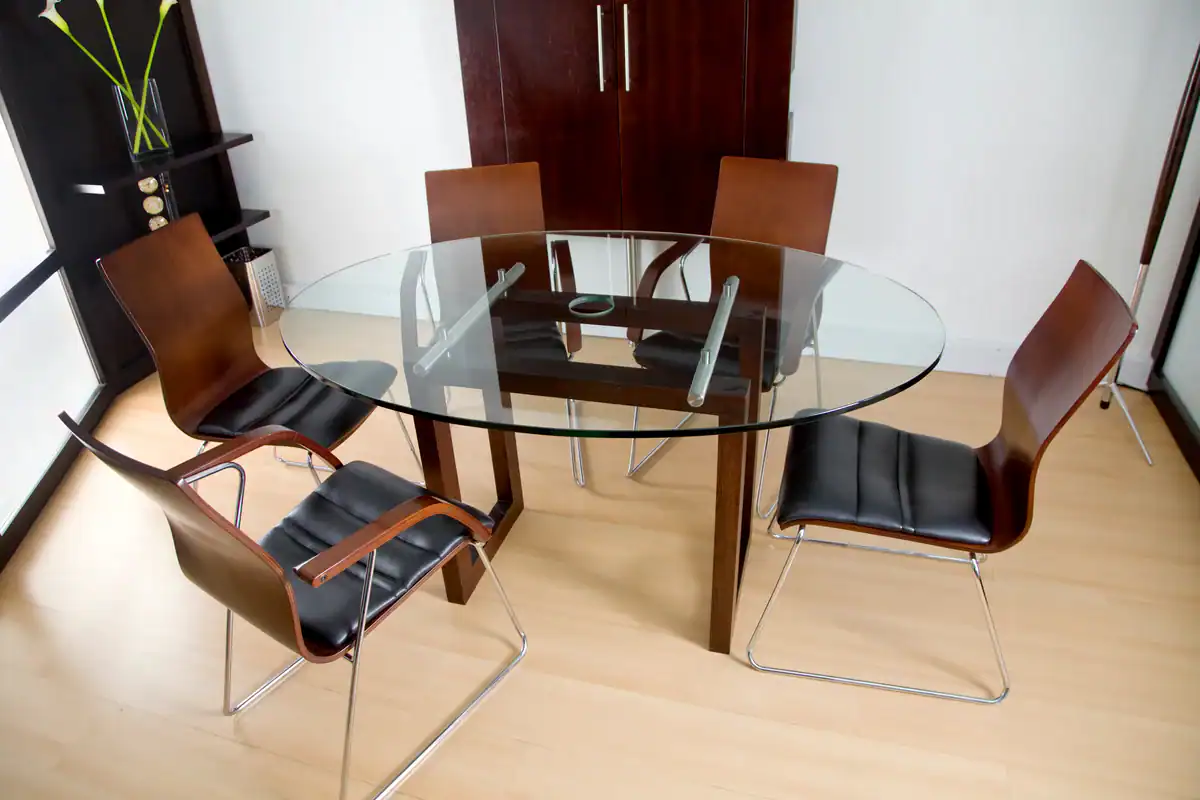
How thick should my glass table top be for a dining table?
If you’re placing glass over an existing wooden or marble dining table as a protective cover, 1/4-inch tempered glass is usually sufficient. It provides solid protection against scratches, water rings, and heat without adding too much weight or visual bulk.
If the glass is serving as the actual tabletop—meaning it’s resting on a base and supporting plates, bowls, and serving dishes directly—you’ll want 3/8-inch or 1/2-inch thickness. Thicker glass feels more substantial, handles heavier loads better, and provides greater stability, especially for larger tables or tables that see frequent use during family meals or entertaining. The added thickness also reduces flex, which matters when you’re setting down heavier items like casserole dishes or cutting boards.
For most dining tables in Greenlawn homes, 1/4-inch works perfectly as a protective layer. But if you’re building a custom table or replacing an old glass top, go thicker. It’s worth the investment for durability and peace of mind.
Will a glass table top protect my antique wood furniture from sun damage?
Yes, a glass table top provides a physical barrier that helps reduce direct UV exposure to the wood underneath. While it won’t block 100% of UV rays like a specialized UV-filtering glass would, standard tempered glass does deflect a significant portion of sunlight, which slows the fading and discoloration process.
If your antique table sits near a window and you’re concerned about sun damage, you can request tinted or low-iron glass, which offers additional protection while still allowing the wood grain and finish to remain visible. Tinted glass filters more UV light, and while it adds a slight hue, it’s often subtle enough that it doesn’t detract from the table’s appearance.
The bigger benefit is that the glass protects against everything else—water rings from plants or glasses, scratches from daily use, heat marks from dishes, and spills that can stain or warp wood. For antique furniture that’s been in your family or cost a significant amount to acquire, a custom-cut glass top is one of the simplest ways to preserve it without hiding what makes it special.
Can you cut glass table tops for unusual or custom table shapes?
Absolutely. We handle any shape—round, oval, rectangular, square, racetrack ovals, kidney-shaped, hexagonal, or completely irregular designs. If you have an antique table with a unique footprint or a custom-built piece with curves and angles, we can cut the glass to match it exactly.
The process involves taking precise measurements, often using a template or tracing the table’s outline to ensure accuracy. For tables with intricate edges or non-standard dimensions, an in-person measurement is essential. Trying to measure a complex shape yourself and calling in dimensions rarely works—it’s too easy to be off by a fraction of an inch, and with glass, that fraction matters.
Once the measurements are confirmed, the glass is cut using specialized equipment that can handle curves, angles, and custom contours. The edges are then finished based on your preference—polished, beveled, or rounded—so the final piece looks intentional and refined, not like an afterthought. If you’ve got a table that doesn’t fit a standard shape, that’s not a problem. It just means the glass needs to be custom-fabricated, which is exactly what we do for clients across Long Island.
How do I clean and maintain a tempered glass table top?
Cleaning tempered glass is simple. Use a standard glass cleaner or a mix of water and a small amount of vinegar, spray it on the surface, and wipe it down with a microfiber cloth or paper towel. That’s it. No special products, no polishing compounds, no treatments.
For daily maintenance, a damp cloth usually handles smudges, fingerprints, and light dust. If you’ve got stubborn spots—dried food, sticky residue, water deposits from hard water—let the cleaner sit for a minute before wiping. Avoid abrasive scrubbers or harsh chemicals like bleach, which can damage any coatings or dull the glass over time.
To prevent scratches, use coasters under glasses and placemats under plates. While tempered glass is scratch-resistant, it’s not scratch-proof. Dragging heavy or rough-bottomed items across the surface can still leave marks. Felt pads under decorative objects, trivets under hot dishes, and a little common sense go a long way in keeping the glass looking clear and polished. Compared to maintaining wood furniture—which requires regular polishing, conditioning, and refinishing—glass is remarkably low-effort. Clean it when it looks dirty, protect it from unnecessary abuse, and it’ll stay pristine for decades.
Is tempered glass safe if I have kids or pets in the house?
Yes. Tempered glass is specifically designed to be safer than regular glass. It’s heat-treated to be four to five times stronger, which means it’s far less likely to break under normal use. Kids bumping into the table, pets jumping up, or someone accidentally knocking something over—tempered glass handles that kind of everyday chaos better than standard glass.
The bigger safety feature is how it breaks. If tempered glass does shatter—and it takes a significant impact to make that happen—it crumbles into small, pebble-like pieces with dull edges instead of sharp, jagged shards. That’s why it’s called safety glass. The risk of serious cuts is drastically reduced compared to regular glass, which splinters into dangerous fragments.
For families with young kids or active pets, tempered glass table tops are actually one of the safer furniture options. They don’t have the same concerns as wood tables with sharp corners, and they’re easier to clean than upholstered surfaces that trap crumbs and spills. If you’re worried about safety, choosing tempered glass with rounded or beveled edges gives you an extra layer of protection. It’s a smart, practical choice for households where furniture takes a beating and you need something that can handle real life without constant worry.
How long does it take to get a custom glass table top made and installed?
Turnaround time depends on the complexity of the project, but most custom glass table tops are ready within one to two weeks after the initial measurement. Simple shapes like rectangles or circles with standard edge work tend to move faster. More intricate shapes or custom requests—like beveled edges, ultra-clear low-iron glass, or unusually large dimensions—can add a few extra days.
The process starts with an in-person measurement visit, which gets scheduled based on availability. Once measurements are confirmed and you’ve selected thickness, edge style, and any customizations, the glass goes into fabrication. Cutting and tempering take time because the glass has to be heated, cooled, and finished properly to meet safety standards.
Installation is usually quick—often under an hour for straightforward placements. The glass arrives, gets positioned on your table, and you inspect the fit. If everything was measured correctly, it should sit perfectly with no adjustments needed. From start to finish, you’re typically looking at two to three weeks for the entire process, depending on scheduling and fabrication timelines. If you need something faster, it’s worth asking during the consultation. Rush jobs are sometimes possible, but it depends on our current workload and the specifics of your project.
Other Services we provide in Greenlawn