
Glass Table Tops in Islip, NY
Stop Worrying About Ruining Your Tables Every Time Someone Sets Down a Drink

Hear from Our Customers
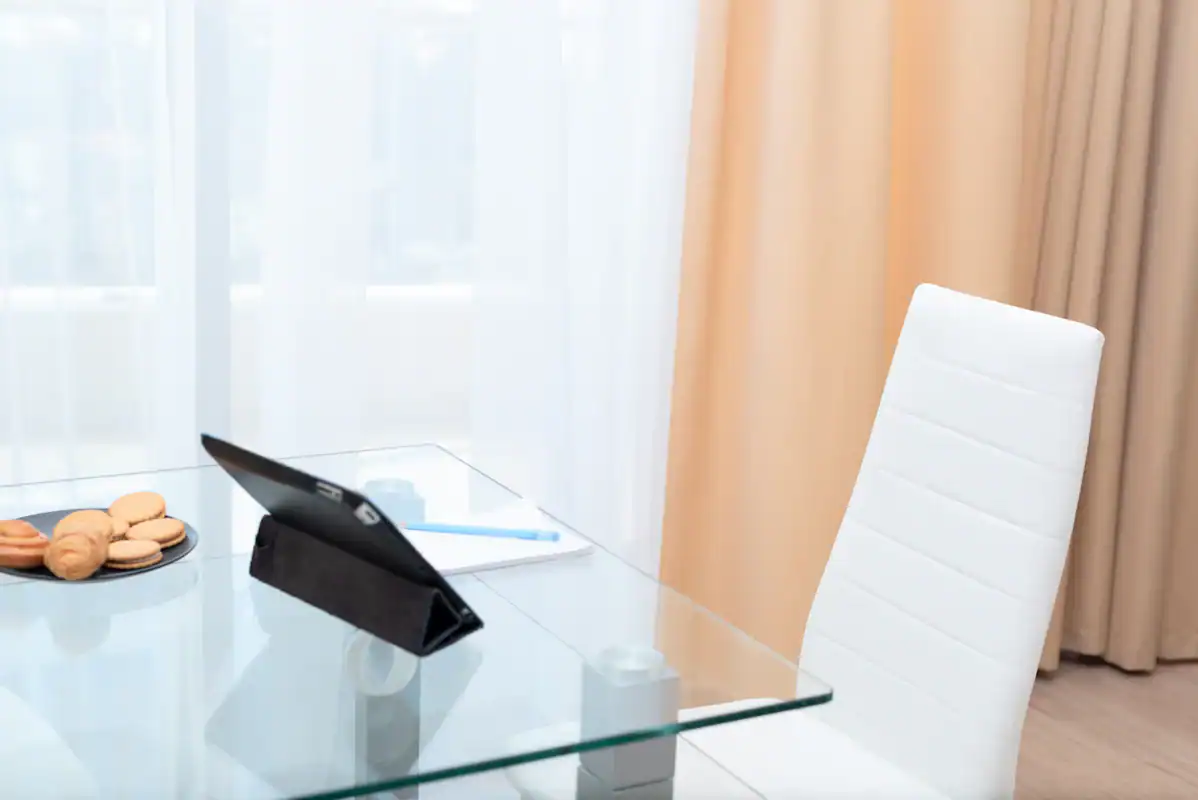
Custom Glass Table Tops Islip
You’ve already invested in quality furniture. Now you’re watching it take damage from everyday life—water rings from coffee mugs, scratches from keys and remotes, heat marks from serving dishes. A custom glass table top changes that equation entirely.
The right glass protects your wood, marble, or existing surface from the wear that comes with actually using your table. No more coasters everywhere. No more stress when someone sets down a drink. Just a clean, durable surface that handles daily life while keeping the furniture beneath it looking the way it should.
And it’s not just about protection. Glass adds a level of polish that makes a room feel more finished. It catches light. It opens up space visually. It turns a tired piece of furniture into something that feels current again, without the cost or hassle of replacement.
Glass Services Islip NY
We’ve been serving Islip and the surrounding Long Island communities for over 20 years. We specialize in high-end custom glass solutions, from stunning shower doors to contemporary glass table tops, and we’ve built our reputation on expert craftsmanship and transparent communication.
Our team holds certifications with the Better Business Bureau and maintains active membership in leading associations like LIBI and the National Kitchen and Bath Association. Our client roster includes the Hamptons’ finest homes and top contractors across Long Island—not because of aggressive marketing, but because the work speaks for itself.
Every project starts with a detailed consultation and accurate measurements. From there, you receive clear proposals with upfront pricing, no surprise charges, and a refined installation process designed for efficiency and precision. We also offer meaningful discounts for military members, veterans, and first responders as part of our commitment to the local Islip community.
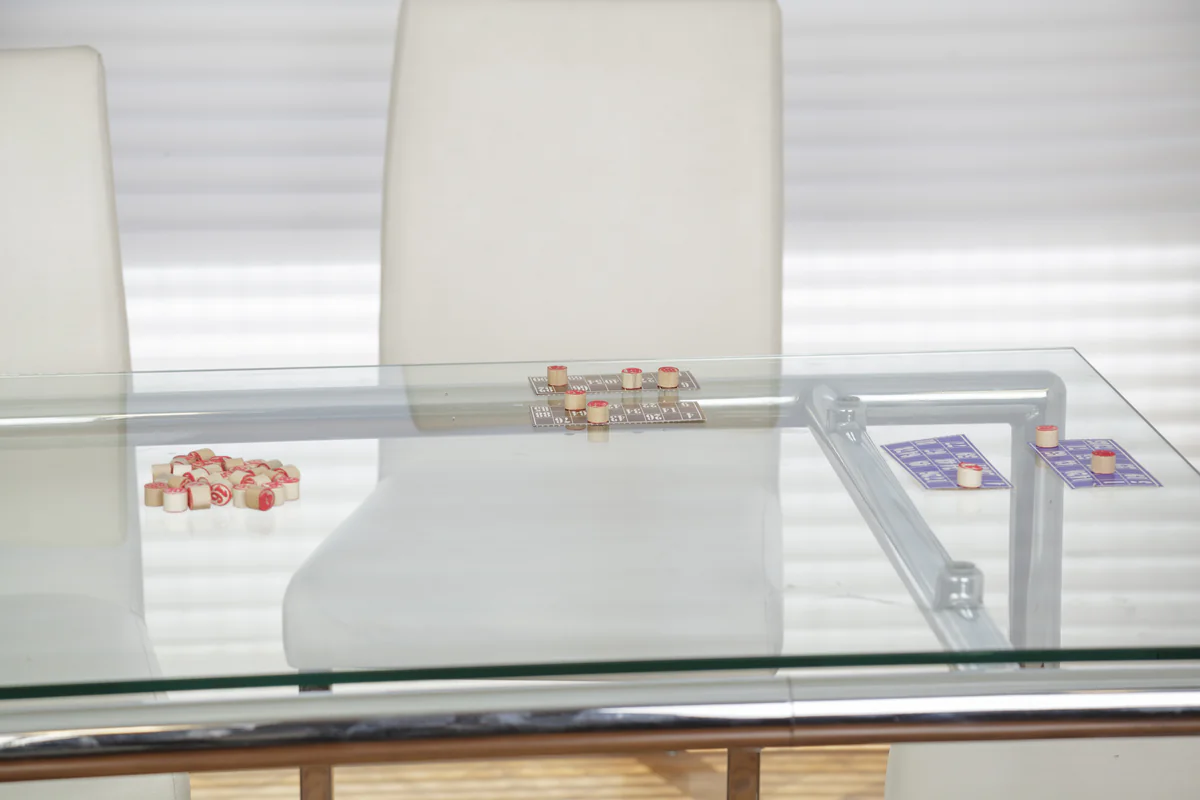
Glass Table Top Installation Islip
It starts with a consultation—either in person or over the phone. You’ll discuss what you’re looking to protect, the size and shape of your table, and what you want the finished result to look like. This is where thickness gets decided. A 1/4″ glass works perfectly if you’re adding a protective cover over an existing wood or marble surface. For dining tables that see heavier use, 3/8″ offers more substance. Large unsupported surfaces or tables with minimal framework benefit from 1/2″ thickness.
Next comes measurement. Precision matters here, so we can come to your Islip home or business to measure directly. You’ll also choose your edge finish—polished for a clean look, beveled for a more decorative feel, or pencil edge for a soft, rounded profile.
Once measurements and specs are confirmed, the glass is custom-cut and tempered for safety. Tempered glass is roughly four to five times stronger than standard glass, and if it ever does break, it shatters into small, dull pieces instead of dangerous shards. That’s critical for tables around kids, pets, or high-traffic areas.
Installation is straightforward. The glass is delivered, positioned carefully on your table, and secured with non-slip pads or bumpers to prevent sliding and protect the surface underneath. The whole process is designed to be efficient, with no damage to your existing furniture and no lingering mess.

Ready to get started?
Durable Glass Table Covers Islip
Every glass table top we create is custom-cut to your exact dimensions. That means it fits your specific table—not a standard size that’s close enough. You choose the thickness based on how the table will be used and what kind of support structure it has. You also select the edge finish that matches your aesthetic, whether that’s a simple polished edge or something more decorative like a beveled or pencil edge.
All glass is tempered for safety and durability. This isn’t optional—it’s standard. Tempered glass handles the kind of impact and temperature changes that come with real-world use, especially for patio tables in Islip’s varying weather conditions. It’s also easier to clean and maintain than wood or fabric, with a non-porous surface that resists stains and wipes down in seconds.
Installation includes protective pads or bumpers placed between the glass and your table to prevent scratching, allow airflow, and keep the glass securely in place without adhesive. This setup protects both the glass and the furniture beneath it, and it makes removal simple if you ever need to clean underneath.
For Islip residents, this also means working with a local Long Island company that understands the specific needs of the area. Coastal humidity, temperature swings, and the wear that comes from active households—all of that gets factored into the recommendations you receive. You’re not getting a one-size-fits-all solution shipped from across the country. You’re getting glass that’s built for how you actually live.
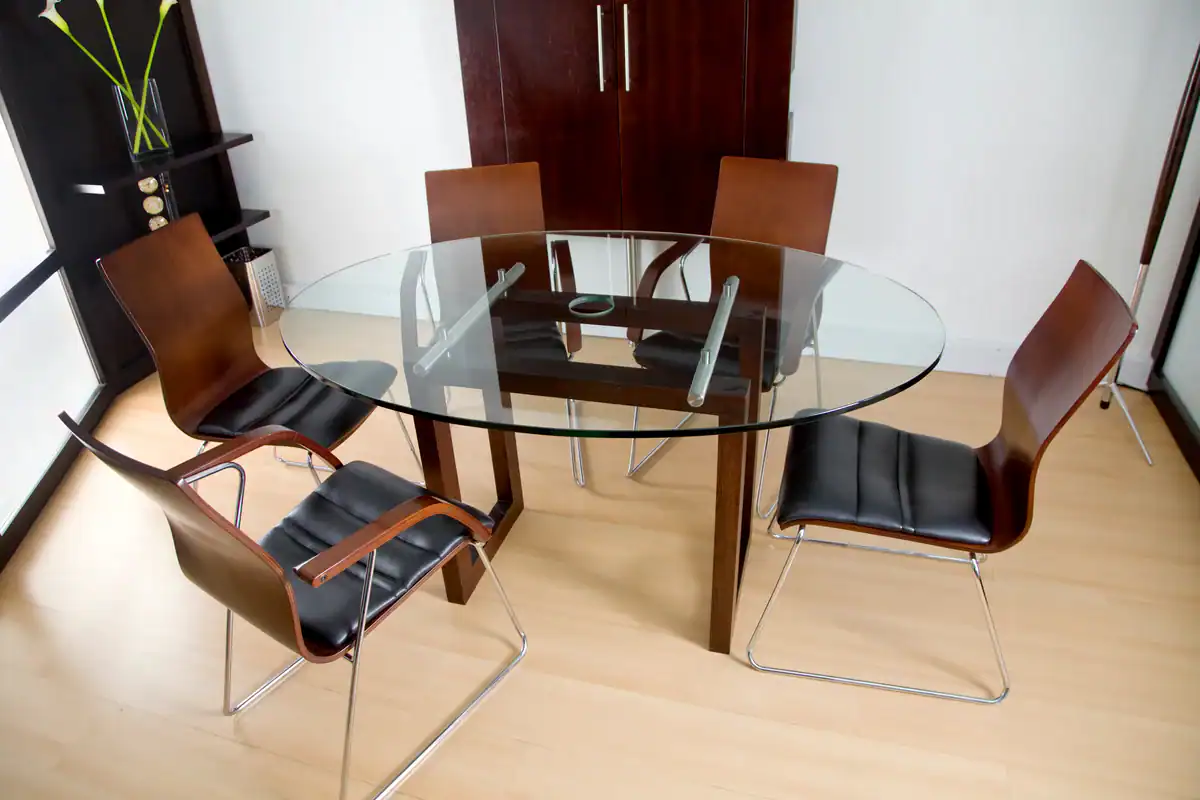
What thickness of glass table top do I need for my dining table?
It depends on how your table is built and how you plan to use the glass. If you’re placing glass on top of an existing wood or marble dining table as a protective cover, 1/4″ tempered glass is usually sufficient. The table itself provides the structural support, so the glass just needs to be thick enough to lie flat without flexing and handle everyday use.
For tables where the glass will serve as the actual surface—like a glass top sitting on a pedestal base or metal frame—you’ll want 3/8″ or 1/2″ thickness. These options provide the structural integrity needed to support plates, serving dishes, and the weight of people leaning on the table during meals. Larger dining tables, especially those over 48 inches, typically perform better with 1/2″ glass to prevent any sagging or instability over time.
We can assess your specific table during the consultation and recommend the right thickness based on size, support structure, and how much daily use the table sees. Getting this right the first time prevents issues down the road and ensures the glass both looks and performs the way it should.
Is tempered glass necessary for a glass table top or can I use regular glass?
Tempered glass is the right choice for table tops, and it’s what we use as standard for every project. Here’s why it matters: tempered glass is heat-treated to be about four to five times stronger than regular annealed glass. That means it’s far more resistant to impact, scratches, and the kind of daily wear that tables endure.
The bigger reason is safety. If regular glass breaks, it shatters into large, sharp, dangerous shards that can cause serious injuries. Tempered glass, on the other hand, breaks into small, dull, pebble-like pieces that are much less likely to cut anyone. This is especially important for dining tables, coffee tables, and patio tables where kids, pets, or guests are nearby.
Tempered glass also handles temperature changes better, which is critical for outdoor patio tables in Islip that experience sun exposure, rain, and seasonal temperature swings. While tempered glass does cost slightly more than regular glass—typically about 12% more—the added strength, safety, and longevity make it worth the investment. You’re not just protecting your furniture; you’re protecting the people who use it.
How much does a custom glass table top cost in Islip?
Cost varies based on size, thickness, edge finish, and whether the glass needs any custom cuts like notches or curves. As a general benchmark, tempered glass averages around $25 per square foot, but that can range from $18 to $30+ depending on thickness and customization. A standard 1/4″ thick rectangular glass top for a dining table might run a few hundred dollars, while a larger 1/2″ thick custom-shaped top with beveled edges will cost more.
Thickness is one of the biggest cost factors. Moving from 1/4″ to 3/8″ or 1/2″ increases both the material cost and the weight, which can also affect handling and installation. Edge finishes add to the price as well—a simple polished edge is the most affordable, while beveled or decorative edges add a premium. Custom shapes, holes for umbrella stands, or intricate cuts also increase the final price.
We provide transparent, upfront pricing with detailed proposals so there are no surprise charges. During the consultation, you’ll get a clear estimate based on your specific table and preferences. That estimate includes the glass itself, tempering, edge finishing, and installation—everything you need to know before committing. The goal is to give you a fair price for quality work, not to upsell you on features you don’t need.
Can I get a glass table top for my outdoor patio table in Islip?
Yes, and tempered glass is especially important for outdoor applications. Patio tables in Islip face sun exposure, rain, humidity, temperature fluctuations, and the occasional wind-blown debris. Tempered glass is built to handle those conditions far better than regular glass, with higher resistance to thermal stress and impact.
For outdoor patio tables, 1/4″ to 3/8″ tempered glass is typically recommended depending on the table size and how much support the base provides. If your patio table has a center support or sturdy frame, 1/4″ works well. For larger tables or those with less support, 3/8″ adds extra stability. Many patio tables also need a hole cut for an umbrella stand, which can be done before the glass is tempered.
The installation for outdoor tables includes the same protective pads or bumpers used indoors, but it’s even more important outside to allow airflow and prevent moisture buildup between the glass and the table surface. This keeps both the glass and the table in better condition over time. We have extensive experience with outdoor glass installations across Long Island and can recommend the right setup for your specific patio table and how you use your outdoor space.
How do I clean and maintain a glass table top?
Glass table tops are one of the easiest surfaces to maintain, which is part of their appeal. For regular cleaning, all you need is a standard glass cleaner and a microfiber cloth. Spray the cleaner on the glass, wipe it down, and you’re done. The non-porous surface doesn’t absorb stains or odors, so spills wipe up easily without leaving marks.
Avoid using harsh chemicals, abrasive scrubbers, or rough sponges, as these can scratch the glass over time. Stick with soft cloths or paper towels. For stubborn spots like dried food or sticky residue, a little warm water and mild dish soap usually does the trick. If you want to minimize streaks, clean the glass in a circular motion and then finish with vertical or horizontal stripes.
To keep your glass looking its best, use coasters under drinks and placemats under plates to prevent direct contact with hot dishes or rough-bottomed items. While tempered glass is heat-resistant, it’s still smart to avoid placing extremely hot pots or pans directly on the surface. The protective pads or bumpers installed under the glass also help—they keep the glass stable and allow air circulation, which prevents moisture buildup and keeps both the glass and the table underneath in better shape. With minimal effort, your glass table top will stay clear and polished for years.
What's the difference between a polished edge and a beveled edge on glass?
The edge finish affects both the look and feel of your glass table top. A polished edge, also called a flat polished edge, is smooth and squared off. It’s clean, simple, and works well with modern or minimalist furniture styles. The edge is ground down and polished to a shiny finish, so it’s safe to touch and visually understated. This is the most common and affordable edge option.
A beveled edge has an angled cut along the perimeter of the glass, typically sloping from about 1/2 inch to 1-1/2 inches. This creates a decorative, prismatic effect that catches light and adds a more formal or elegant look. Beveled edges work particularly well on dining tables, conference tables, or any piece where you want the glass to be a design feature rather than just a functional cover. The downside is that beveled edges cost more due to the extra labor and precision required.
There’s also a pencil edge, which is rounded rather than squared or angled. It has a softer, more organic feel and is a good middle ground between polished and beveled. The choice really comes down to your aesthetic preference and budget. During the consultation, we can show you examples of each edge style and help you decide which one complements your table and your space best.
Other Services we provide in Islip