
Glass Table Tops in West Sayville, NY
Protect Your Tables Without Hiding Their Beauty

Hear from Our Customers
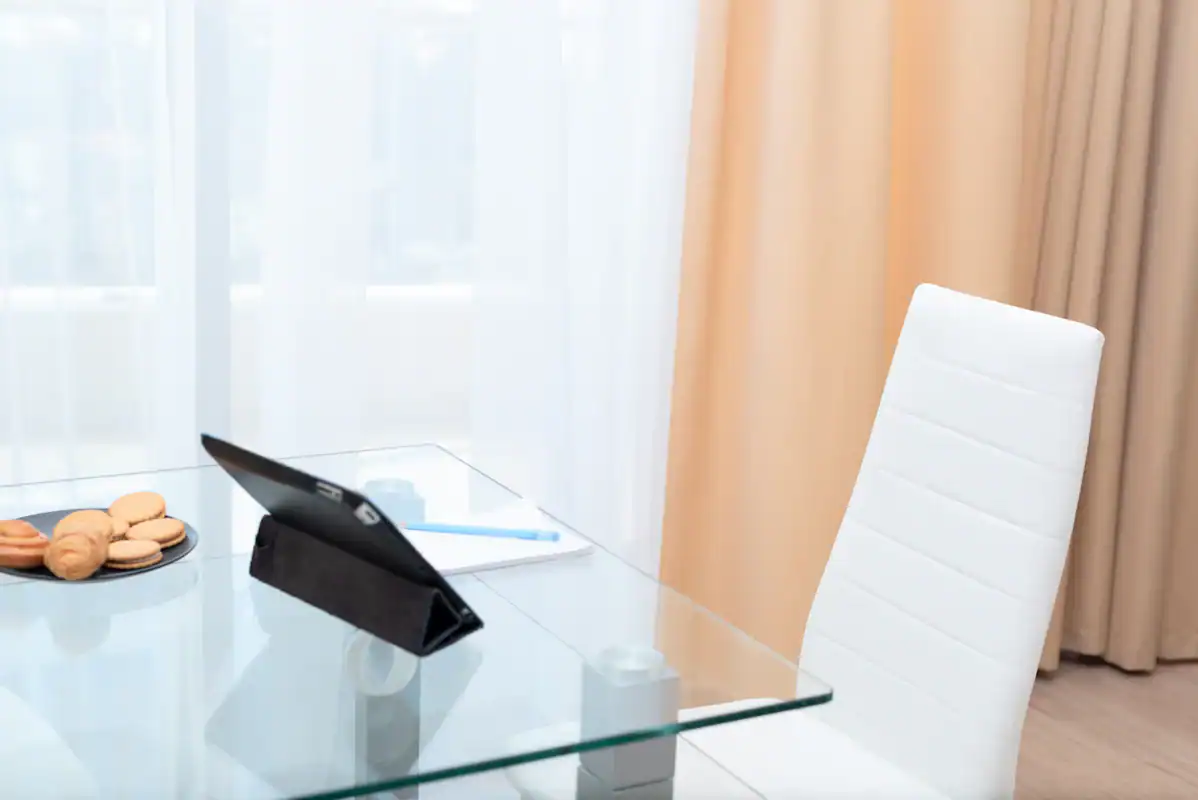
Custom Glass Table Tops West Sayville
You stop worrying about water rings on your grandmother’s dining table. No more coasters everywhere, no more panic when someone sets down a hot dish, no more watching scratches accumulate from everyday use.
A custom glass table top means your furniture stays protected while still looking exactly like itself. The wood grain shows through. The carved details remain visible. But now there’s a barrier between daily life and permanent damage.
Tempered glass gives you the safety piece too. If something does go wrong—and it rarely does—the glass breaks into small, dull pieces instead of dangerous shards. That matters when you’ve got kids running around or you’re hosting dinner parties where accidents happen.
Your table becomes easier to clean. Spills wipe up in seconds. Dust doesn’t settle into wood grain. And because the glass is custom-cut to your exact measurements, it fits like it was always meant to be there.
Glass Services West Sayville NY
We’ve been fabricating and installing custom glass throughout Long Island for over twenty years. That’s two decades of understanding how coastal humidity affects materials, how older homes in West Sayville need specific solutions, and how to measure once and get it right.
We hold Better Business Bureau certification and active membership in both the Long Island Builders Institute and the National Kitchen and Bath Association. We’ve worked on some of the Hamptons’ finest homes and earned the trust of top contractors who won’t settle for anything less than precise craftsmanship.
West Sayville homeowners appreciate that we treat every project—whether it’s a single coffee table top or a complete home renovation—with the same attention to detail. We offer transparent proposals, clear communication throughout the process, and meaningful discounts for military members, veterans, and first responders.
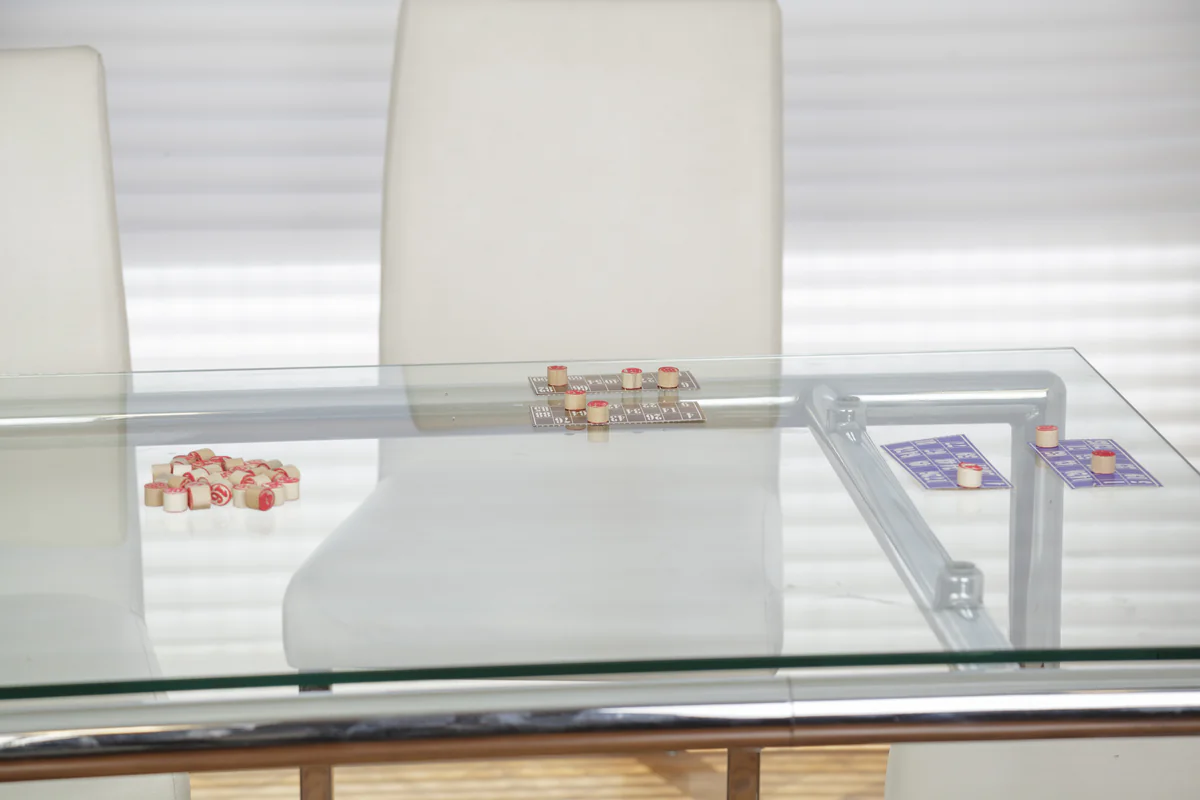
Custom Glass Table Top Installation Process
It starts with a consultation. You explain what you’re protecting—maybe it’s a vintage wood dining table, maybe it’s a modern desk, maybe it’s an outdoor patio table that takes a beating from the elements. We ask about how you use the space, what concerns you have, and what you’re hoping to accomplish.
Then comes precise measurement. This isn’t a tape-measure-and-hope situation. We take exact dimensions, account for any irregularities in your table’s shape, and discuss thickness options based on whether the glass will sit on top of an existing surface or serve as the actual table top.
Fabrication happens in-house with professional cutting equipment. You’ll choose your edge finish—polished for a clean look, beveled for elegance, or flat for simplicity. For most residential applications, we recommend tempered glass because it’s four to five times stronger than regular glass and shatters safely if broken.
Installation is straightforward. The glass arrives cut to exact specifications, edges finished and polished. We position it carefully, check for fit, and secure it if needed. The whole process is designed to be efficient without rushing, thorough without dragging on.

Ready to get started?
Durable Glass Table Covers Long Island
Our custom glass table tops include professional consultation to determine the right thickness for your specific application. Quarter-inch glass works for protective covers over existing tables. Three-eighths-inch provides more substantial support. Half-inch glass serves as a standalone table surface for larger pieces or heavy-use areas.
Tempered glass is standard for safety and durability. The tempering process makes the glass significantly stronger and ensures it breaks into small, blunt pieces rather than dangerous shards—critical for dining tables where kids might be running around or coffee tables in high-traffic living rooms.
Edge finishing options let you match the glass to your aesthetic. Polished edges create a smooth, refined look. Beveled edges add an angled, elegant detail. The choice depends on your style and whether you want the glass to blend in or make a subtle statement.
In West Sayville’s coastal environment, durability matters. The humid climate near the Great South Bay means materials need to withstand moisture and temperature changes. Tempered glass handles these conditions without warping, cracking, or deteriorating over time. It’s also heat-resistant, so hot dishes won’t cause thermal shock damage.
Installation includes careful placement and verification that everything fits exactly as planned. For tables with unique shapes or antique furniture with irregular dimensions, this precision makes the difference between a glass top that looks custom-made and one that looks like an afterthought.
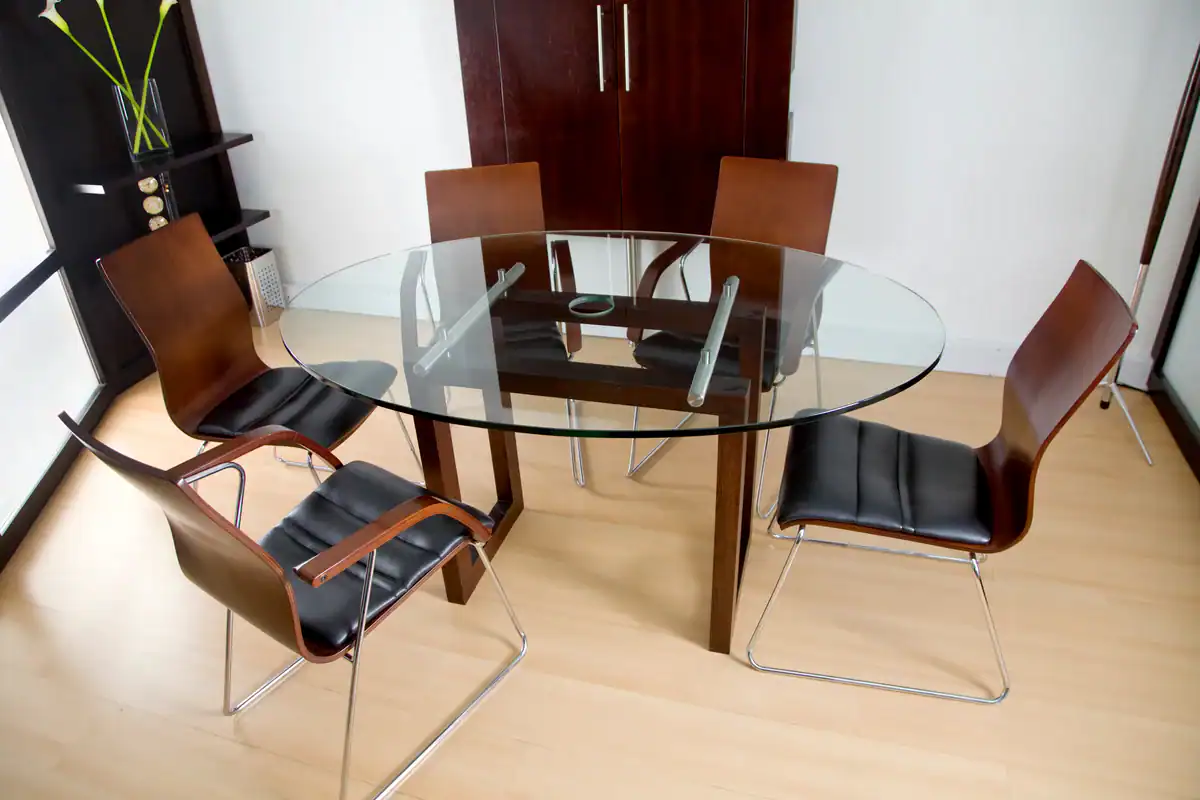
What thickness of glass do I need for my dining table?
It depends on whether the glass sits on top of an existing table or serves as the actual table surface. For a protective cover over your current dining table, quarter-inch tempered glass provides adequate protection against scratches, water rings, and everyday wear. The existing table supports the weight, so the glass just needs to be thick enough to lie flat without flexing.
If the glass is the actual table top—sitting on a pedestal base or framework—you’ll want three-eighths-inch or half-inch thickness. Thicker glass can support the weight of dishes, serving platters, and elbows leaning on the table without bending or cracking. For dining tables larger than 48 inches or tables that regularly hold heavy items, half-inch tempered glass is the standard recommendation.
Tempered glass is important for dining tables regardless of thickness. It’s four to five times stronger than regular glass and breaks into small, dull pieces instead of dangerous shards if something goes wrong. That safety factor matters when you’re gathering family and friends around the table.
Should I get tempered glass for my coffee table top?
Yes, tempered glass makes sense for coffee tables, especially if you have children or pets. Coffee tables sit in high-traffic areas where people walk past them constantly, kids might bump into them, or objects could accidentally hit the surface. Tempered glass is significantly stronger than regular annealed glass and shatters safely if broken.
The tempering process heats the glass to extreme temperatures and then rapidly cools it, changing the internal structure to make it more durable. This treatment also makes the glass more resistant to thermal shock, so you can set a hot coffee mug down without worrying about cracks forming from the temperature change.
For most coffee tables, quarter-inch to three-eighths-inch tempered glass provides the right balance of strength and weight. If your coffee table has full support underneath—meaning the glass rests on a solid wood or metal surface—quarter-inch works well. If the glass spans across a frame with less support, three-eighths-inch offers better stability and reduces the risk of flexing when weight is placed on it.
Can glass table tops withstand Long Island's humid climate?
Tempered glass handles humidity, temperature fluctuations, and coastal conditions without issues. Unlike wood that can warp or metal that might rust, glass is non-porous and doesn’t absorb moisture from the air. That makes it ideal for homes in West Sayville where proximity to the Great South Bay means dealing with higher humidity levels year-round.
The key is proper installation with appropriate support. Glass needs to sit on supports that allow for slight movement as temperature and humidity cause the underlying table base to expand or contract—especially if that base is wood. Proper installation prevents binding that could stress the glass over time.
Outdoor applications need extra consideration. If you’re putting glass on a patio table that’s exposed to direct sun, rain, and temperature swings, tempered glass is essential. The tempering process makes the glass resistant to thermal shock, so it won’t crack when hot sun hits it or when cold rain falls on a warm surface. Many homeowners in the area use glass table tops on covered porches or outdoor dining areas without problems, as long as the glass is properly supported and the edges aren’t exposed to direct impact.
How do I clean and maintain a glass table top?
Glass table tops are one of the easiest surfaces to maintain. For daily cleaning, a simple spray of glass cleaner and a microfiber cloth removes fingerprints, smudges, and light dust. The non-porous surface means spills don’t soak in—they just sit on top until you wipe them away.
For tougher cleaning, a mixture of water and white vinegar works well without leaving streaks. Avoid abrasive cleaners or rough scrubbing pads that could scratch the surface over time. Even though tempered glass is durable and scratch-resistant, it’s not scratch-proof. Using soft cloths and non-abrasive cleaners keeps the glass looking clear and polished for years.
If you want to minimize visible fingerprints and smudges, consider using placemats or coasters in high-touch areas. This is especially helpful for coffee tables where people tend to lean or rest their hands. For dining tables, placemats also protect against scratches from dishes and utensils being set down, even though the glass itself is quite durable. The goal is to make maintenance as effortless as possible so your table always looks clean without constant attention.
What edge finish should I choose for my glass table top?
The edge finish affects both appearance and safety. Polished edges are the most common choice—they’re smooth, rounded slightly, and have a clean, refined look that works with any décor style. The polishing process removes sharp edges and creates a comfortable surface if your hand brushes against it.
Beveled edges add an angled detail around the perimeter of the glass, creating an elegant, more formal appearance. The bevel catches light differently than flat glass, adding subtle visual interest. Beveled edges work particularly well on dining tables or furniture pieces where you want the glass to be a design element rather than just a protective layer.
Flat polished edges offer a more contemporary, minimalist look. The edge is ground flat and polished smooth, creating clean lines without the roundness of a standard polish or the angle of a bevel. This works well for modern furniture or situations where you want the glass to blend seamlessly with the table base. The choice ultimately comes down to your aesthetic preference and how prominent you want the glass edge to be. All three options are safe and durable when properly finished.
How much does a custom glass table top cost in West Sayville?
Cost depends on size, thickness, edge finish, and whether you’re choosing tempered or annealed glass. A small coffee table top in quarter-inch tempered glass with polished edges typically costs less than a large dining table in half-inch tempered glass with beveled edges. Custom shapes, cutouts for table legs, or unusual dimensions also affect pricing since they require more precise fabrication work.
Tempered glass costs more than annealed glass because of the additional manufacturing process, but the safety and durability benefits usually justify the difference—especially for dining tables, coffee tables, or any surface where breakage could cause injury. The tempering process makes the glass four to five times stronger and ensures it shatters safely if damaged.
The best approach is to get an accurate quote based on your specific table measurements and requirements. We provide transparent proposals that break down exactly what you’re paying for—materials, fabrication, edge finishing, and installation. There’s no guessing about hidden costs or surprise fees. You’ll know the total investment upfront, which makes it easier to decide whether custom glass fits your budget and makes sense for protecting your furniture. Many homeowners find that the cost is reasonable when compared to replacing damaged furniture or living with scratched, stained table surfaces.
Other Services we provide in West Sayville