
Glass Table Tops in Westbury, NY
Protect Your Tables. Elevate Your Space.

Hear from Our Customers
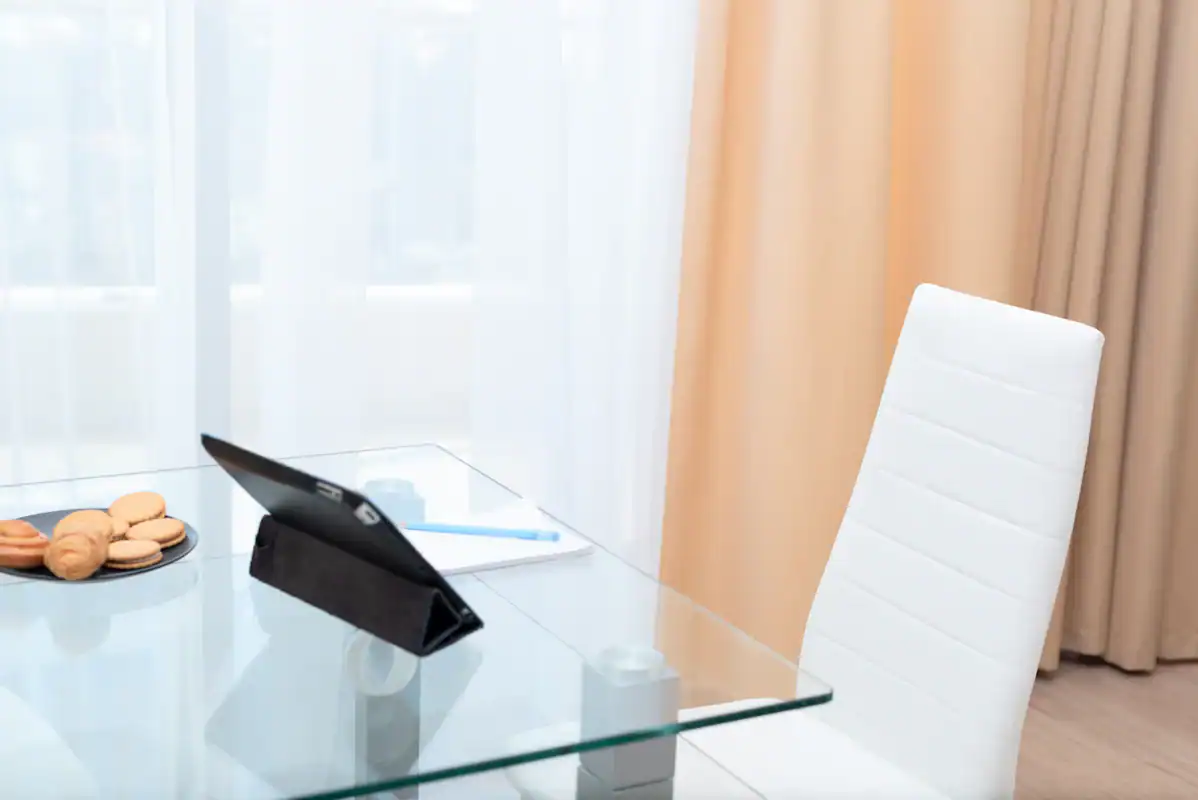
Custom Glass Table Tops Westbury
Your table doesn’t have to show every scratch, water ring, or scuff from years of use. A custom glass table top gives you a clean, protective surface that actually makes your space feel bigger and brighter.
You’re not covering up damage—you’re preventing it. Whether it’s an antique dining table you want to preserve or a modern desk that needs a sleek finish, glass does the job without changing what’s underneath.
And if you’ve been putting off the project because you’re worried about fit or installation, that’s where we come in. We measure, we cut to your exact specs, and we make sure it’s done right the first time. No second-guessing. No returns. Just a table top that works.
Glass Services Westbury NY
OMG Shower Doors has been serving Westbury and the surrounding Long Island communities for over 20 years. While we’re known for high-end shower doors and glass enclosures, we also bring that same level of craftsmanship to custom glass table tops.
We’re certified by the Better Business Bureau, active members of the Long Island Builders Institute and the National Kitchen and Bath Association, and trusted by homeowners from Garden City to the Hamptons. Every project gets the same transparent pricing, detailed communication, and professional installation—whether it’s a frameless shower or a custom dining table cover.
If you’re in Westbury, you’re working with a local team that knows the area, understands what Long Island homeowners expect, and delivers without the runaround. We also offer discounts for military members, veterans, and first responders, because some things matter more than the bottom line.
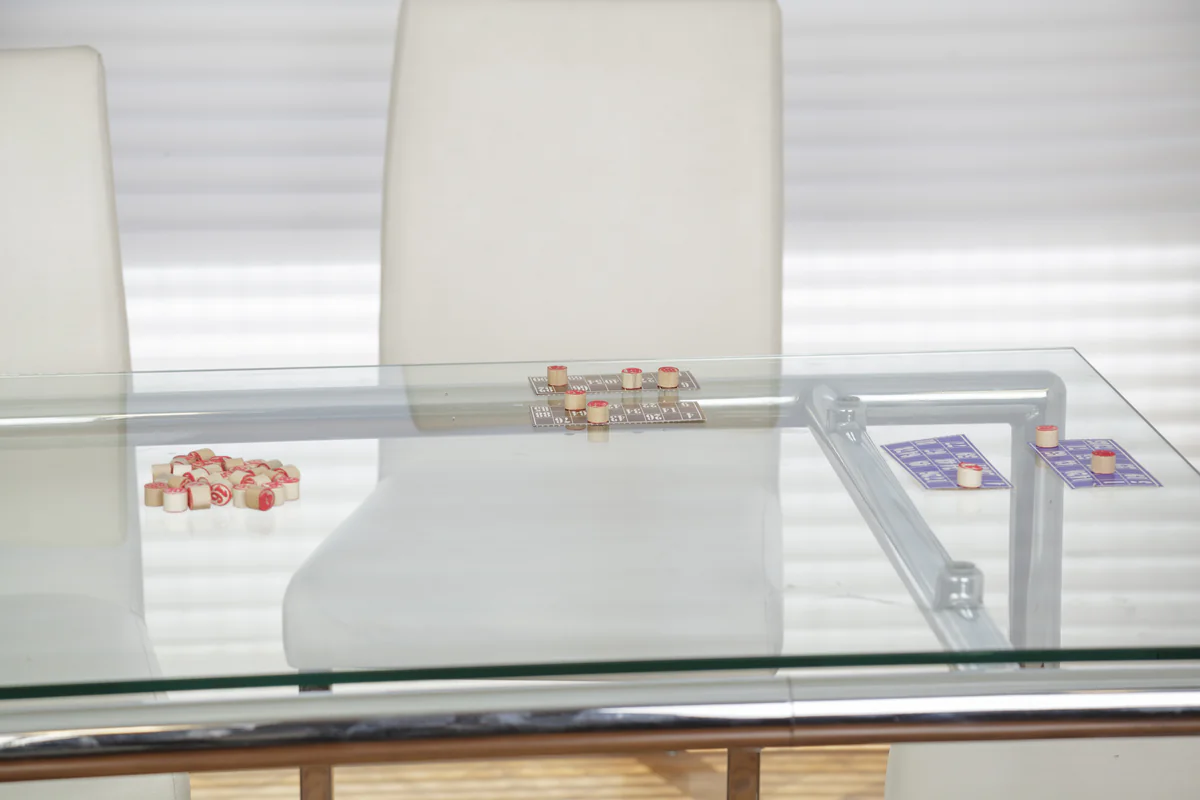
Glass Table Top Installation Process
First, you reach out. Whether you know exactly what you need or you’re still figuring it out, we walk you through the options: thickness, edge style, tempered or standard glass, and how it’ll be secured to your table base.
Then comes measurement. If you’re confident with a tape measure, you can provide dimensions. If not, we’ll come to you and take exact measurements on-site. This step matters more than people think—especially for tables with curves, irregular shapes, or older furniture that’s settled over time.
Once measurements are confirmed, the glass is fabricated. It’s cut to size, edges are finished (polished, beveled, or pencil-edge depending on what you chose), and if you opted for tempered glass, it goes through a heat-treatment process that makes it four to five times stronger than standard glass.
Installation wraps it up. Depending on your table base—wood, metal, pedestal—the glass is secured using the right method. That might be rubber bumpers, adhesive, or a table base adapter. The goal is a stable, safe fit that doesn’t shift or slide. You’re left with a finished surface that’s ready to use the same day.

Ready to get started?
Durable Glass Table Covers Westbury
Every glass table top project starts with a consultation. You’re not handed a one-size-fits-all solution. We discuss your table type, how you use it, and what kind of wear it sees. That determines thickness (usually 1/4″ for protective covers, 3/8″ to 1/2″ for standalone surfaces), whether tempered glass makes sense, and what edge finish works best.
In Westbury and across Nassau County, homeowners are protecting everything from heirloom dining tables to modern glass-and-metal desks. Patio tables get upgraded with tempered glass that includes umbrella holes. Coffee tables get beveled edges for a softer look. Antique wood pieces get clear covers that let the grain show through while blocking scratches and moisture.
You also get options most people don’t think about: tinted glass for glare reduction, frosted finishes for privacy or style, and custom shapes that fit tables with unusual dimensions. If your table isn’t a perfect rectangle, that’s not a problem. The glass is fabricated to match.
Durability matters here on Long Island, where furniture takes a beating from humidity, kids, pets, and constant use. Tempered glass resists heat from hot dishes, won’t crack from temperature changes, and if it ever does break, it crumbles into dull pieces instead of sharp shards—a safety feature that makes sense for busy Westbury households.
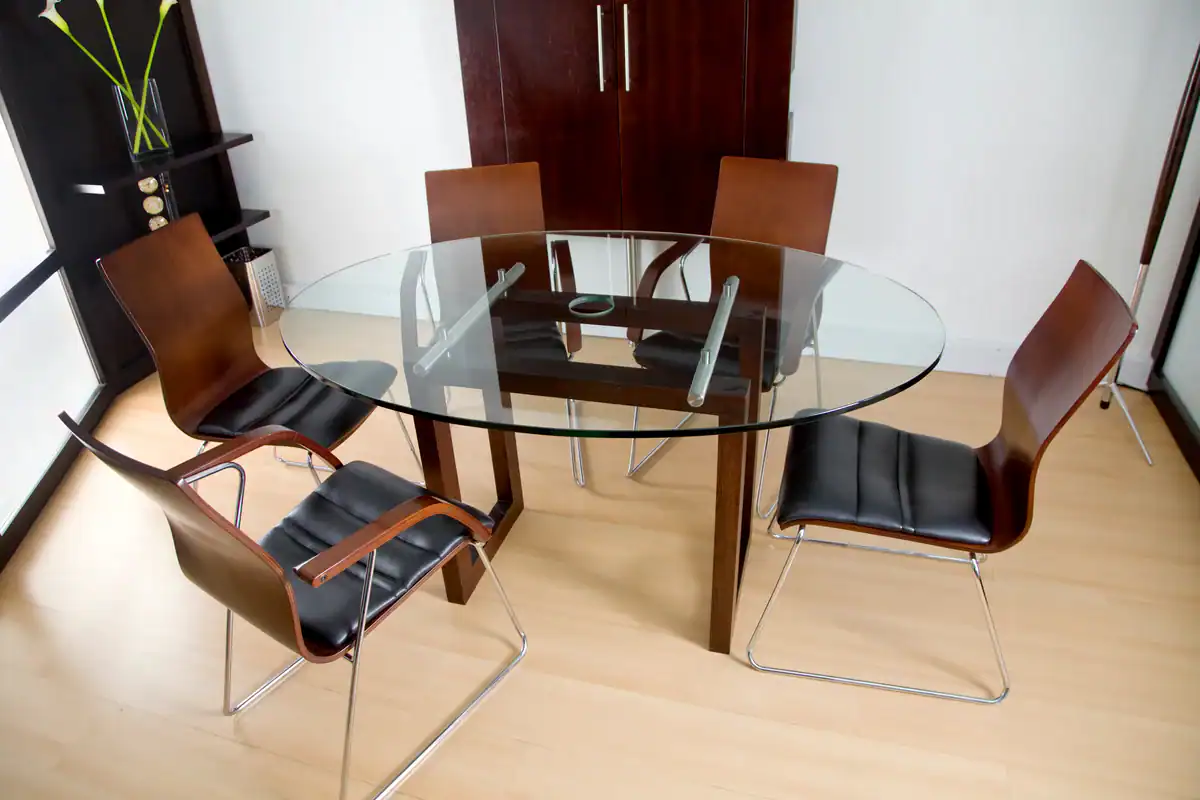
Should I choose tempered glass or regular glass for my table top?
It depends on thickness and how the glass will be used. If your glass is 3/8 inch thick or less, tempering is a smart move. Tempered glass is heat-treated to be four to five times stronger than standard glass, and it handles impacts better. More importantly, if it ever breaks, it shatters into small, dull cubes instead of sharp shards—a big deal if you have kids or pets.
For thicker glass (half-inch or more), tempering isn’t always necessary because the glass is already strong enough to handle normal use. But many people still choose it for the added peace of mind, especially on dining tables or surfaces that see a lot of activity.
If the glass is going over an existing table as a protective cover, standard glass usually works fine. If it’s the actual table surface—sitting on a pedestal or frame with no support underneath—tempered is the better choice. When in doubt, go tempered. It’s not much more expensive, and it’s worth it for the safety factor alone.
What thickness do I need for a dining table or coffee table?
For a protective glass cover that sits on top of an existing table, 1/4 inch is usually enough. It’s thick enough to stay flat and protect the surface underneath without adding too much weight.
If the glass is the actual table top—meaning it’s sitting on legs, a pedestal, or a frame and supporting weight on its own—you want at least 3/8 inch, and 1/2 inch is better. Thicker glass is more stable, less likely to flex, and can handle heavier dishes, serving platters, and everyday use without any issues.
For large dining tables or conference tables, especially if they’re over six feet long, 1/2 inch to 3/4 inch is the standard. The extra thickness gives you the strength and rigidity you need for a surface that’s going to see consistent use. Coffee tables usually sit somewhere in the middle—3/8 inch works for most, but if it’s a large table or you want that substantial feel, 1/2 inch is worth considering.
How do you secure the glass so it doesn't slide around?
There are a few ways to do it, and the right method depends on your table base. For wooden tables, clear rubber bumpers or silicone adhesive dots work well. The bumpers stick to the underside of the glass and sit on the table surface, creating friction that keeps everything in place. They’re invisible from above and they do the job without any permanent attachment.
For metal or pedestal bases, a table base adapter is often the best option. It’s a metal disk that gets glued to the underside of the glass with a strong epoxy, then bolted to the base. It’s secure, stable, and you don’t see it when you’re looking down at the table.
If you’re placing glass over an existing framed table, sometimes the glass just sits inside the frame, and gravity does the rest. But even then, small bumpers at the corners add extra security and prevent the glass from shifting if someone leans on an edge. The goal is always the same: a surface that stays put, doesn’t rattle, and feels solid when you use it.
Can you cut glass to fit a table with curved edges or an unusual shape?
Yes. Custom fabrication means the glass can be cut to match just about any shape—round, oval, racetrack, irregular curves, or tables with cutouts. If your table isn’t a standard rectangle, that’s not a problem. It just means measurements need to be more precise.
The process usually involves creating a template. You can trace the shape onto cardboard or paper and provide that as a guide, or we can come out and take measurements directly from the table. For curved edges, it’s often easier to have us measure on-site to make sure the fit is exact.
Once the shape is confirmed, the glass is cut using specialized equipment that handles curves and angles. Edges are polished smooth, and if you want a beveled edge or rounded corners, that’s done during fabrication too. The result is a piece of glass that fits your table perfectly, even if your table is one-of-a-kind.
How do I clean and maintain a glass table top?
Glass is one of the easiest surfaces to maintain, which is part of the appeal. For daily cleaning, a microfiber cloth and a standard glass cleaner work fine. Spray the cleaner on the cloth—not directly on the glass—then wipe in circular motions. That prevents streaking and keeps the surface clear.
For tougher spots like dried food or sticky residue, a mix of white vinegar and water does the trick. Avoid abrasive cleaners or rough sponges, which can leave micro-scratches over time. And if you have hard water, wipe up spills quickly to prevent mineral deposits from forming.
To protect the glass, use coasters under drinks and placemats under dishes. Felt pads on the bottom of decorative items prevent scratches if you move things around. Tempered glass is scratch-resistant, but it’s not scratch-proof, so a little prevention goes a long way. Beyond that, glass doesn’t absorb stains, doesn’t hold odors, and doesn’t need polishing or sealing like wood. It stays clear, clean, and ready to use with almost no effort.
What's the difference between a beveled edge and a polished edge?
A polished edge is smooth and shiny, but it’s flat. The edge of the glass is ground down and buffed until it’s safe to touch and looks finished, but there’s no angle or slope to it. It’s clean, simple, and works well for modern or minimalist tables.
A beveled edge has an angled cut along the perimeter—usually about half an inch to an inch wide—that slopes from the top surface down to the edge. It catches light and creates a subtle decorative effect that adds a bit of elegance. Beveled edges are popular on dining tables and coffee tables where you want a more polished, upscale look.
Both options are safe and smooth, so it really comes down to style. If you want the glass to blend in and stay understated, go with a flat polished edge. If you want it to stand out a little and add some visual interest, a beveled edge is the way to go. There’s also a pencil edge, which is rounded instead of flat or angled—it’s softer to the touch and works well for tables in homes with young kids.
Other Services we provide in Westbury