Glass Table Tops in Woodmere, NY
Furniture Protection That Actually Fits

Hear from Our Customers
Custom Glass Table Tops Woodmere
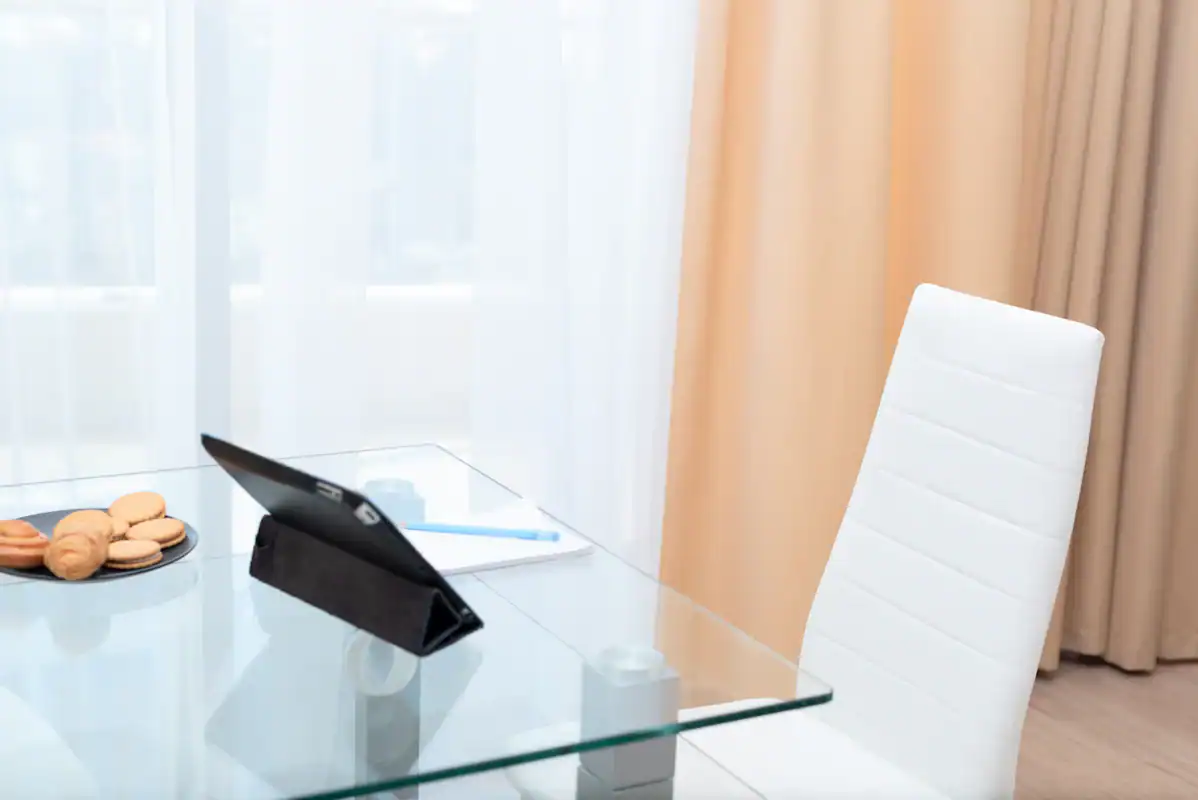
You’ve got a table worth protecting. Maybe it’s an heirloom piece your kids do homework on. Maybe it’s that wood dining table that cost more than you’d like to admit. Either way, you’re tired of coasters that don’t get used and placemats that shift around.
A custom glass table top does what those other solutions can’t. It takes the daily beating—the coffee mugs, the homework sessions, the dinner parties—and your actual table stays untouched underneath. No more water rings. No more scratches from keys or laptops. No more wondering if that spill is going to leave a mark.
And it’s not just about protection. The right glass brings out the grain in wood furniture you forgot was there. It adds a clean, finished look that makes the whole room feel more intentional. These high-quality glass products let you keep using your table the way you actually live, without the constant worry about damaging it.
Glass Services Woodmere NY
We’ve been fabricating custom glass solutions across Long Island for over 20 years. That’s two decades of precise measurements, clean cuts, and installations that don’t damage what’s already there. We serve Woodmere and the surrounding communities with the same attention to detail that’s earned us trust from the Hamptons’ finest homes and Long Island’s top contractors.
This isn’t a side service tacked onto something else. Custom glass table tops require the same level of craftsmanship as any other glass work—maybe more, since you’re looking at it every single day. We understand that Woodmere homeowners expect quality that matches their investment in their homes. Clear proposals, transparent pricing, and communication that actually answers your questions before you have to ask twice.
We’re certified with the Better Business Bureau and active members of the Long Island Builders Institute and National Kitchen and Bath Association. Military, veterans, and first responders receive meaningful discounts because some things matter beyond the bottom line.
Glass Table Top Installation Process
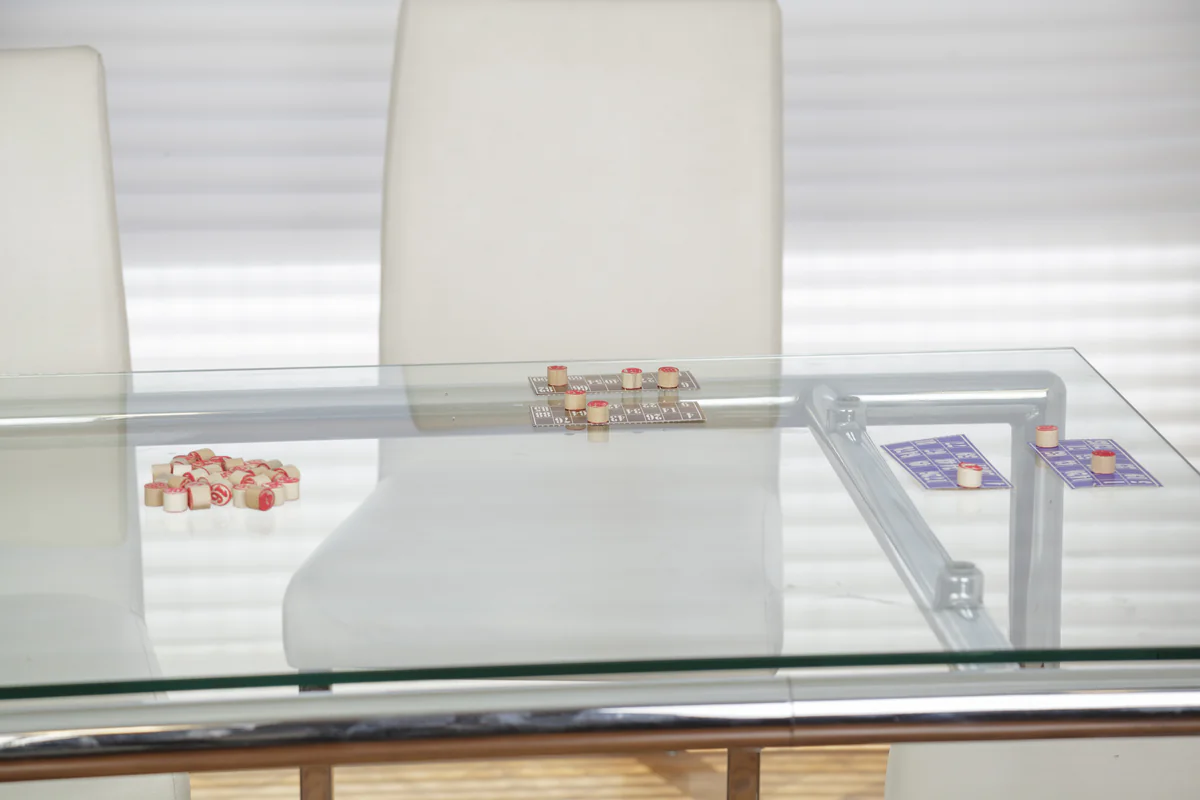
It starts with getting the measurements right. You can measure yourself if you’re confident, or we can come to your Woodmere home to handle it. Either way, the goal is the same: a piece of glass that fits your table exactly, not almost. We’ll discuss thickness based on your table size and how you use it—a coffee table that holds magazines needs different glass than a dining table that seats eight for holiday dinners.
Next comes selecting your edge finish. Polished edges give you that clean, modern look. Beveled edges add a touch of elegance and catch light beautifully. Pencil edges offer a softer, rounded finish. Seamed edges work when the glass sits in a frame. This isn’t about upselling you on the most expensive option. It’s about what actually makes sense for your table and your home.
The glass gets fabricated to your specs using professional-grade equipment. Custom cut, edges finished, quality checked before it leaves the shop. When it’s ready, installation is scheduled at your convenience. We bring the glass in carefully, place it properly, and make sure everything sits exactly as it should. Your furniture stays protected throughout the entire process. You’re left with a table that looks better and the peace of mind that it’s actually protected.
The whole process is designed around accuracy and clear communication. No surprises on sizing, no hidden fees showing up at the end, no damage to furniture you’ve had for years. That’s how glass services should work.

Ready to get started?
Durable Glass Table Covers Woodmere
Every custom glass table top starts with tempered glass—the kind that’s four to five times stronger than standard glass and shatters into dull pieces instead of dangerous shards if something ever goes wrong. This matters when you have kids, pets, or just want to sleep better knowing your table setup is as safe as it is functional.
Thickness options range from 1/4 inch up to 3/4 inch, and the right choice depends entirely on your table. Smaller tables and protective covers over existing surfaces work fine with 1/4 inch. Standard dining tables and coffee tables typically call for 3/8 inch. Larger tables or those supporting heavier use need 1/2 inch or thicker. The recommendation isn’t arbitrary—it’s based on physics and two decades of experience with what actually holds up in Long Island homes.
Edge finishing is included, not extra. You choose the style that fits your aesthetic, and we get it done right. Custom shapes beyond standard rectangles and circles are absolutely possible. Unusual table dimensions, unique corner treatments, curved edges—if you can measure it, we can fabricate it.
In Woodmere, where home interiors lean toward quality and attention to detail, the glass you choose should match that standard. This means precise cuts, clean edges, and installation that respects both the glass and the furniture underneath. You’re not just getting a piece of glass cut to size. You’re getting a custom solution built specifically for your table, your home, and how you actually use your space. These high-quality glass products reflect the level of craftsmanship Long Island homeowners have come to expect.
What thickness glass do I need for my dining table?
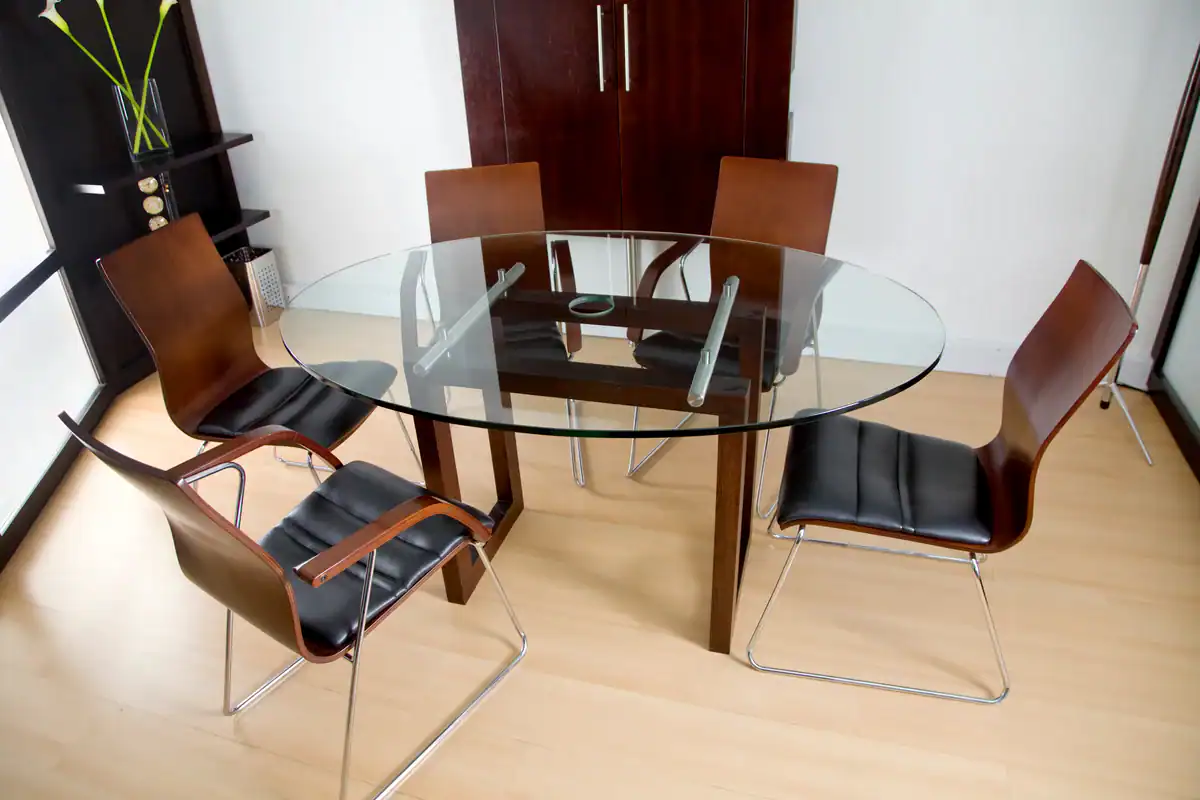
For most dining tables, 3/8 inch or 1/2 inch tempered glass is the right call. The decision comes down to table size and usage. If your table is under 48 inches and sees regular family dinners, 3/8 inch provides solid durability without unnecessary weight. Tables larger than 48 inches, or those that regularly support heavy serving dishes and multiple place settings, perform better with 1/2 inch glass.
Thicker isn’t always better—it’s about matching the glass to the actual demands you’re placing on it. A six-person table that hosts weekly dinners needs more substantial glass than a small breakfast nook table. The 1/2 inch option also gives you that substantial feel that looks right on larger, more formal dining tables common in Woodmere homes.
If you’re just adding a protective cover over an existing glass or wood surface that won’t bear much weight directly, 1/4 inch tempered glass works fine and costs less. The key is being honest about how you use the table. We tailor the recommendation to your specific situation, not a one-size-fits-all answer. Think about whether you’re setting down heavy platters, whether kids do projects on this table, whether it’s purely decorative or sees daily use.
How do I measure my table for a custom glass top?
For rectangular or square tables, measure the length and width at the widest points. For round tables, measure the diameter straight across the center. For oval tables, measure both the longest length and the widest width. Write these measurements down and double-check them—measure twice, order once actually applies here.
If your table has rounded corners, you’ll need to trace one corner on paper or cardboard and note which corner it is. All corners might not be identical, especially on older or antique furniture pieces. For irregular shapes, creating a template using cardboard or craft paper gives you the most accurate result. Trace the exact shape, label it clearly with dimensions, and that becomes your pattern.
Here’s the thing—if you’re not confident in your measurements, don’t guess. Professional measurement services exist specifically to eliminate this risk. We can come to your home, measure correctly the first time, and you avoid the headache of ordering glass that doesn’t fit. That peace of mind is worth it, especially on larger or more expensive pieces. A mismeasurement on a custom glass top means starting over and paying again. When you’re investing in custom glass table tops, accuracy matters more than speed.
What's the difference between tempered and regular glass for table tops?
Tempered glass is heat-treated to be four to five times stronger than regular annealed glass. It resists scratches better, handles temperature changes without cracking, and holds up to the daily abuse tables actually take. But the real difference shows up if the glass ever breaks.
Regular glass shatters into large, sharp, dangerous shards that can cause serious injuries. Tempered glass breaks into small, relatively harmless pebbles with dull edges. If you have kids who climb on furniture, pets that jump up, or you just want to eliminate the risk of a serious injury from broken glass, tempered is the only choice that makes sense for durable glass table covers.
There’s also a practical durability factor. Tables take impacts—dropped phones, heavy serving dishes set down hard, laptops sliding across the surface. Tempered glass handles this daily reality better. It’s not indestructible, but it’s substantially more resilient. The cost difference is minimal compared to the safety and longevity benefits. For table tops, especially in homes with active families, tempered glass isn’t really optional—it’s just the smart choice that protects both people and furniture.
Can you match glass to an unusual table shape or size?
Yes. Custom glass fabrication means exactly that—cut to whatever shape and size your table requires. Unusual dimensions, non-standard shapes, tables with cutouts or notches, curved edges, asymmetrical designs—all of it can be fabricated as long as accurate measurements or templates are provided.
The process is the same whether it’s a standard rectangle or a complex custom shape. The measurements just need to be precise. For truly unusual shapes, creating a physical template using cardboard or craft paper ensures accuracy. That template gets used to cut the glass exactly to your table’s footprint. No guessing, no trying to make something standard work when it clearly won’t.
Long Island homes, particularly in areas like Woodmere, often feature custom furniture or antique pieces with dimensions that don’t match anything standard. That’s not a problem—it’s actually where custom glass work shows its value. You’re not trying to make a standard size work or settling for something close enough. You’re getting glass fabricated specifically for your piece of furniture, whatever shape that happens to be. The craftsmanship is in making it fit perfectly, not in convincing you to accept something that almost works. Custom glass table tops mean custom—period.
What edge style should I choose for my glass table top?
The edge style depends on how the glass will be used and the look you want. Polished flat edges give you a clean, modern appearance with a smooth, shiny finish—good for contemporary spaces where the glass edge is visible and you want that minimalist aesthetic. Pencil edges have a slightly rounded profile that’s softer to the touch, working well for tables where people might brush against the edge regularly, like kitchen tables or desks.
Beveled edges create an angled slope that catches and reflects light, adding an elegant detail that works particularly well on formal dining tables. The bevel can range from 1/2 inch to 1-1/2 inches depending on glass thickness and personal preference. It’s a more traditional, upscale look that complements classic furniture styles. Seamed edges are lightly sanded for safety but not polished—these work when the glass sits in a frame or recess where the edge isn’t visible.
For most dining and coffee tables where the edge is exposed, polished or beveled edges are the way to go. They look finished and intentional. For protective covers that sit on top of existing surfaces, a pencil edge offers good safety and a softer look. There’s no wrong choice here—it’s about what matches your table style and how the glass will actually be used. We can tailor the recommendation once we understand the specific application. Think about your room’s overall design and how formal or casual you want the finished piece to feel.
How much does a custom glass table top cost in Woodmere?
Cost depends on size, thickness, edge style, and glass type. A small 1/4 inch protective cover for a coffee table runs significantly less than a 1/2 inch beveled glass top for a large dining table. Tempered glass costs more than standard annealed glass, but it’s the right choice for safety and durability. Custom shapes with complex edge work cost more than standard rectangles with basic polished edges.
As a general framework, smaller table tops with basic edge finishing start in the lower price range, while larger custom pieces with beveled edges and thicker tempered glass move into the higher range. But throwing out numbers without knowing your specific table dimensions and requirements doesn’t help you—it just gives you figures that might not apply to your situation at all.
The better approach is getting a transparent, detailed proposal based on your actual needs. That means measuring your table, discussing thickness requirements based on how you use it, selecting edge style that matches your aesthetic, and receiving a clear price with no hidden fees or surprise charges. We provide exactly that—transparent proposals that lay out what you’re getting and what it costs. No vague estimates, no bait-and-switch pricing. You know what you’re paying before any work starts, and that number doesn’t change unless you change what you’re ordering. That’s how pricing should work for custom glass table tops.
Other Services we provide in Woodmere