Summary:
How Glass Railings Compare to Wood, Metal, and Cable Systems
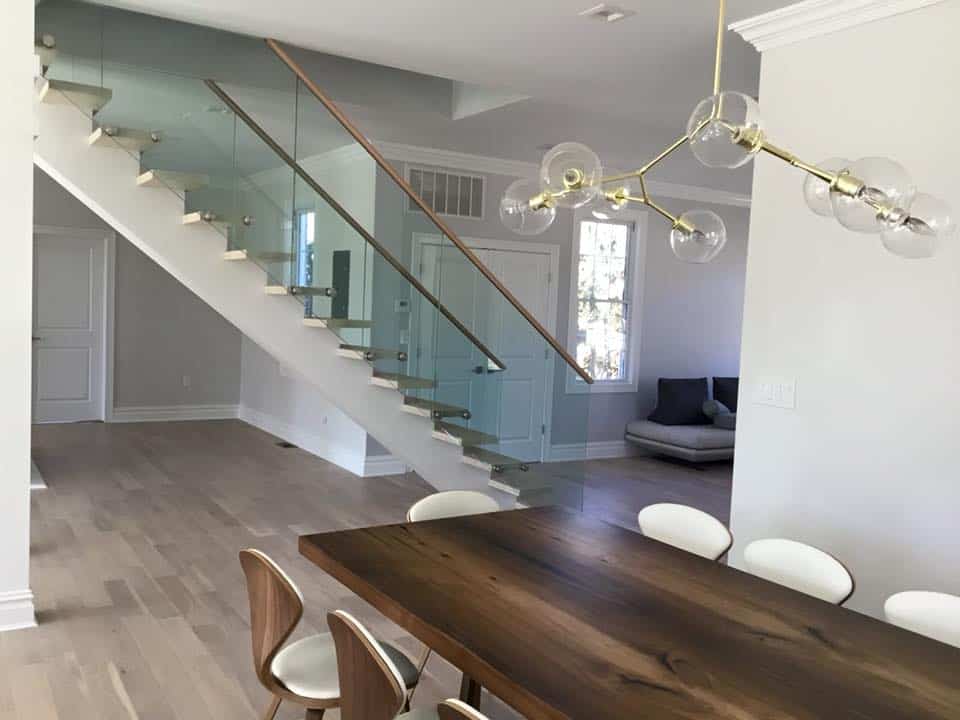
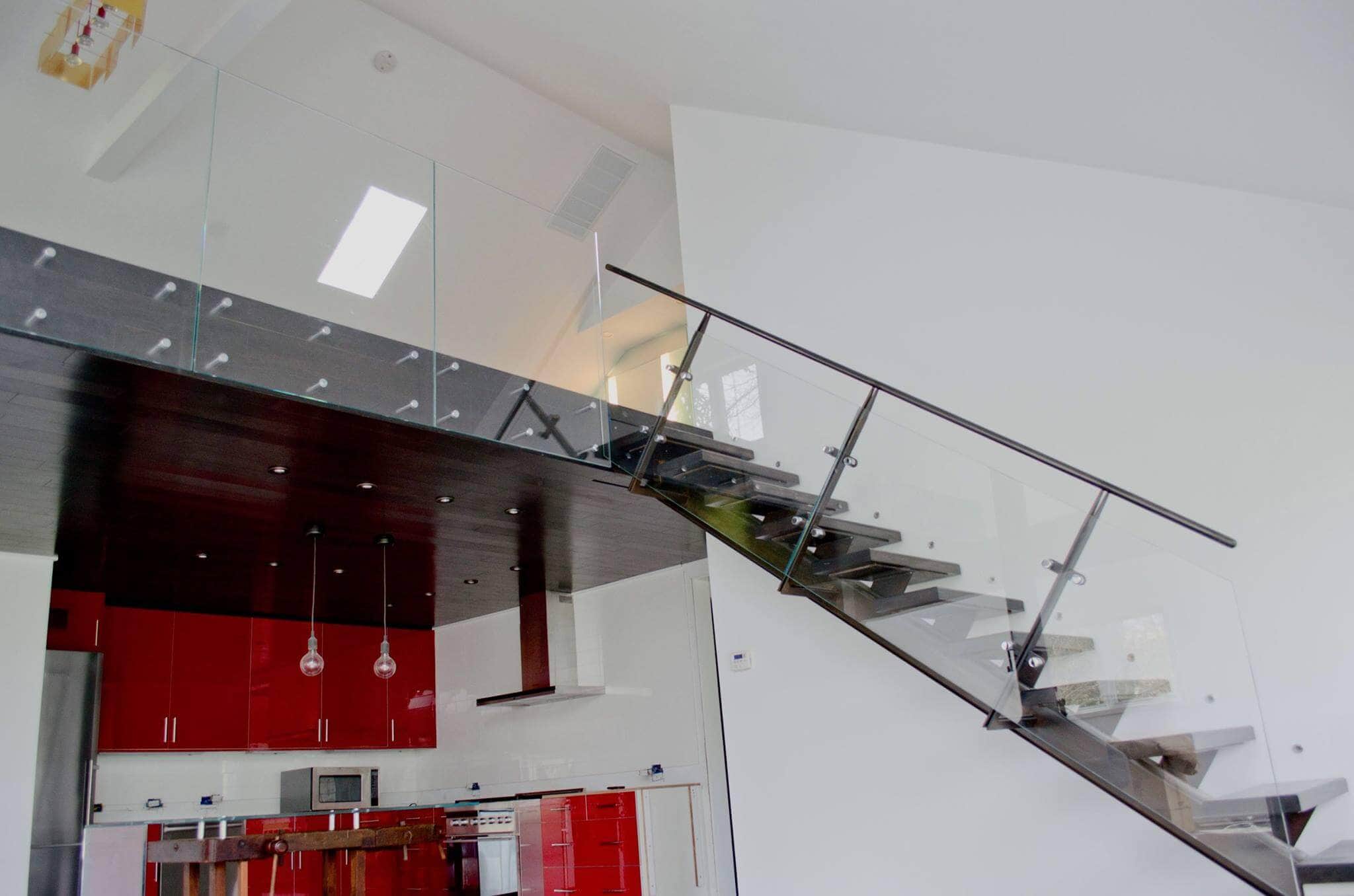
Glass railing systems use tempered or laminated glass panels supported by metal posts, clamps, or frameless mounting systems. You’ll see them in modern homes where the view matters—decks overlooking water, staircases with floor-to-ceiling windows, balconies where you don’t want visual interruption.
Traditional railings include wood, wrought iron, steel, aluminum, and cable systems. Wood brings warmth and can be stained to match your interior. Metal offers strength and works in both classic and industrial designs. Cable railings give you a contemporary look with thin horizontal lines that don’t block much of the view.
The main difference comes down to visibility and maintenance. Glass gives you a completely clear sightline and doesn’t rot or rust. Traditional materials offer more design variety and often lower upfront costs, but they require different levels of upkeep depending on what you choose.
What Glass Railing Systems Actually Cost vs Traditional Options
Glass railings typically run $150 to $600 per linear foot installed. For a standard 10-foot staircase with railings on both sides, you’re looking at $10,000 to $17,000 including materials and labor. That’s not a small investment, and it’s higher than most traditional options.
Wood railings cost $20 to $60 per linear foot installed. Metal systems range from $50 to $250 per linear foot depending on the material—aluminum on the lower end, stainless steel and wrought iron higher. Cable railings fall in the $50 to $100 range per linear foot.
The upfront cost difference is significant. But here’s where it gets more complicated: wood needs regular maintenance. You’re looking at sealing, staining, or repainting every few years, which adds $100 to $500 annually depending on the size of your project. Metal can rust if not properly maintained, requiring touch-ups or repainting. Glass requires cleaning but no refinishing, no sealing, no repainting.
Over a 20-year span, the maintenance costs for wood can add up to several thousand dollars. Glass costs more initially but stays relatively stable after installation. That doesn’t make glass automatically cheaper—it depends on how long you plan to stay in your home and whether you’re comfortable doing the maintenance yourself.
For homeowners in Nassau County, NY and Suffolk County, NY, the coastal environment matters. Salt air accelerates corrosion on metal and moisture damage on wood. Glass handles these conditions better, which is why you see it more often in waterfront properties across Long Island.
Safety and Durability: What Actually Holds Up
One of the biggest concerns people have about glass railings is safety. It’s glass—won’t it break? The short answer is no, not under normal conditions. Glass railings use tempered or laminated glass, which is four times stronger than regular glass. Tempered glass is heat-treated for strength and breaks into small, dull pieces instead of dangerous shards if it does fail.
Laminated glass goes a step further. It’s made by bonding two glass panes with an interlayer, so even if it cracks, the glass holds together instead of falling apart. This is the same technology used in car windshields.
For families with kids or pets, glass actually offers advantages. There are no gaps between balusters where small limbs can get stuck or where a child might try to climb through. The smooth surface doesn’t provide footholds for climbing. And because the panels are solid, toys and small objects won’t fall through to the ground below if you have an elevated deck.
Wood railings are sturdy when properly maintained, but they can rot, warp, or splinter over time, especially in humid or coastal climates. Pests like termites can compromise structural integrity. Metal railings are strong and durable, but they can rust if the protective coating is damaged. Wrought iron looks great but requires maintenance to prevent corrosion. Aluminum resists rust better but can dent or bend under impact.
Cable railings offer good durability with stainless steel cables that resist corrosion, but the cables need to be tensioned properly and checked periodically to ensure they haven’t loosened. The posts and frames still require maintenance depending on the material.
Glass railings don’t rot, warp, rust, or attract pests. They handle weather well, including the salt air common in Nassau County, NY and Suffolk County, NY. With proper installation and occasional cleaning, glass railings can last 25 to 35 years or more without major issues. That’s comparable to or better than most traditional materials when you factor in the maintenance required to keep wood and metal in good condition.
Maintenance Requirements: What You're Actually Signing Up For
Maintenance is where the differences between glass and traditional railings become most obvious in daily life. Glass shows fingerprints, smudges, and water spots. If you have kids or you’re near the ocean, you’ll notice it. Cleaning glass railings means using glass cleaner and a cloth, or a hose for outdoor installations. How often depends on your tolerance for visible marks and your environment.
Wood railings need more involved care. You’re sealing or staining every two to three years to protect against moisture, UV damage, and insects. If the finish starts to peel or the wood begins to crack, you’re looking at sanding and refinishing. Skip the maintenance and you’ll deal with rot, warping, and splinters.
Metal railings are easier than wood but not maintenance-free. Powder-coated finishes hold up well, but if they chip or scratch, the exposed metal can rust. You’ll need to touch up the coating and possibly repaint every few years depending on exposure to weather.
Where Glass Railings Work Best in Your Home
Glass railings make the most sense where the view matters and where you want a modern, open feel. Decks and balconies are the most common applications, especially if you’re overlooking water, landscaping, or any scenery you don’t want to block. The transparency maximizes natural light and makes the space feel larger.
Interior staircases are another strong fit, particularly in homes with open floor plans or where you want to maintain visual flow between levels. Glass keeps the space feeling connected without the visual weight of solid balusters. If your staircase is near windows or in a central location where light needs to travel through the home, glass won’t interrupt it.
Pool areas benefit from glass railings because they provide a safety barrier without blocking the view of the pool or the surrounding yard. They also handle moisture and pool chemicals better than wood, which can deteriorate quickly in that environment.
Glass railings work less well in situations where privacy is a priority. They’re transparent by design, so if you want to block views into or out of a space, frosted or tinted glass is an option, but it adds cost. Traditional railings with solid balusters or panels offer more privacy by default.
For homes in Nassau County, NY and Suffolk County, NY, glass railings are particularly popular in waterfront properties where homeowners want to maximize views of the water. They’re also common in modern renovations where the goal is to update the home’s aesthetic and increase resale value. Long Island’s luxury market shows strong demand for contemporary features like glass railings that create a high-end, sophisticated look.
Glass Stair Railing Installation: What the Process Involves
Installing glass railings isn’t a DIY project for most homeowners. The glass panels are heavy and require precise measurements and secure mounting to meet building codes. Professional installation ensures the system is safe, structurally sound, and compliant with local regulations.
The process starts with accurate measurements of the space. For staircases, the railing needs to follow the angle of the stairs, which adds complexity. The installer will determine the size and number of glass panels needed, the type of mounting system (clips, standoffs, or base shoe), and whether you need a top rail or handrail for code compliance.
Building codes in New York require railings to be at least 36 inches high for residential applications and 42 inches for commercial spaces. The railing must be able to withstand a 200-pound load, and posts typically need to be spaced no more than six feet apart. Glass panels must be tempered or laminated to meet safety standards.
Installation involves securing the posts or mounting hardware to the deck, staircase, or floor. The glass panels are then fitted into place and secured with the chosen hardware. For frameless systems, the glass is held by clamps or standoffs that minimize visible hardware. For framed systems, the glass sits within metal or wood channels that provide additional support and structure.
The entire process for a standard staircase usually takes one to two days depending on complexity. Deck and balcony installations can take longer depending on the size and configuration of the space. Working with an experienced installer familiar with glass railing systems ensures the job is done correctly and meets all safety requirements.
For homeowners in Nassau County, NY and Suffolk County, NY, choosing a local installer with experience in coastal environments is important. They’ll understand how to account for wind loads, salt air exposure, and local building codes specific to Long Island.
Choosing the Right Railing System for Your Home
Glass railings offer clear advantages in visibility, modern aesthetics, and low long-term maintenance. They cost more upfront than wood or most metal options, but they don’t require the ongoing care that traditional materials demand. For homeowners who prioritize views, contemporary design, and durability in coastal environments, glass makes sense.
Traditional railings have their place. Wood brings warmth and classic appeal at a lower initial cost. Metal offers strength and works in a variety of design styles. Cable railings provide a middle ground with minimal visual obstruction and good durability. The right choice depends on your budget, your design preferences, and how much maintenance you’re willing to take on.
If you’re considering glass railings for your home in Nassau County, NY or Suffolk County, NY, we have the experience and expertise to help you design and install a system that fits your space and meets your needs. Our work with custom glass solutions across Long Island includes railings for staircases, decks, balconies, and pool areas, backed by transparent communication and professional installation.