Summary:
Your shower shouldn’t feel like an obstacle course. If you’re tired of stepping over a high tub wall, scrubbing grout lines that never quite come clean, or worrying about slipping on wet surfaces, a walk in shower remodel might be exactly what your bathroom needs. This isn’t about chasing trends. It’s about creating a space that’s easier to use, safer to navigate, and built to last through whatever life brings.
Nassau County homeowners are making the switch for good reasons: better accessibility, simpler maintenance, and a cleaner, more open feel. But not all walk in shower projects deliver on those promises. The difference comes down to understanding what actually works in Long Island homes—from handling our coastal humidity to choosing materials that stand up to daily use. Let’s walk through the design options, cost realities, and renovation process that turn a dated bathroom into something you’ll actually look forward to using.
Walk In Shower Remodel: Complete Planning Guide
Planning a walk in shower remodel starts with understanding what you’re working with and where you want to end up. The best projects begin with honest answers to a few straightforward questions. How do you actually use your bathroom? Who needs to access it? What’s driving you crazy about your current setup?
Most Nassau County homeowners are dealing with one of three scenarios: an old tub-shower combo that’s seen better days, a cramped shower stall that feels claustrophobic, or a bathroom that needs to work better for aging in place. Each situation calls for a different approach, but they all benefit from the same foundation—clear goals, realistic budgets, and a process that doesn’t leave you guessing.
The planning phase is where you lock in the details that matter. Shower size and layout. Accessibility features like low thresholds or grab bars. Glass enclosure style. Tile selection. Fixture placement. These aren’t just aesthetic choices. They determine how well your shower functions five, ten, or twenty years from now.
What Makes a Walk In Shower Different
A walk in shower eliminates the barriers you find in traditional setups. No high tub wall to climb over. No tight, enclosed space that feels like a phone booth. Instead, you get an open entry—sometimes with a low curb, sometimes completely curbless—and enough room to move comfortably.
The defining feature is accessibility. You can walk straight in without navigating obstacles, which makes daily use easier for everyone. For homeowners thinking about the long term, that accessibility becomes critical. One in three seniors takes a fall at home every year, and 80% of those falls happen in the bathroom. A walk in design removes one of the biggest trip hazards.
But accessibility doesn’t mean sacrificing style. Modern walk in showers use frameless glass to create visual continuity, making even small bathrooms feel larger. The glass lets light flow freely, and because there’s no bulky tub or curtain blocking sightlines, the whole space opens up. Across Nassau and Suffolk County neighborhoods, frameless glass and oversized porcelain tile are replacing bulky tubs, keeping the look bright and clean.
Design flexibility is another advantage. Walk in showers adapt to almost any bathroom size or layout. A corner installation works in tight spaces. A larger alcove can accommodate built-in benches, recessed niches, and multiple showerheads. You’re not locked into a one-size-fits-all prefab unit. Custom options let you build around your specific needs and the quirks of Long Island homes—older plumbing, coastal humidity, layouts that don’t follow textbook dimensions.
The materials matter too. Porcelain tile resists water and cleans up fast, which is why it remains the go-to for floors and shower walls in coastal areas. Quartz accents are trending for their sleek look and low maintenance. And because winters on Long Island get chilly, radiant heated floors are a favorite upgrade—they warm tile underfoot and dry quickly after showers, helping reduce moisture.
Curbless entries are especially popular because they create a clean, uninterrupted floor line. The shower blends seamlessly into the rest of the bathroom. No ledge to step over. No visual break. Just a smooth transition that makes the space feel larger and more cohesive. Achieving that look requires careful planning—the subfloor needs proper pitch for drainage, and waterproofing becomes even more critical—but the result is worth the extra attention.
Design Options That Work for Nassau County Homes
Long Island homes come with their own set of challenges and opportunities. Older plumbing. Salt air near the South Shore. Layouts that were built decades before walk in showers became standard. The design options that work best here account for those realities instead of fighting them.
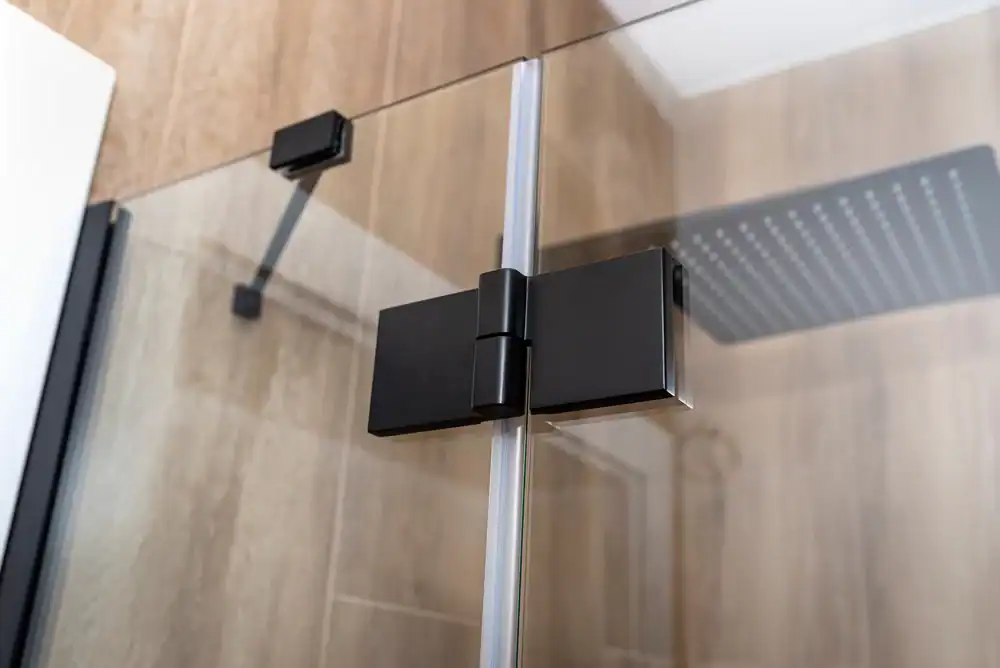
Frameless glass enclosures top the list for good reason. They’re sleek, timeless, and they don’t visually chop up the room. Glass also handles humidity better than shower curtains or framed doors, which can trap moisture and encourage mold. In Nassau County bathrooms, where coastal air adds extra moisture to the mix, that resistance makes a real difference.
Tile selection comes down to balancing aesthetics with practicality. Large-format tiles reduce grout lines, which means less scrubbing and fewer places for mildew to hide. Light, neutral tones bounce daylight around tight spaces, making small bathrooms feel bigger. Textured or slip-resistant finishes in wet zones add safety without sacrificing style.
Built-in features elevate functionality. A recessed niche keeps shampoo bottles off the floor and within easy reach. A tiled bench transforms your shower into a place you actually want to linger, and it doubles as a safety feature for anyone who needs to sit. Grab bars that match your finishes blend safety with style—modern designs look like towel bars, so they don’t scream “medical equipment.”
Linear drains are replacing traditional center drains in many high-end projects. They sit flush against one wall, creating a cleaner look and allowing for larger-format tile without awkward cuts. The drainage is more efficient, and installation is often simpler when you’re working with existing plumbing locations.
Fixture placement deserves careful thought. Thermostatic shower valves maintain steady water temperature, eliminating the guesswork and preventing scalding. Handheld showerheads add versatility—you can rinse the walls after cleaning, bathe a pet, or make showering easier if mobility becomes an issue. Rain showerheads create a spa-like feel, but they work best when paired with a separate handheld for practical daily use.
Lighting and ventilation often get overlooked until it’s too late. Good lighting makes the space feel bigger and safer. Most Long Island homeowners choose three layers: bright task lighting at the mirror, soft ambient lighting overhead, and dimmable accents for a peaceful evening routine. Quiet, high-performance ventilation is just as important—it prevents mold and protects your investment by managing moisture effectively.
Shower Remodel Cost Considerations for Nassau County
Let’s talk numbers. A standard walk in shower remodel in Nassau County typically falls between $6,000 and $12,000 for a basic conversion. Most homeowners report contractor quotes landing in the $8,000 to $10,000 range for quality, mid-range installation with porcelain tile and frameless glass. That’s not pocket change, but it’s also not guesswork when you understand what drives the cost.
The range exists because every project is different. Shower size, material choices, plumbing complexity, and structural modifications all shift the final number. A simple tub-to-shower conversion using the existing footprint costs less than relocating drains or expanding into adjacent space. Prefabricated bases cost less than custom tile work. Standard fixtures cost less than high-end rain showerheads and thermostatic valves.
Here’s where homeowners get caught off guard: 38% of people who recently completed bathroom renovations said they paid more than expected to install a walk in shower. The culprit? Hidden issues and scope changes. Old homes hide problems behind walls—corroded pipes, inadequate waterproofing, structural damage that only becomes visible during demolition.

Shower Replacement Cost Breakdown
Breaking down the cost by component helps you understand where your money goes and where you might find savings or make strategic upgrades. Materials and labor split the budget roughly 40/60, with labor accounting for the larger share. Skilled tradespeople—plumbers, tile installers, glass specialists—command fair rates because the work requires precision. Improper waterproofing alone can cause water damage that costs $10,000 or more to fix, so cutting corners on installation is an expensive gamble.
Shower bases range from $800 to $1,800 depending on material and size. Acrylic or fiberglass bases install quickly and cost less. Custom tile pans cost more but offer unlimited design flexibility. Wall materials run $1,500 to $3,500. Tile work sits at the higher end of that range, while acrylic or solid surface panels come in lower. Glass enclosures are one of the bigger line items. Frameless glass typically runs $1,400 to $3,300 installed. The thicker, tempered glass and specialized hardware drive that cost, but the clean look and durability justify the investment for most homeowners.
Plumbing modifications add $500 to $3,500 depending on complexity. Keeping existing plumbing connections saves substantial money compared to relocating fixtures. Moving a drain even a few inches on a concrete slab means jackhammering and re-patching—an added $500 to $1,500 per fixture relocated. Older homes might need pipe upgrades or valve replacements to meet current codes, which adds to the scope.
Curbless or zero-entry designs cost 20% to 30% more than standard walk in showers. The subfloor must be recessed to create a seamless transition, which requires additional framing, waterproofing, and labor. The result is worth it for many homeowners—the clean, uninterrupted floor line and improved accessibility justify the premium—but it’s important to budget for that difference upfront.
Permits and inspections typically run $250 to $500 in Nassau County. Most walk in shower installations require permits, especially when work involves plumbing modifications or structural changes. Working with experienced contractors who handle permitting as part of their service eliminates that headache and ensures the work meets local codes.
Demolition and disposal add another $300 to $1,000. Removing an old tub or shower, hauling away debris, and prepping the space for new installation takes time and labor. Some contractors include this in their quote; others list it separately. Always clarify what’s included so you’re comparing apples to apples when evaluating bids.
What Affects Your Walk In Shower Renovation Budget
Size is the most obvious factor. Larger showers require more tile, more waterproofing membrane, and more labor hours. But the real cost jump often comes from layout changes. Moving plumbing, expanding the shower footprint, or reconfiguring the bathroom layout adds complexity and expense. A shower that stays in the same footprint as your existing tub keeps plumbing costs minimal. Moving the drain or supply lines adds $500 to $2,000 or more depending on access and existing conditions.
Material selection creates the biggest visual impact and the widest price swing. Standard porcelain tile runs $2 to $15 per square foot for materials alone. Natural stone or designer tiles can reach $35 per square foot or higher. Frameless glass costs more than framed alternatives, but most homeowners find the clean look worth the premium. Fixtures range from basic to luxury—a standard showerhead might cost $60, while high-end rain showers with body jets push past $1,100.
Hidden issues are the wild card. Water damage, mold, outdated wiring, or structural problems that only become visible during demolition can add unexpected costs. Experienced contractors build contingency into their estimates—typically 15% to 20% of the total budget—to handle surprises without derailing the project. That buffer isn’t padding. It’s realistic planning based on what actually happens when you open up walls in older homes.
Timeline affects cost indirectly. Rush jobs or peak season work (May through August) bring higher labor rates and longer wait times. Booking your contractor two to three months ahead—six or more months for peak season—gives you better pricing and availability. January and February offer the best pricing and availability, with labor rates running 10% to 20% lower as contractors are eager for work.
The level of customization you want drives the final number. Prefabricated shower kits with standard finishes sit at the budget end. Mid-range projects include custom tile work, upgraded fixtures, and frameless glass. High-end renovations feature large-format natural stone, multiple showerheads, built-in benches, steam systems, and designer fixtures. Most Nassau County homeowners land in the mid-range category, balancing quality with value.
Accessibility features add cost but deliver long-term value. Grab bars, built-in seating, handheld showerheads, and slip-resistant flooring increase the upfront investment. But they also future-proof your bathroom and can prevent costly modifications down the road. With 87% of adults age 65 and older wanting to stay in their current home as they age, building accessibility in from the start makes financial and practical sense.
Planning Your Walk In Shower Remodel in Nassau County
A walk in shower remodel is more than a bathroom upgrade. It’s an investment in how you live, how safely you age in place, and how much you enjoy your home. The projects that deliver on those promises start with clear planning, realistic budgets, and contractors who understand Long Island homes.
The design options are flexible enough to work in almost any space and adaptable enough to meet your specific needs—whether that’s better accessibility, easier maintenance, or simply a cleaner, more modern look. The costs are predictable when you work with experienced professionals who provide transparent proposals and handle the details that matter, from proper waterproofing to local permits.
What separates a good walk in shower remodel from a great one comes down to expertise and execution. We bring over two decades of experience to Nassau and Suffolk County projects, specializing in the custom glass solutions that make walk in showers work. From initial consultation through final installation, every detail receives the same level of care and precision that’s kept us the trusted name across Long Island.