
Summary:
You need another bathroom. Maybe it’s the morning rush that’s finally pushed you over the edge, or maybe you’re adding value before selling. Either way, you’re trying to figure out what adding a bathroom actually costs—and the numbers you’re seeing online are all over the place.
Here’s what matters: new bathroom cost in Nassau County isn’t just about toilets and tile. You’re dealing with plumbing that needs to reach new spaces, electrical circuits that didn’t exist before, permits that Nassau County takes seriously, structural work that has to meet code, and finishing touches like frameless glass shower doors that make or break the final result. This guide walks you through the real cost breakdown, the planning considerations that affect your budget, and what you need to know before your first contractor meeting.
What Does Adding a New Bathroom Cost in Nassau County
The short answer: most Nassau County homeowners spend between $18,000 and $50,000 when adding a bathroom, depending on size and finishes. But that range doesn’t tell you much until you understand what drives the number up or down.
A half bath with just a toilet and sink in a space close to existing plumbing might land on the lower end. A full bathroom with shower, custom tile, and a frameless glass enclosure that requires running new lines across your house pushes you higher. And if you’re building an actual addition that extends your home’s footprint, you’re looking at foundation work, framing, and roofing on top of everything else.
Location matters more than you think. Adding a bathroom directly above or adjacent to existing plumbing cuts costs significantly because you’re not running new supply and drain lines across the entire house. The further you get from existing infrastructure, the more expensive rough-in plumbing becomes—and that’s before you even think about fixtures or shower glass.
Bathroom Addition Cost Breakdown: Where Your Money Goes
Let’s talk about where your money actually goes when adding a bathroom, because understanding the breakdown helps you make smarter decisions about where to invest and where to save.
Plumbing is typically your biggest variable cost. Running new water supply lines and drain pipes can range from $3,000 to $20,000 depending on how far the new bathroom sits from your existing plumbing stack. If you’re adding a bathroom on a concrete slab foundation, you’re looking at saw-cutting, trenching, and patching—all labor-intensive work that adds to the bill. Plumbers in Nassau County charge $75 to $150 per hour, and a new bathroom installation isn’t a quick job.
Electrical work comes next. New bathrooms need dedicated circuits for outlets, lighting, exhaust fans, and potentially heated floors or specialty fixtures. Electricians charge $50 to $150 per hour in Nassau County, and you’ll need GFCI outlets within six feet of any water source—that’s code, not optional. Budget $1,500 to $4,000 for electrical depending on complexity.
Permits and inspections in Nassau County typically run $300 to $800 for bathroom work. Some homeowners see this as an annoying expense, but permits protect you. Unpermitted work can kill a home sale in Long Island’s active real estate market, and inspections catch problems before they become expensive failures. Nassau County requires permits any time you’re doing plumbing, electrical, or structural work—which means basically any new bathroom addition.
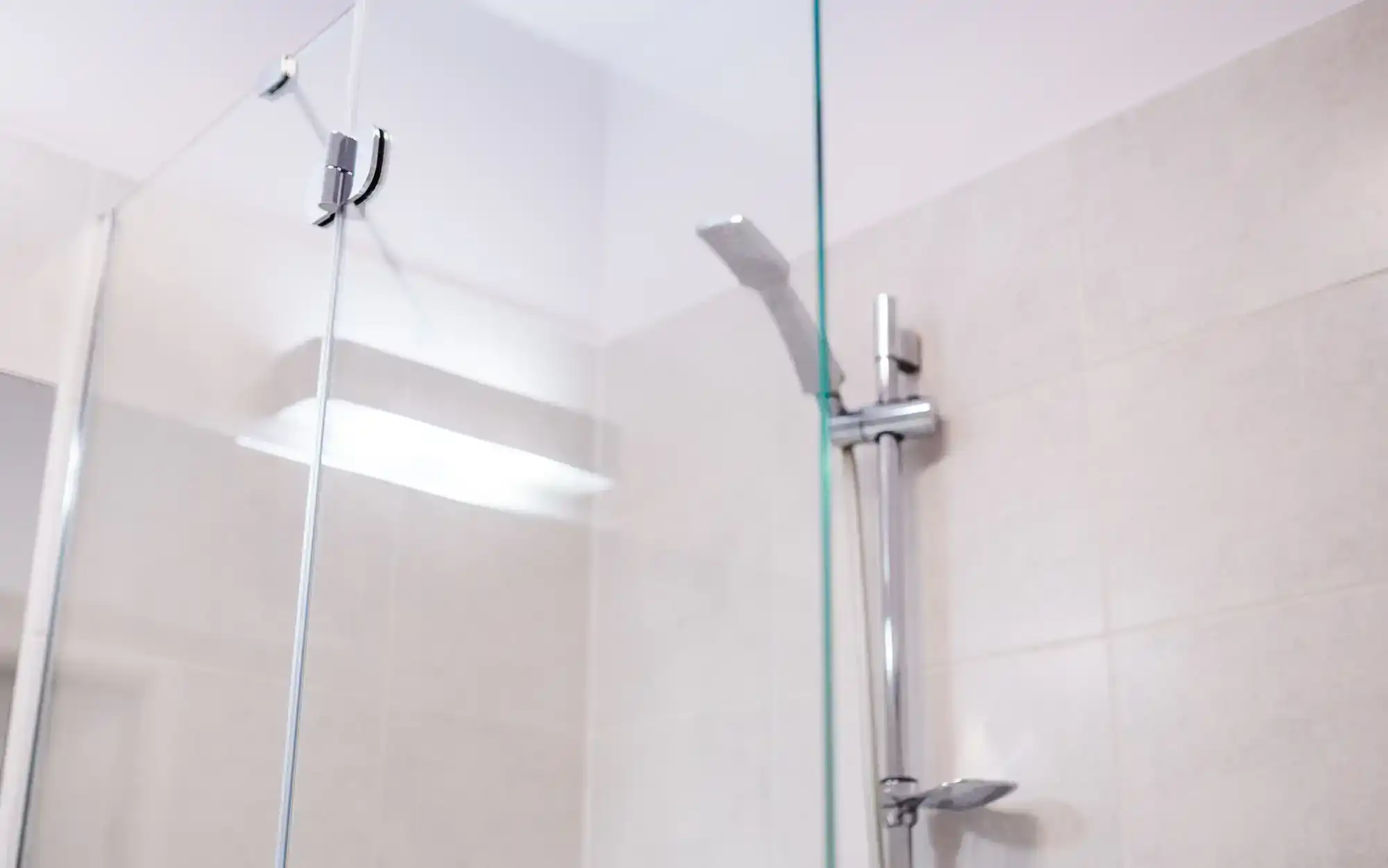
Materials and fixtures vary wildly based on your choices. A basic toilet, sink, and shower with builder-grade finishes might total $2,000 to $4,000. Upgrade to quality fixtures, custom tile work, and a frameless glass shower enclosure, and you’re easily at $8,000 to $15,000 just for materials. This is where you have the most control over final bathroom construction cost.
Labor typically eats 40% to 55% of your total budget. You’re coordinating multiple trades—plumbers, electricians, tile installers, drywall specialists, painters—and general contractors charge 15% to 20% markup for managing the whole project. For a $30,000 bathroom addition, that’s $4,500 to $6,000 just for coordination, but it’s often worth it to avoid the headache of managing five different subcontractors yourself.
Half Bath vs Full Bath Cost Comparison for Nassau County Homes
The difference between a half bath and full bath isn’t just an extra fixture or two—it’s a completely different scope of work that affects your bathroom addition cost in multiple ways.
A half bath (powder room) with just a toilet and sink is the most budget-friendly addition. You’re looking at $8,000 to $25,000 in most Nassau County homes, assuming you’re converting existing space or building in a location with reasonable access to plumbing. Half baths work great near entryways or living areas where guests need a bathroom but don’t need shower facilities. The smaller footprint means less tile, less plumbing, and faster installation.
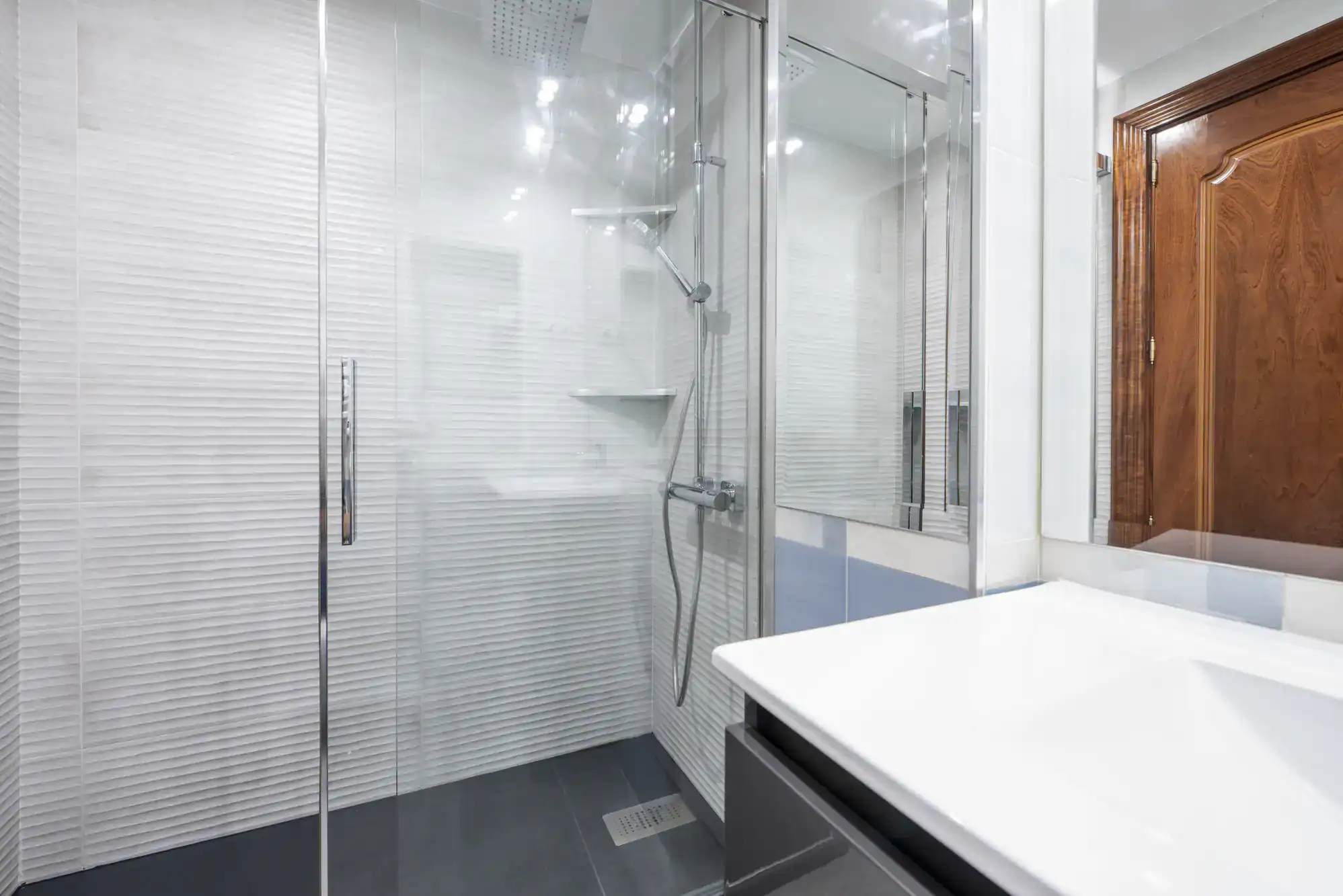
Full bathrooms with toilet, sink, and shower run $18,000 to $50,000 depending on finishes and location. The shower adds significant plumbing complexity—you need proper drainage with the right slope, waterproofing that meets code, and typically more square footage to make the space functional. This is also where your choice of shower enclosure makes a visible difference. A basic shower with a curtain costs less upfront but looks cheaper. A frameless glass shower door creates that open, high-end feel that makes the investment worthwhile.
Primary bathrooms with double vanities, separate shower and tub, and premium finishes can easily exceed $50,000 in Nassau County. These spaces often include luxury features like heated floors, custom tile work, high-end fixtures, and custom glass shower enclosures that create that spa-like feel. The square footage alone drives up costs—more tile to install, more plumbing fixtures to connect, more electrical outlets and lighting to wire.
Here’s what most people don’t consider: the bathroom type also affects resale value differently. A well-placed half bath on your main floor often delivers better ROI than a second full bath upstairs if you already have two full baths. Think about how the addition serves your home’s layout and future buyers’ needs, not just your immediate convenience.
Nassau County Permits and Building Code Requirements for Bathroom Additions
Nassau County doesn’t mess around with building codes, and bathroom additions trigger permit requirements almost every time. Understanding this upfront saves you from expensive problems later.
Any bathroom work involving plumbing, electrical, or structural changes requires permits in Nassau County. That covers basically every new bathroom addition. You’ll need plan review, multiple inspections during construction, and a final sign-off before the work is considered complete. The process adds time to your project, but it’s not optional.
Permit fees in Nassau County typically range from $300 to $800 depending on project scope. Larger additions with more complex work cost more to permit. You’ll also need to factor in 2 to 4 inspection visits throughout the project, which can cause scheduling delays if your contractor isn’t prepared. Always work with contractors who pull proper permits—unpermitted work can delay or kill your home sale.
Structural Requirements and Space Planning for Long Island Bathroom Additions
Before you start picking tile colors or shopping for shower doors, you need to understand whether your planned bathroom location is even structurally feasible. Not every space in your home can support a bathroom addition without significant modifications.
Floor joists need to support the weight of a filled bathtub, which can exceed 1,000 pounds. If you’re adding a bathroom on a second floor, your existing framing may need reinforcement. Cutting floor joists to accommodate a 3-inch drain pipe—which is required for toilets—can weaken the structure if not done correctly. This is why structural evaluation comes before design work, not after.
Ceiling height matters more than you’d think. Building codes require minimum clearances around fixtures, and if you’re converting attic space or a basement, you may not have enough headroom without major work. Standard bathrooms need at least 30 inches of clear floor space in front of fixtures, and you can’t have a toilet closer than 15 inches from the centerline to any wall or obstacle.
Ventilation is non-negotiable. Every bathroom needs either a window that opens or an exhaust fan vented to the outside—code requires minimum 50 CFM for proper moisture control. In Nassau County’s older homes, this often means cutting through exterior walls or running ductwork through existing spaces, which adds complexity and cost.
Plumbing access determines whether your bathroom location makes financial sense. Adding a bathroom directly above or adjacent to existing plumbing minimizes new drain, waste, and vent runs. Move too far from existing infrastructure and you’re running new lines across your entire home, which can double or triple plumbing costs. The best bathroom locations from a cost perspective are rarely the most convenient from a layout perspective—you have to balance both.
Water pressure and supply capacity need evaluation too. Adding another bathroom means more simultaneous demand on your water system. Older homes with galvanized pipes or undersized water heaters may need upgrades to handle the additional load, which isn’t always obvious until you’re mid-project.
Timeline Expectations for New Bathroom Construction in Nassau County
Understanding the timeline for adding a bathroom helps you set realistic expectations and plan around the disruption to your home. Most projects take longer than homeowners expect, and knowing why helps you avoid frustration.
Design and planning typically take 2 to 4 weeks if you’re working with a contractor or designer. This phase includes finalizing layout, selecting materials, creating detailed plans for permit submission, and getting accurate quotes. This is when you’re choosing everything from tile patterns to shower glass style. Rushing this phase is where most budget overruns start—unclear plans lead to change orders, and change orders cost money.
Permit approval in Nassau County adds another 2 to 4 weeks depending on the complexity of your project and the current backlog at the building department. You can’t start construction until permits are approved, so factor this into your timeline. Contractors who regularly work in Nassau County know how to navigate the process efficiently, which is worth considering when you’re choosing who to hire.
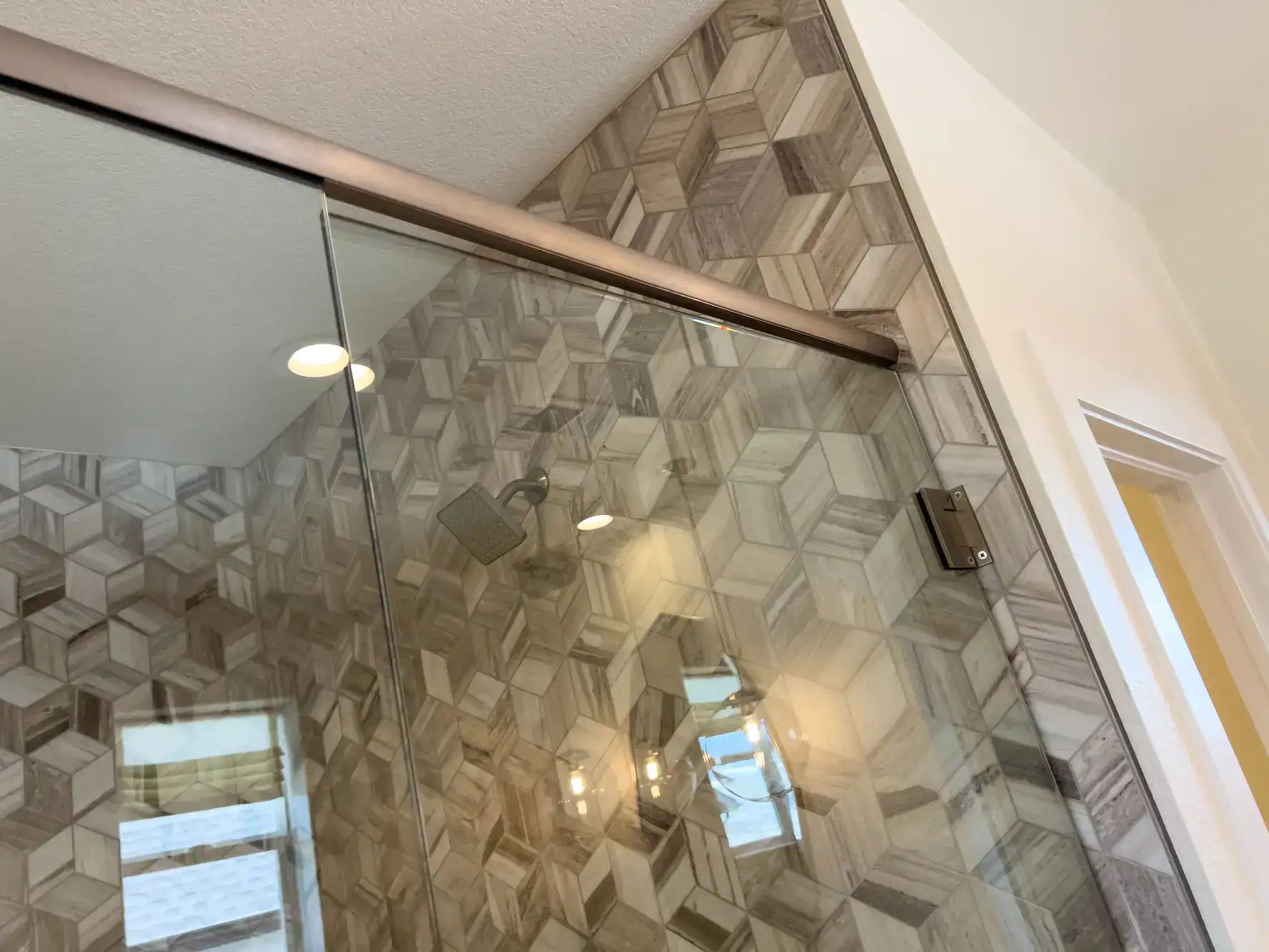
Construction for a basic bathroom addition takes 3 to 6 weeks once permits are in hand. This includes demolition if you’re converting existing space, rough-in plumbing and electrical, framing and drywall, waterproofing, tile installation, fixture installation, and finishing work like installing your frameless shower doors. Complex projects with custom tile work, specialty fixtures, or structural modifications can stretch to 8 to 12 weeks.
Inspections happen at multiple stages—rough-in inspection after framing and utilities are installed but before walls are closed, and final inspection after everything is complete. Your contractor schedules these, but inspectors work on their own timeline, which can cause delays if they’re backed up or if work doesn’t pass on the first try.
Here’s what slows projects down: material delays, unexpected issues discovered during demolition (especially in older Long Island homes), weather if you’re building an exterior addition, and scheduling conflicts between different trades. Smart contractors build buffer time into their estimates. If someone promises a complex bathroom addition in 3 weeks flat, they’re either cutting corners or setting you up for disappointment.
The final phase is the one that makes everything worthwhile—installing those finishing touches that transform a functional bathroom into a space you actually want to use. This is where quality glass shower enclosures, carefully selected fixtures, and thoughtful details come together. The difference between a bathroom that feels complete and one that feels like corners were cut often comes down to how much attention gets paid in these final weeks.
Making Smart Decisions About Your Nassau County Bathroom Addition
Adding a new bathroom to your Nassau County home is a significant investment, but it’s one that pays dividends in daily convenience and home value when done right. The key is going in with realistic expectations about costs, timelines, and the complexity involved.
Budget for the full scope—not just the fixtures you can see, but the infrastructure behind the walls that makes everything work. Understand that Nassau County’s permit requirements exist for good reasons, and that working with experienced local contractors who know the codes saves you headaches. Plan for a timeline that accounts for design, permits, construction, and inspections without rushing phases that need proper attention.
When you’re ready to move forward with your bathroom addition, we bring over 20 years of Long Island experience to one of your project’s most visible elements. Our expert craftsmanship in custom glass shower enclosures, transparent proposals, and unparalleled attention to detail ensure your new bathroom’s finishing touch—that frameless glass that creates space and lets light flow freely—meets the high-end standards the rest of your investment deserves.