
Summary:
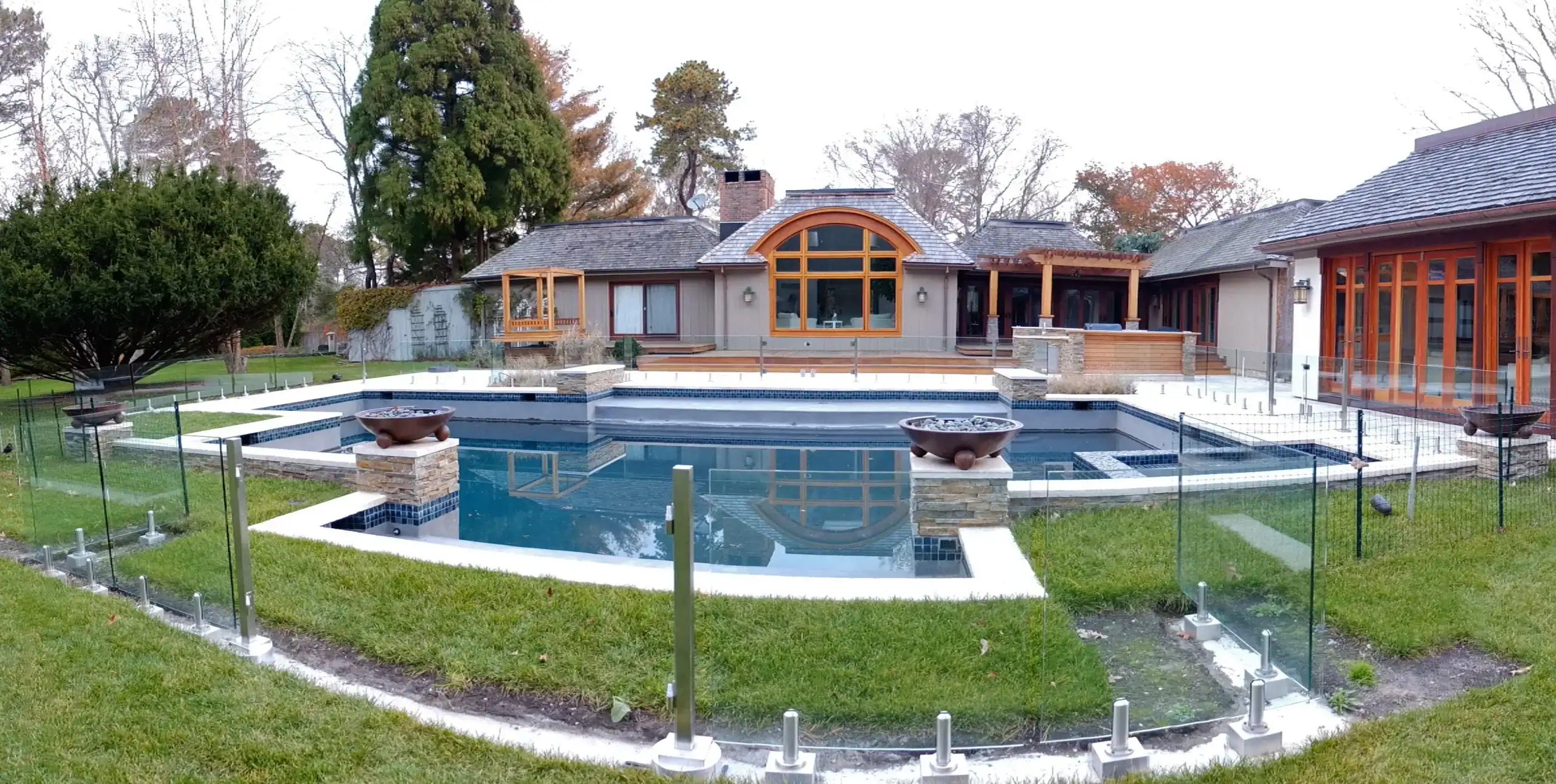
You invested in a beautiful glass pool enclosure so you could swim year-round and enjoy unobstructed views of your backyard. But if you’re like most Long Island homeowners, you’ve noticed something frustrating: that crystal-clear glass doesn’t stay clear for long. Salt air from the coast leaves a hazy film. Hard water creates stubborn spots. And no matter how many times you wipe, the streaks keep coming back.
The problem isn’t your effort. It’s the method. Long Island’s coastal climate demands a different approach than standard glass cleaning. In this guide, you’ll learn exactly how to keep your glass pool enclosure looking flawless, even when the salt air has other plans.
Why Glass Pool Enclosures Get Cloudy on Long Island
Long Island sits between the Atlantic Ocean and Long Island Sound, which means salt-laden air is constantly moving across Nassau and Suffolk Counties. That ocean breeze feels great on a summer afternoon, but it’s depositing microscopic salt particles on every outdoor surface, including your glass pool enclosure.
Salt doesn’t just sit on the surface. It bonds with the glass, creating a tacky film that attracts dust, pollen, and moisture. When you try to wipe it away with standard cleaners, you’re often just spreading it around, which is why you end up with those frustrating streaks.
Add in Long Island’s humidity, summer rainstorms, and the pollen from all those trees, and you’ve got the perfect recipe for cloudy glass. Your pool enclosure is fighting a constant battle against nature, and without the right approach, nature usually wins.

How to tell if you're dealing with salt buildup or hard water spots
Before you start cleaning, you need to know what you’re cleaning. Salt film and hard water spots look similar at first glance, but they require slightly different approaches.
Salt film shows up as a uniform, grayish haze across the glass. When you run your finger across it, you’ll feel a slightly tacky texture. If you try to wipe it with a dry cloth, it tends to smudge and spread rather than disappear. This is especially common on glass pool enclosures in coastal areas of Nassau County and Suffolk County, where the ocean breeze delivers a steady supply of salt particles.
Hard water spots, on the other hand, appear as individual circular marks with gritty edges. These form when sprinkler water or rain hits your glass and evaporates, leaving behind mineral deposits. They’re typically brighter than salt film and catch the sunlight, creating those annoying bright rings you can’t seem to scrub away.
Many Long Island homeowners deal with both at the same time. The salt film creates the overall haze, while hard water spots dot the surface like freckles. If you live near the water or have irrigation that occasionally hits your enclosure, you’re probably seeing this combination right now.
The key difference: salt film can be dissolved and wiped away with the right solution, but hard water spots that have been sitting for months can actually etch into the glass. Those “ghost rings” become permanent if you wait too long. That’s why regular cleaning matters more than you might think.
Understanding what you’re dealing with helps you choose the right cleaning method and avoid wasting time on approaches that won’t work. Salt responds well to acidic cleaners like vinegar. Hard water minerals need a bit more patience and sometimes a gentle abrasive. Knowing the difference means you’ll get it right the first time.
What makes Long Island's climate harder on glass than other areas
If you’ve lived anywhere else before moving to Long Island, you’ve probably noticed that glass surfaces stay cleaner longer in other places. That’s not your imagination. Nassau and Suffolk Counties create a uniquely challenging environment for glass pool enclosures.
The coastal location means salt air is a constant presence. Even if you’re not directly on the beach, you’re close enough that ocean breezes carry salt particles inland. Homes in areas like the Hamptons, Bay Shore, and communities along the North Shore deal with heavier salt exposure, but even properties several miles from the water aren’t immune.
Then there’s the humidity. Long Island summers are humid, which means moisture in the air constantly interacts with the salt on your glass. This combination creates that sticky film that’s so difficult to remove. The moisture doesn’t just evaporate cleanly – it leaves behind whatever minerals and salt it was carrying.
Long Island’s tree coverage adds another layer of complexity. Between the oak trees, maples, and pines, there’s a steady supply of pollen in spring and leaves in fall. When pollen lands on salt-dampened glass, it sticks. When it rains, that pollen gets wet and creates a film that’s even harder to clean than salt alone.
Summer rainstorms are frequent and often heavy. Each storm deposits more minerals on your glass, especially if you have well water or hard water in your area. The rain also stirs up dust and pollen, which then gets splashed onto your pool enclosure.
Winter brings its own challenges. While your pool might not be in heavy use, freeze-thaw cycles can cause water trapped in frame crevices to expand and contract, potentially affecting seals and allowing moisture to reach areas it shouldn’t. Salt used on nearby roads and driveways can also become airborne and settle on your glass.
All of these factors work together to make glass pool enclosure maintenance more demanding on Long Island than in drier, inland, or less coastal climates. It’s not that you’re doing something wrong – it’s that you’re working in conditions that require a more strategic approach.
The Best Way to Clean Glass Pool Enclosures in Salt Air
Now that you understand what you’re up against, let’s talk about what actually works. The most effective approach for Long Island glass pool enclosures isn’t complicated, but it does require the right products and technique.
The foundation of streak-free glass in coastal areas is an acidic cleaner that can dissolve salt without leaving residue. Vinegar is your best friend here. It’s strong enough to break down salt bonds, gentle enough not to damage glass or frames, and it doesn’t leave behind the filmy residue that many commercial cleaners do.
The technique matters as much as the product. Rushing through the cleaning process or working in direct sunlight will leave you with streaks no matter what you’re using. Taking your time and following a methodical approach makes all the difference.

Step-by-step process for streak-free glass pool enclosure cleaning
Start by choosing the right time of day. Early morning or late afternoon works best because you want to avoid cleaning in direct sunlight. When the sun heats the glass, your cleaning solution evaporates before you can wipe it away, which creates streaks. Overcast days are actually ideal for this job.
Begin with a thorough rinse using your garden hose. Start at the top of your glass pool enclosure and work your way down, letting the water flow naturally. This rinse removes loose dirt, pollen, and surface debris. It also prevents you from scrubbing particles across the glass, which could create fine scratches.
Mix your cleaning solution in a spray bottle. For salt buildup, use white vinegar straight or diluted 50-50 with water if the buildup isn’t severe. Spray the solution liberally on a section of glass and let it sit for several minutes. This dwell time is critical – it gives the vinegar time to dissolve the salt bonds. Don’t rush this step.
Use a soft cloth or sponge to gently wipe the glass. You’re not scrubbing hard – you’re letting the vinegar do the work. For stubborn spots, spray again and wait another minute or two. Patience beats elbow grease when you’re dealing with salt film.
Here’s where most people make their biggest mistake: they let the glass air dry. Don’t do that. Use a squeegee to remove all the liquid, working from top to bottom in overlapping strokes. Wipe the squeegee blade with a clean, dry cloth after each pass. This prevents you from transferring dirt and moisture back onto the glass.
For the final touch, use a dry microfiber cloth to wipe the edges and any remaining moisture. Pay attention to the corners and seams where water tends to collect. These areas are often where streaks start because water pools there and evaporates slowly.
If you’re dealing with hard water spots that didn’t come off with vinegar alone, you can make a paste with baking soda and a small amount of water. Apply it to the spots, let it sit for a few minutes (but don’t let it dry completely), then gently wipe it away. Follow up with your vinegar rinse to remove any baking soda residue.
Work in sections rather than trying to clean the entire enclosure at once. This keeps your cleaning solution from drying on the glass while you’re working on another area. It also makes the job less overwhelming and gives you better results because you can focus on each section properly.
How often should you clean your glass pool enclosure in Nassau and Suffolk County
The cleaning frequency for your glass pool enclosure depends on your specific location and environmental exposure. There’s no one-size-fits-all answer, but there are clear guidelines based on where you live on Long Island.
If your home is within a few miles of the ocean or Long Island Sound – areas like the Hamptons, coastal Suffolk County communities, or waterfront properties in Nassau County – you should plan on cleaning your glass pool enclosure quarterly at minimum. The salt exposure is heavy enough that waiting six months will leave you with buildup that’s much harder to remove. Some homeowners in these areas clean every other month during the swimming season when they’re using the pool regularly and noticing the glass more.
For homes further inland but still in Nassau or Suffolk County, twice a year is usually sufficient if you stay on top of it. Spring cleaning removes the winter grime and prepares your enclosure for pool season. Fall cleaning takes care of summer’s accumulated salt, pollen, and hard water spots before winter sets in.
However, you’ll want to adjust based on what you observe. If you have mature trees near your pool enclosure, you might need more frequent cleaning during pollen season and fall leaf drop. If your irrigation system occasionally sprays your glass, you’ll see hard water spots develop faster and may need to clean more often.
The key is not letting buildup sit for months. Salt film that’s been on your glass for six months is significantly harder to remove than salt that’s been there for six weeks. Hard water spots that sit for a full season can etch into the glass and become permanent. Regular cleaning is actually less work in the long run because you’re preventing the kind of stubborn buildup that requires serious scrubbing.
Between deep cleanings, you can do quick maintenance rinses. After a rainstorm or on a humid day when you notice the glass looking hazy, a simple rinse with the hose followed by a squeegee can keep things looking decent. This takes maybe ten minutes and prevents small problems from becoming big ones.
Think of it like this: your glass pool enclosure is a significant investment that extends your swimming season and adds value to your property. Spending an hour or two a few times a year to keep it looking crystal-clear is a small price to pay for year-round enjoyment and protection of that investment.
If you find that you don’t have the time or inclination to clean your glass pool enclosure yourself, or if you’re dealing with stubborn buildup that won’t respond to DIY methods, that’s when it makes sense to bring in professionals who understand Long Island’s unique challenges and have the tools to handle them efficiently.
Keeping your glass pool enclosure clear year-round
Your glass pool enclosure gives you something most Long Island homeowners with outdoor pools don’t have: the ability to swim in January, enjoy your pool during spring rain showers, and extend your season from a few summer months to the entire year. That’s a luxury worth protecting.
The salt air, humidity, and coastal conditions that make Long Island beautiful also make glass maintenance more demanding than in other parts of the country. But now you know exactly what causes that hazy film, how to remove it without streaking, and how often to clean based on your specific location in Nassau or Suffolk County.
The right approach – vinegar-based cleaning, proper timing, squeegee technique, and regular maintenance – keeps your glass crystal-clear without expensive products or professional help for routine cleaning. When you do need expert assistance for installation, repairs, or custom glass work, we bring over two decades of experience serving Long Island’s finest homes with the same attention to detail we apply to every glass project.