
Glass Table Tops in Barnum Island, NY
Custom Glass That Fits Your Table Perfectly

Hear from Our Customers
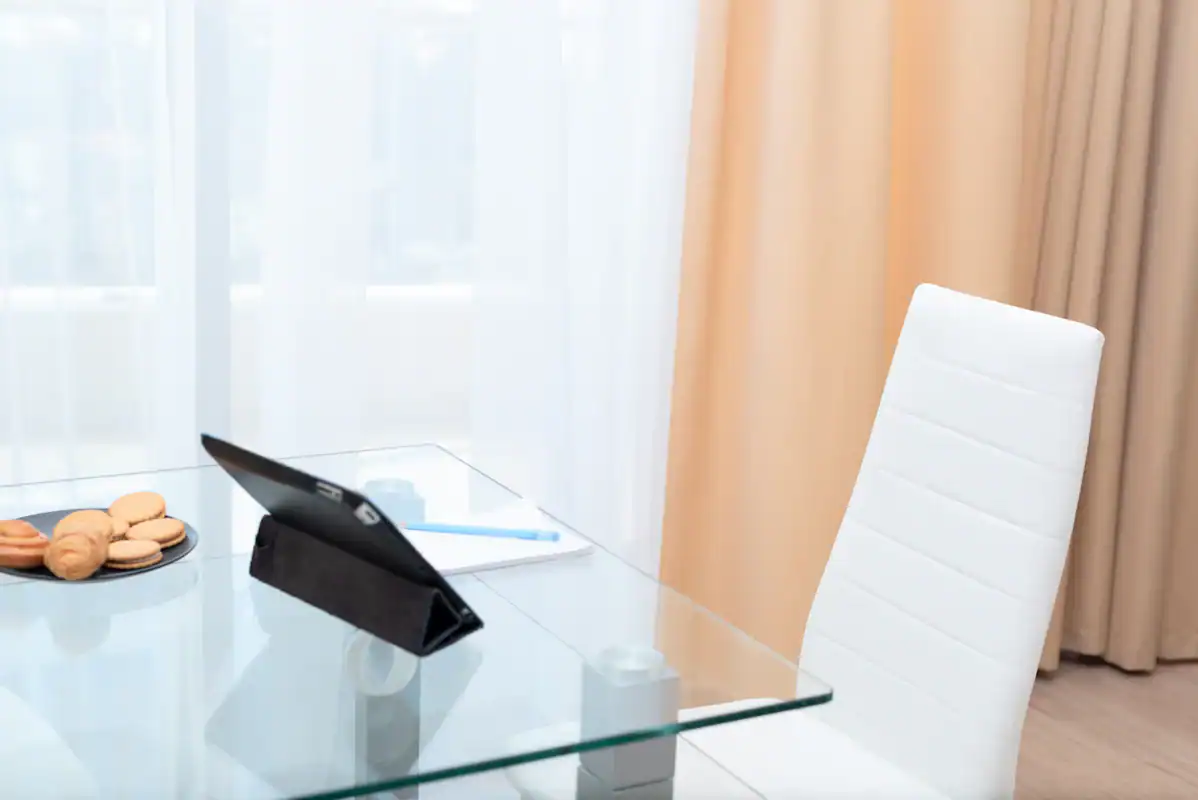
Custom Glass Table Tops Barnum Island
You’re not covering scratches. You’re preventing them. A custom glass table top means your wood furniture stays pristine while you actually use it. No coasters for every glass. No panic when someone sets down a plate. Just a smooth, clear surface that takes the hit so your table doesn’t have to.
The right glass does more than protect. It updates the look of older furniture without refinishing. It lets you see the grain of the wood underneath while keeping it untouched. And if you choose tempered glass—which you should—it’s four to five times stronger than standard glass and breaks into dull pebbles instead of dangerous shards if something goes wrong.
That’s what custom means here. The thickness matches how you’ll use it. The edges are finished so they’re safe and polished. The measurements are exact because we actually come to your home and measure. You end up with glass that fits your table, your space, and how your household actually lives.
Glass Services in Barnum Island, NY
OMG Shower Doors has been fabricating and installing custom glass across Long Island for over twenty years. That includes Barnum Island, Island Park, the South Shore communities, and up through the Hamptons. We specialize in high-end glass projects—shower doors, glass balconies, pool enclosures—and custom glass table tops for homeowners who want precision work.
Every project starts with a detailed consultation and accurate measurements. You get a transparent proposal that breaks down exactly what you’re paying for. No surprise fees. No vague line items. We’re Better Business Bureau certified and hold active memberships in the Long Island Builders Institute and the National Kitchen and Bath Association.
We’re a local business that shows up when we say we will, does the work right, and stands behind it. We’ve worked with some of the finest homes on Long Island because we treat every installation—big or small—like it matters.
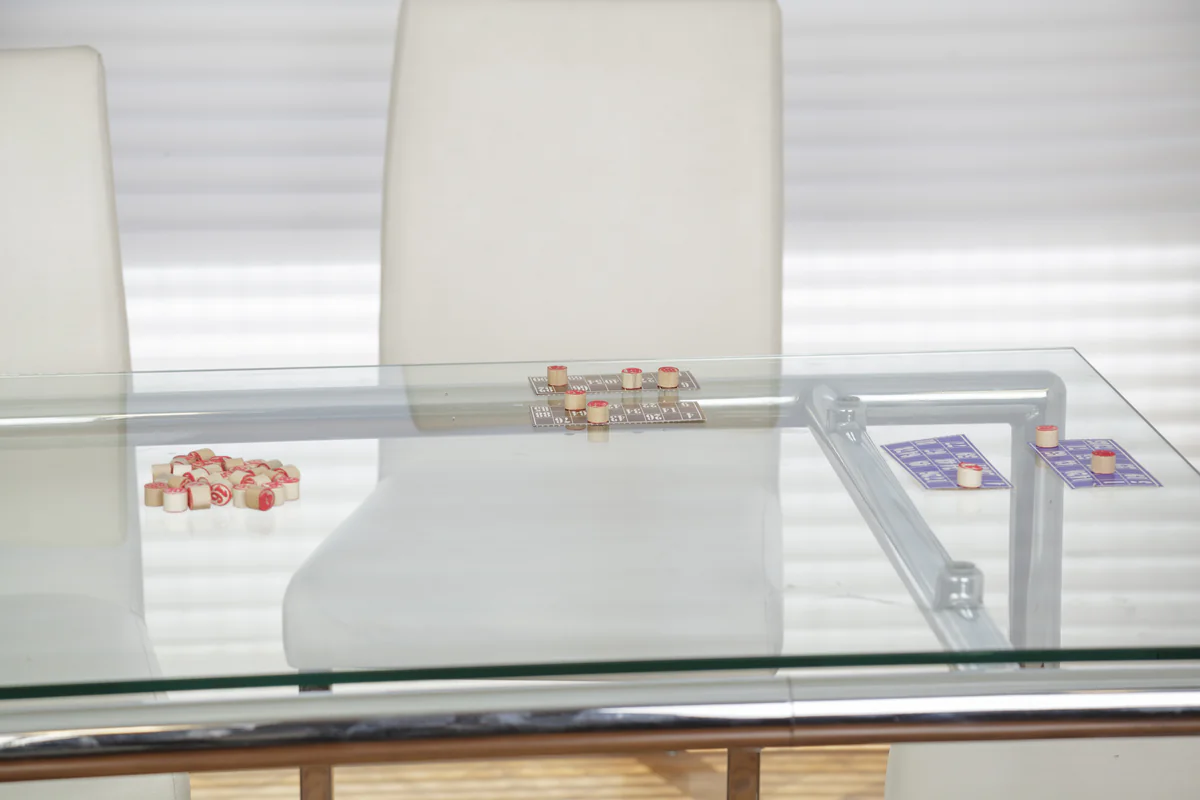
Custom Glass Table Top Installation Process
First, you reach out and describe what you need. What kind of table. What size. Whether it’s protecting an existing surface or serving as the actual tabletop. That initial conversation helps determine whether you need 1/4-inch glass for a protective cover or something thicker like 3/8-inch or 1/2-inch for a standalone surface.
Then we come to your home to measure. Not you with a tape measure—a professional who knows how to account for the table base, the edge style you want, and how the glass will sit. We’ll discuss edge options: flat polished, beveled, rounded. We’ll explain tempered versus annealed glass and why tempered is the safer choice, especially if you have kids or pets.
You receive a detailed proposal. It outlines the glass type, thickness, dimensions, edge work, and cost. Everything is spelled out so you know exactly what you’re getting. Once you approve it, the glass is custom-cut and fabricated at our shop. Then it’s delivered and installed—carefully positioned, checked for fit, and secured properly. We walk you through any care instructions, though high-quality glass table tops are low maintenance. Clean them with mild soap and water, avoid abrasive cleaners, and they’ll last for decades.

Ready to get started?
Durable Glass Table Covers Barnum Island
You’re getting tempered glass that meets ASTM safety standards for furniture applications. That means it’s been heat-treated to increase strength and change how it breaks. If it ever does break—and that’s unlikely—it crumbles into small, dull pieces instead of jagged shards. That matters if you have young children running around or if the table is in a high-traffic area of your home.
The thickness is chosen based on your specific table. For glass that sits on top of an existing wood or metal surface as a protector, 1/4-inch is usually sufficient. For glass that spans a frame and supports weight on its own, you’re looking at 3/8-inch or 1/2-inch. Larger tables—anything over 24 inches—need thicker glass to support their own weight plus dishes, books, or whatever else ends up on them.
Edge finishing is part of the fabrication. Polished edges are smooth and safe to touch. Beveled edges add a decorative angle that catches light. Every edge is finished by hand to ensure there are no sharp spots. Here in Barnum Island and across Nassau County, homeowners often use custom glass table tops to protect antique dining tables, update outdoor patio furniture, or create modern coffee tables with unique bases. The coastal climate means some tables are exposed to humidity and temperature swings, which is another reason tempered glass is the right choice—it handles thermal stress better than standard glass.
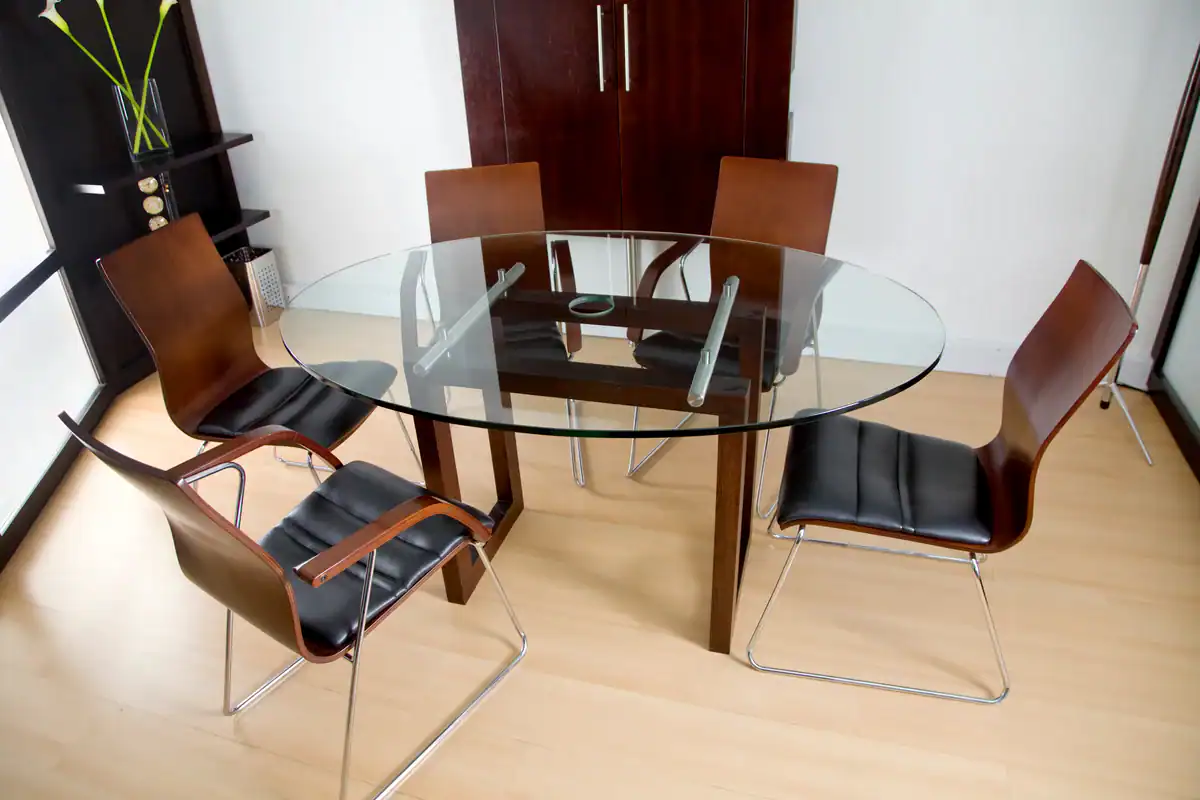
What thickness of glass do I need for my table top?
It depends on how the glass will be used. If you’re placing glass on top of an existing table as a protective cover—say, over a wood dining table you want to preserve—1/4-inch tempered glass is usually enough. It protects the surface from scratches, spills, and daily wear without adding too much weight.
If the glass is going to be the actual table surface—meaning it’s sitting on a frame or base and supporting weight on its own—you need thicker glass. For most tables, 3/8-inch is a good middle ground. It’s sturdy enough to support plates, glasses, and centerpieces without feeling flimsy. For larger tables, especially anything over 24 inches in diameter or width, 1/2-inch glass is recommended. The bigger the span, the more the glass needs to support its own weight plus whatever you put on it.
A professional measurement appointment clears this up fast. We look at your table base, ask how you’ll use it, and recommend the right thickness. That’s better than guessing and ending up with glass that’s either too thin and flexes, or too thick and looks bulky.
Is tempered glass really necessary, or can I use regular glass?
Tempered glass is the safer choice, and it’s what the American Society for Testing and Materials recommends for furniture. Here’s why: tempered glass is four to five times stronger than regular annealed glass. It can handle impacts, temperature changes, and daily use better. But the real advantage is how it breaks.
Regular glass shatters into large, sharp shards that can cause serious cuts—especially dangerous if you have young children. Tempered glass breaks into small, dull, pebble-like pieces that are far less likely to cause injury. If something ever does go wrong—a heavy object dropped on the table, a sharp impact to the edge—tempered glass minimizes the risk.
Some people think regular glass is fine if the table is just decorative or in a low-traffic area. And technically, you can use it. But tempered glass isn’t dramatically more expensive, and the safety benefit is worth it. We won’t even offer regular glass for table tops anymore because the liability isn’t worth it. You’re making an investment either way. Might as well make it the one that won’t send anyone to the emergency room.
Can I put hot dishes or pans directly on a glass table top?
You shouldn’t put anything extremely hot directly on glass, even tempered glass. A warm coffee mug or a plate from the microwave? That’s usually fine. But a pot straight from the stove or a baking dish fresh out of the oven? That’s asking for trouble.
Glass can handle some temperature variation, but extreme and sudden heat can cause thermal shock. That’s when the glass expands too quickly in one spot and cracks or shatters. Tempered glass is more resistant to thermal shock than regular glass, but it’s not invincible. The safest approach is to use a trivet, potholder, or kitchen towel between hot items and the glass surface.
If your glass table is outdoors—like a patio table in Barnum Island where it’s exposed to sun and weather—keep it out of direct, intense sunlight when possible. Gradual temperature changes from morning to evening are fine, but a glass surface that’s been baking in the sun all day and then gets hit with cold water or ice can experience similar stress. It’s just common sense. Treat the glass like you’d treat any quality furniture, and it’ll last for decades without issue.
How do I clean and maintain a custom glass table top?
Cleaning glass table tops is straightforward. Use a soft, lint-free cloth or a non-abrasive sponge with warm water and a few drops of mild dish soap. Wipe down the surface, then dry it thoroughly to avoid water spots. That’s it for regular cleaning.
Avoid abrasive cleaners, scouring pads, or anything with harsh chemicals. Those can scratch the glass or leave a cloudy film that’s hard to remove. For stubborn spots or fingerprints, a glass cleaner designed for windows works fine—just make sure it doesn’t contain ammonia if the glass has any coatings or if it’s near wood furniture that could be damaged by overspray.
If you notice a buildup of grime or residue around the edges, gently clean those areas with a damp cloth. Don’t let water pool around the edges, especially if the glass is sitting on a wood base, because moisture can seep in and cause damage to the underlying furniture. Tempered glass is durable and doesn’t scratch easily, but it’s not indestructible. Avoid dragging heavy or rough objects across the surface. Use placemats or coasters if you want to be extra cautious, though that’s more about protecting the wood underneath than the glass itself.
How long does it take to get a custom glass table top made and installed?
The timeline depends on the complexity of the job and our schedule, but most custom glass table tops are fabricated and installed within one to two weeks. It starts with an in-home consultation and measurement, which usually takes less than an hour. After that, you receive a detailed proposal outlining the specs and cost.
Once you approve the proposal, the glass is custom-cut and fabricated. Standard shapes—rectangles, circles, ovals—are quicker. Unusual shapes or intricate edge work can add a few days. The glass is then tempered if that’s what you’ve chosen, which involves a heat-treatment process that takes additional time but is worth it for the strength and safety benefits.
Installation itself is fast. For most table tops, it’s a matter of carefully placing the glass, ensuring it sits properly on the base, and making any minor adjustments. You’re usually looking at 30 minutes to an hour, depending on the size and setup. If you’re in Barnum Island or nearby on Long Island, we can often work around your schedule and complete the entire process efficiently. The key is working with a company that has the fabrication equipment in-house, so you’re not waiting on third-party suppliers.
Can a custom glass table top be used for outdoor furniture?
Yes, but you need to use tempered glass and take a few precautions. Outdoor furniture is exposed to temperature swings, humidity, direct sunlight, and weather—all of which can stress regular glass. Tempered glass handles those conditions much better because it’s designed to withstand thermal shock and impact.
If you’re putting glass on a patio table in Barnum Island, where you get coastal humidity and seasonal temperature changes, make sure the glass is properly supported. The table base needs to allow for slight expansion and contraction as temperatures fluctuate. Don’t bind the glass too tightly to the frame—it needs a little room to move. Rubber or felt bumpers between the glass and the base help cushion it and prevent direct metal-to-glass contact, which can cause chips.
Keep the glass out of prolonged, intense direct sunlight if possible, or at least be mindful of sudden temperature changes. A glass surface that’s been heating in the sun all afternoon and then gets splashed with cold water can crack. It’s rare, but it happens. Regular cleaning is also important outdoors because dirt, pollen, and salt air can build up and make the glass look cloudy. A quick wipe-down every week or two keeps it clear. Tempered glass used outdoors can last for years—some people report the same patio table glass lasting over two decades—as long as it’s installed correctly and maintained.
Other Services we provide in Barnum Island