Glass Table Tops in Bayport, NY
Protect What Matters Without Compromising Style

Hear from Our Customers
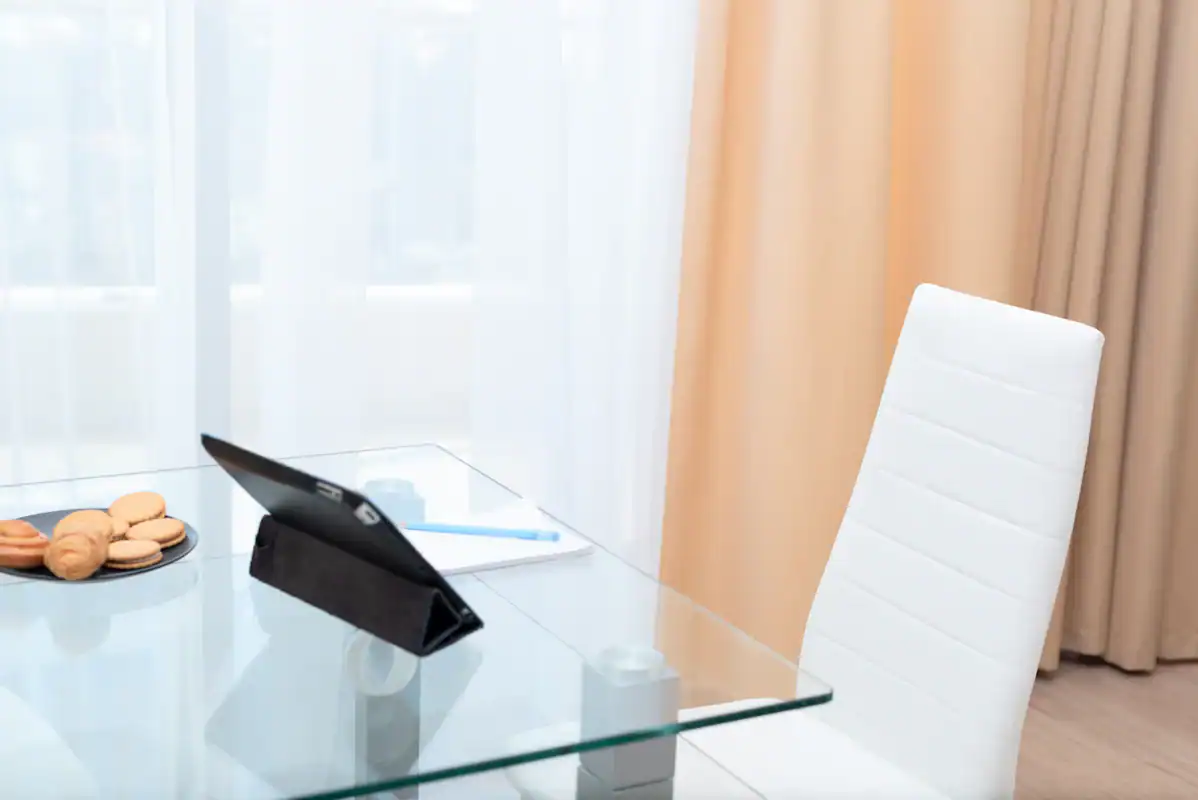
Custom Glass Table Tops Bayport
You’ve invested in furniture that means something to you. Maybe it’s a family heirloom dining table, a custom desk, or an outdoor patio set that sees constant use. The last thing you want is water rings, scratches, or sun damage slowly wearing it down.
A properly fitted glass table top stops that damage before it starts. Tempered glass handles daily use without showing wear. It’s four times stronger than regular glass, and if something does happen, it breaks into dull pebbles instead of dangerous shards.
The right thickness matters. Too thin and you’re constantly worried. Too thick and it looks bulky or costs more than necessary. You need someone who knows the difference and can walk you through it without the runaround.
Glass Services Bayport NY
We’ve been fabricating custom glass solutions across Long Island for over 20 years. That includes Bayport homes, where precision and quality aren’t negotiable.
We hold Better Business Bureau certification and maintain active membership in the Long Island Builders Institute and the National Kitchen and Bath Association. We’re not new to this. We’ve worked with the Hamptons’ finest homes and top contractors who expect things done right.
Every project gets the same process: accurate measurement, transparent pricing, expert fabrication, and careful installation. Military members, veterans, and first responders receive meaningful discounts because that’s how we operate.
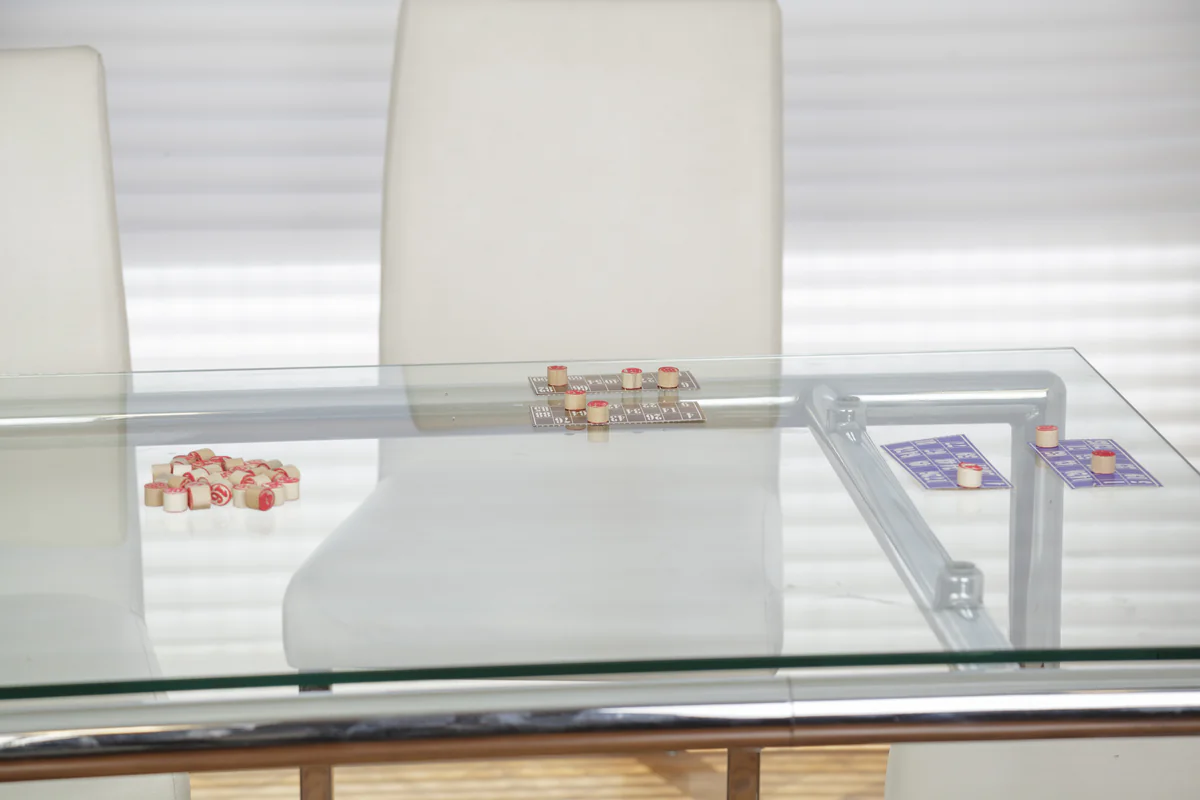
Glass Table Top Installation Process
First, you reach out with details about what you need. Maybe you have measurements already, or maybe you’re not sure where to start. Either way, we schedule a consultation to understand the project.
A technician comes to your Bayport location to take precise measurements. This isn’t a guess-and-hope situation. We measure the table base, discuss thickness options based on how you’ll use it, and explain edge styles that make sense for your space.
Once you approve the quote, fabrication begins. The glass is cut to your exact specifications in our controlled facility. Edge work gets completed—whether that’s a polished edge, beveled finish, or pencil edge. If you’re going with tempered glass for safety, that process happens before any cutting.
Installation is scheduled at your convenience. We deliver and secure the glass properly, whether that means rubber bumpers for a protective cover or a more permanent attachment method for a standalone table. You’re walked through care instructions, and that’s it.

Ready to get started?
Durable Glass Table Covers Bayport
You choose the thickness based on your table’s purpose. A quarter-inch works for protective covers over existing wood or metal tables. Three-eighths to half-inch suits dining tables and desks that see regular use. Larger tables or standalone glass tops often need half-inch to three-quarter-inch for proper support.
Edge options include flat polished, pencil polished, and beveled edges. Flat polished gives you clean, modern lines. Pencil edges are rounded and safer for homes with kids. Beveled edges catch light and add a formal touch to dining or conference tables.
Glass types include clear, low-iron for extra clarity, tinted, and frosted. Tempered glass is standard for safety and strength. You can also get custom shapes—round, oval, rectangular, or irregular cuts to match unique table bases.
Bayport’s coastal climate means outdoor furniture takes a beating. Salt air, humidity, and temperature swings damage wood and metal over time. A tempered glass top on your patio table protects the base while standing up to the elements. It’s easier to clean than most outdoor materials and doesn’t fade or warp like traditional patio surfaces common in waterfront Long Island communities.
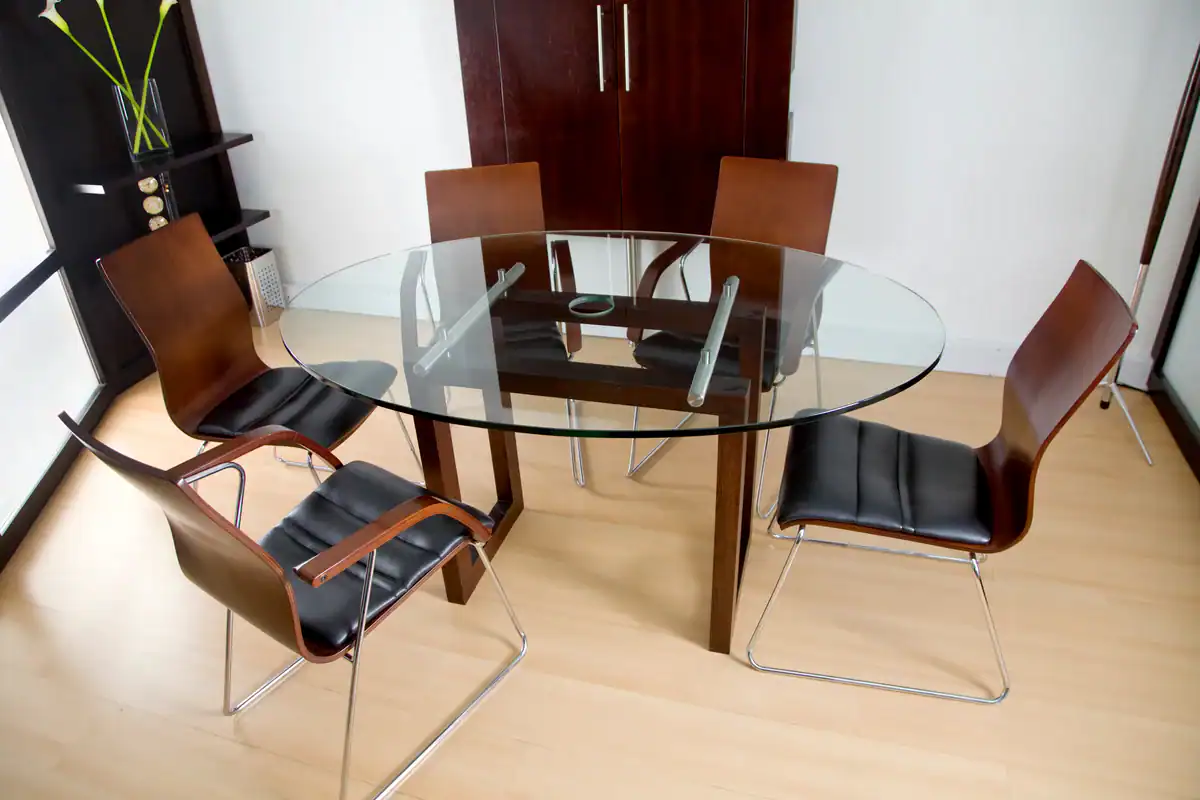
What thickness of glass do I need for my dining table?
For most dining tables, three-eighths to half-inch thickness is the right call. That range gives you durability without excessive weight or cost. If your table has a full frame supporting the edges, three-eighths inch works fine. If the glass sits on pedestal legs or has unsupported spans, go with half-inch.
The size matters too. Smaller dining tables under 48 inches can sometimes use three-eighths inch. Larger tables over 60 inches should use half-inch minimum. If you’re planning to regularly place heavy serving dishes or if the table gets constant use, half-inch is the safer choice.
Tempered glass is non-negotiable for dining tables. It’s four times stronger than regular glass and meets safety standards for furniture applications. The tempering process makes it heat-resistant too, so hot dishes won’t cause thermal shock.
Can you cut glass to fit an odd-shaped table?
Yes. Custom glass cutting handles irregular shapes, curved edges, and unique dimensions. The process starts with either a template or precise measurements of your table base. For complex shapes, a technician creates a pattern on-site to ensure accuracy.
You can trace the outline of your table on paper or cardboard and provide that as a template. Our fabrication team transfers those measurements to the cutting process. For tables with rounded corners or unusual angles, professional measurement eliminates guesswork.
Curved glass is also possible but involves a different process and cost structure. Standard custom cutting covers most residential needs—ovals, rectangles with rounded corners, kidney shapes, or freeform designs. The key is accurate measurement upfront so the glass fits correctly the first time.
How do you attach glass to a table without it sliding around?
The attachment method depends on whether the glass is a protective cover or a standalone tabletop. For protective covers over existing tables, clear rubber bumpers work well. These small adhesive pads sit between the glass and the table surface, preventing movement without permanent attachment.
For standalone glass tabletops on metal or wood bases, you need a more secure method. Glass top adapters attach to the underside of the glass with epoxy, then bolt to the table base. This creates a stable connection that handles daily use.
Wooden table bases sometimes use silicone adhesive applied at contact points. The adhesive flexes slightly as wood expands and contracts with humidity changes, preventing stress on the glass. Metal bases often require adapters or high-quality adhesive that cushions the glass while providing support. Professional installation ensures the right method for your specific table design.
Is tempered glass worth the extra cost for a table top?
For any table that sees regular use or has safety concerns, tempered glass is worth it. The strength difference is significant—tempered glass is four times stronger than standard annealed glass. It resists impacts, handles temperature changes, and supports more weight.
The real value shows up if breakage occurs. Tempered glass shatters into small, relatively harmless pebbles instead of large, sharp shards. In homes with children or high-traffic areas, that safety feature matters. For outdoor patio tables exposed to weather and temperature swings, tempered glass is essentially required.
The cost difference isn’t dramatic for most residential applications. You’re paying for heat treatment during fabrication, which strengthens the molecular structure of the glass. That upfront cost beats replacing broken glass or dealing with injury risks down the line.
How long does it take to get a custom glass table top?
From initial measurement to installation, expect one to three weeks for most custom glass table tops. The timeline depends on complexity, size, and whether you’re ordering tempered glass, which requires additional processing time.
The measurement appointment happens within a few days of your initial contact. Once you approve the quote, fabrication begins. Standard cuts with polished edges typically take one to two weeks. Tempered glass adds processing time because the glass must be cut and finished before the tempering process—you can’t modify tempered glass after treatment.
Complex shapes, beveled edges, or custom tinting may extend the timeline slightly. Rush orders are sometimes possible for simpler projects, but proper fabrication shouldn’t be rushed. The goal is precision, not speed. You’ll receive a specific timeline when you approve your quote so you know exactly when to expect delivery and installation.
Can glass table tops be used outdoors in Bayport's climate?
Absolutely, but you need tempered glass and proper thickness. Bayport’s coastal location means salt air, humidity, and temperature fluctuations. Tempered glass handles these conditions far better than standard glass because it’s heat-treated to resist thermal stress and impact.
For outdoor patio tables, half-inch tempered glass is the standard recommendation. It supports outdoor furniture weight, resists wind pressure, and stands up to temperature changes between seasons. Thinner glass can crack from thermal expansion or impact from outdoor elements.
Maintenance is straightforward—regular cleaning with glass cleaner prevents salt buildup and keeps the surface clear. Tempered glass doesn’t fade, warp, or deteriorate like wood or fabric outdoor furniture. It’s one of the most durable options for Long Island’s coastal environment, especially in waterfront communities like Bayport where exposure to the elements is constant. Just make sure the table base itself is rated for outdoor use so the entire setup lasts.
Other Services we provide in Bayport