
Glass Table Tops in Greenport West, NY
Protect Your Furniture Without Hiding Its Beauty

Hear from Our Customers
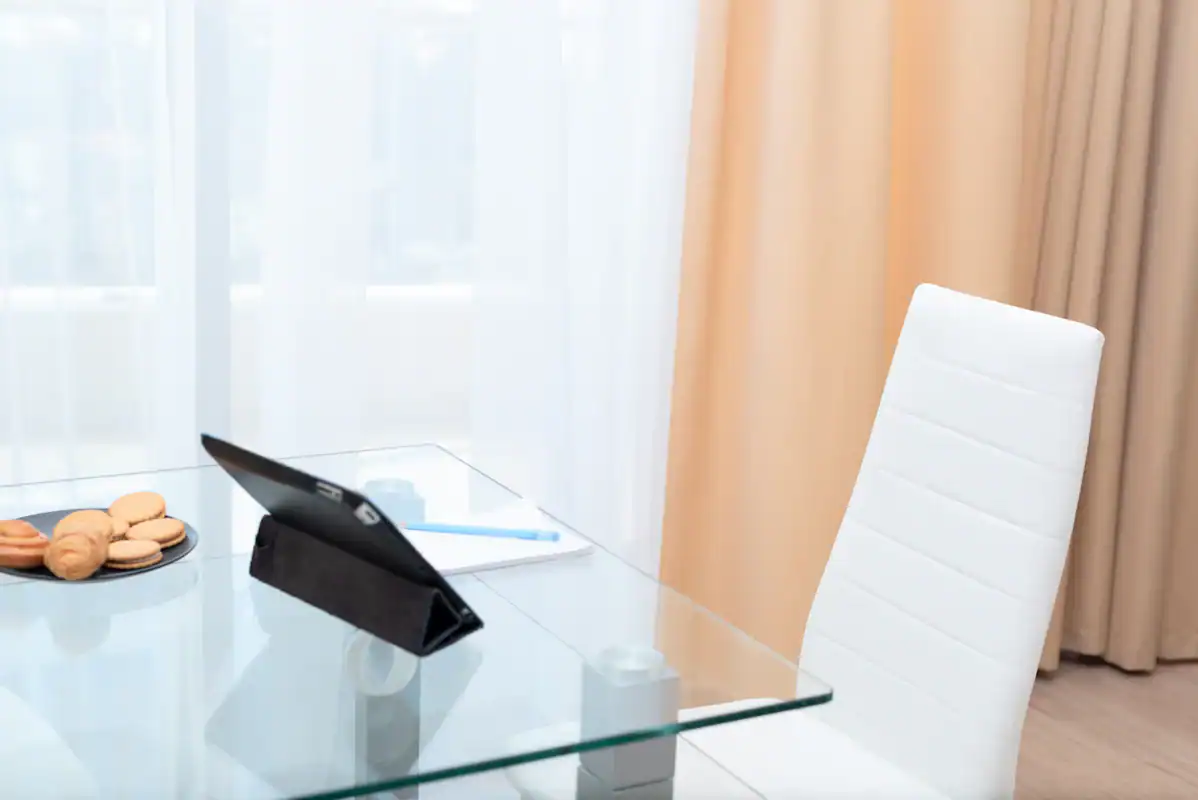
Custom Glass Table Tops Greenport West
Your dining table has seen better days. Water rings from dinner parties. Scratches from keys and bags. Maybe sun damage near the window. You’ve thought about refinishing it, but that’s expensive and you’d lose the original character. Or maybe you just want to protect a piece that’s still perfect—an antique passed down, a custom wood table you paid good money for, or marble that cost more than you’d like to admit.
A custom glass table top does exactly what you need it to do. It protects the surface underneath from everything daily life throws at it. Spills wipe up in seconds. Scratches don’t happen. The wood, marble, or whatever’s underneath stays untouched.
And because it’s glass, it doesn’t hide anything. You still see the grain, the color, the details that made you love that piece in the first place. It just looks cleaner, more finished, and a lot more intentional. Rooms feel bigger too—glass reflects light instead of absorbing it, so spaces open up visually without adding bulk.
Glass Services Greenport West NY
We’ve been handling custom glass projects in Greenport West, NY and across Long Island for over 20 years. That includes everything from frameless shower doors to glass balconies—and yes, glass table tops that actually fit right and hold up over time.
We work with homeowners in the Hamptons, contractors on high-end builds, and plenty of people who just want their furniture protected without the hassle. What sets us apart isn’t flashy marketing. It’s our process: transparent proposals, accurate measurements, clear communication, and installations that don’t leave you second-guessing.
We’re BBB certified, active in the National Kitchen and Bath Association, and sponsor local events like the LIBI breast cancer walkathon. If you’re military, a veteran, or a first responder, we offer meaningful discounts. Every project—big or small—gets the same level of attention because that’s how we’ve built a reputation that’s lasted two decades.
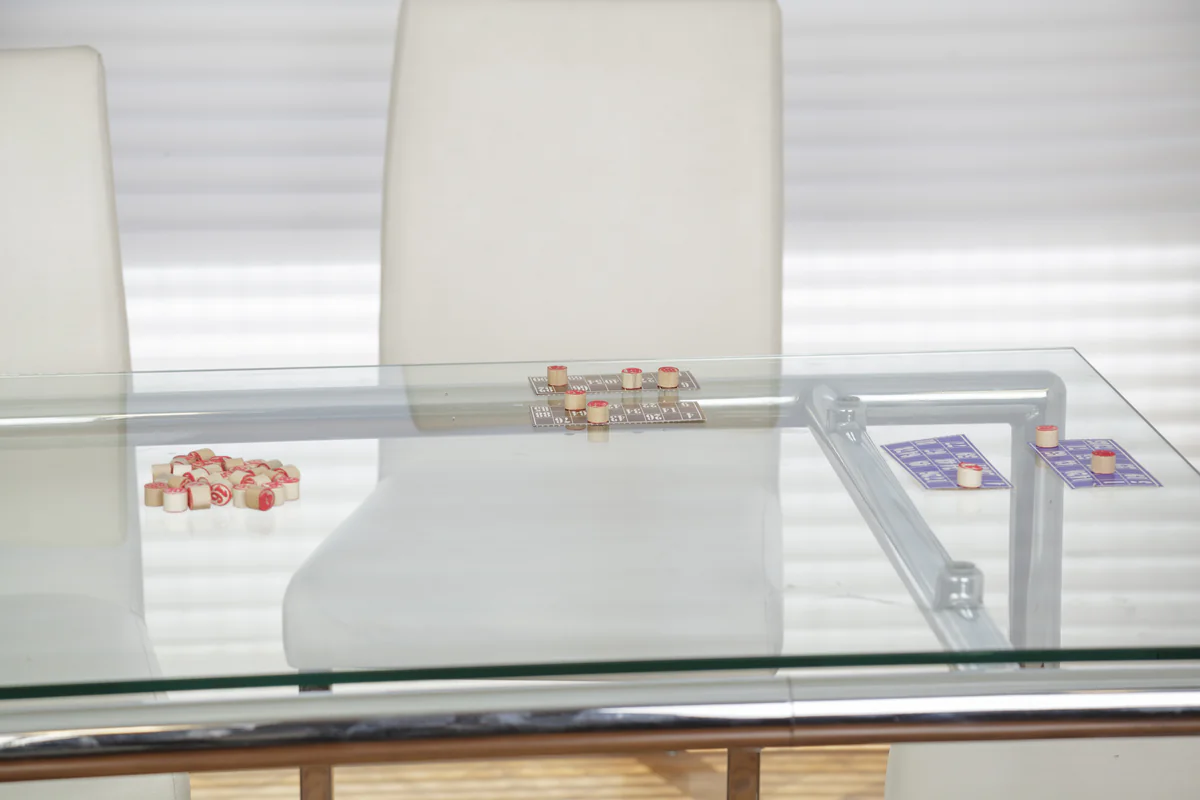
Glass Table Top Installation Process
First, you reach out. Whether you know exactly what you want or you’re still figuring out thickness and edge style, we walk you through it. We’ll ask about your table—size, shape, what it’s made of, how you use it. That determines thickness. A protective cover over wood? Quarter-inch works. A glass surface sitting on a pedestal base? You’re looking at 3/8″ or 1/2″ tempered glass for safety and strength.
Next comes measurement. This isn’t a guess-and-cut situation. We come to you, measure in person, and often trace the corners if the shape is unusual. Precision matters here because once glass is tempered, it can’t be cut or adjusted. You get one shot, so it better be right.
Then fabrication happens. The glass is cut to your exact specs, edges are finished—flat polish, beveled, pencil, whatever suits the look—and if you’ve chosen tempered glass (which is smart), it goes through a heating and rapid-cooling process that makes it four to five times stronger than regular glass. If it ever breaks, it crumbles into dull pieces instead of dangerous shards.
Finally, installation. The glass gets delivered, placed carefully on your table with protective bumpers or spacers to prevent direct contact and allow airflow. Everything’s checked for level and fit. You’re done. Your furniture is protected, your space looks cleaner, and you didn’t have to gamble on measurements or durability.

Ready to get started?
Durable Glass Table Covers Greenport West
Every glass table top is custom-cut to your dimensions. Round, square, rectangular, oval—whatever shape your table is, the glass matches it. You choose thickness based on how the table is built and how much weight it needs to support. You pick the edge finish that fits your style. And you decide whether you want tempered glass, which is the safer, stronger option and the one most people go with.
In Greenport West, NY, where home values are high and furniture is often an investment, this service makes sense. You’re not replacing a $3,000 dining table because it has a few scratches. You’re protecting it so it lasts another 20 years. Or you’re adding a glass top to a vintage piece so it’s functional again without losing its character.
The glass itself is easy to maintain. A damp cloth and glass cleaner keep it spotless. It doesn’t absorb stains, trap bacteria, or show wear the way wood does. It’s also environmentally friendly—glass is recyclable, and because it lasts so long, you’re not replacing it every few years like cheaper alternatives.
We source high-quality glass products and handle the entire process locally. No middlemen, no shipping nightmares, no wondering if the measurements will be off. You work with people who’ve done this thousands of times, in homes just like yours, for clients who expect it done right.
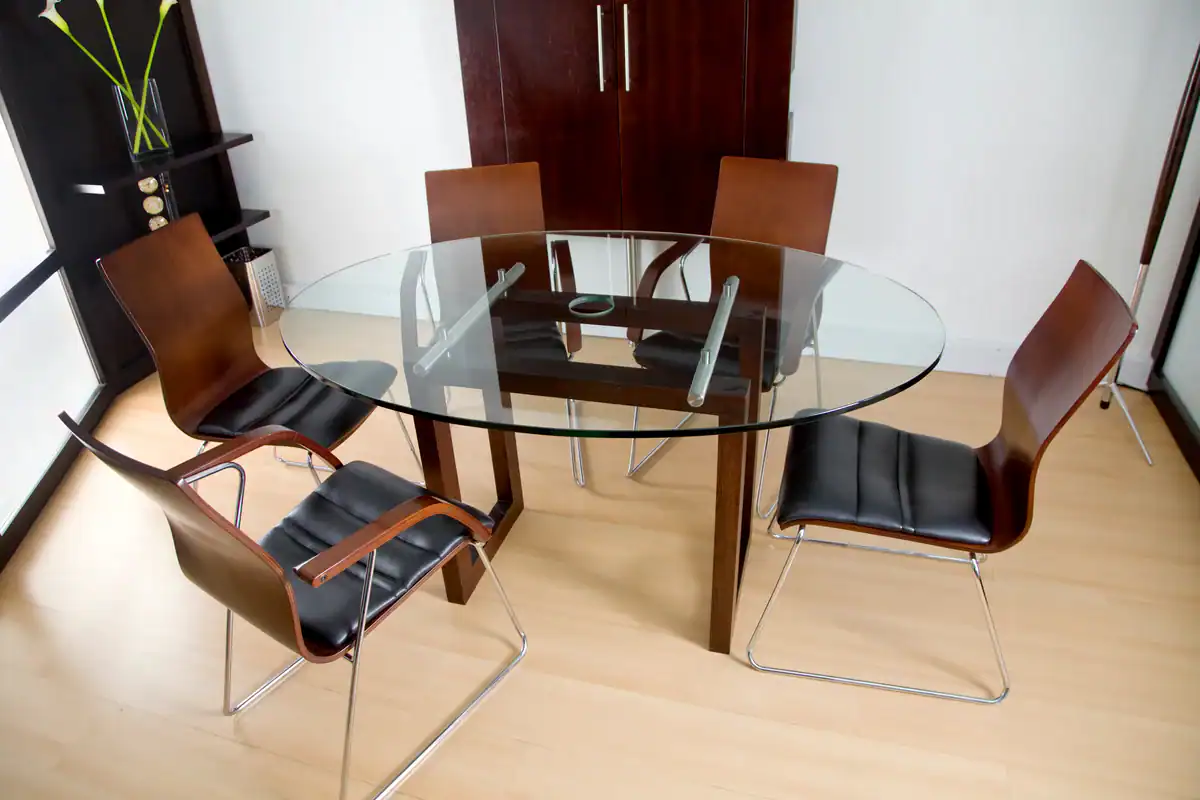
What thickness of glass do I need for my table top?
Thickness depends entirely on how your table is built and how you plan to use it. If the glass is sitting on top of an existing surface—like a wood dining table or a dresser—and it’s just there to protect what’s underneath, a quarter-inch thickness is usually enough. It’s strong enough to handle daily use, light enough to move if needed, and won’t add unnecessary weight or cost.
If the glass is the actual table surface—meaning it’s resting on a pedestal base or a frame with no solid support underneath—you need thicker glass. For tables up to 48 inches, 3/8-inch tempered glass works well. For anything larger, or if the table gets heavy use (think family dinners, kids doing homework, serving platters), go with half-inch. Thicker glass provides the structural support needed to handle weight without flexing or feeling unstable.
Tempered glass is almost always the better choice regardless of thickness. It’s heat-treated to be four to five times stronger than regular glass, and if it ever does break, it shatters into small, dull pieces instead of sharp shards. That’s a big deal if you have guests over, kids around, or just want peace of mind. We’ll walk you through thickness options based on your specific table and how you use it, so you’re not guessing.
Can you cut glass table tops into custom or unusual shapes?
Yes, but the shape has to be finalized before the glass is tempered. Glass can be cut into just about any shape you need—round, oval, rectangular, square, or something completely custom like a kidney shape or a table with rounded corners. The key is getting the measurements and shape locked in upfront, because once glass goes through the tempering process, it can’t be cut, drilled, or altered in any way.
That’s why accurate measurement is so important. For standard shapes, it’s straightforward—length, width, maybe a corner radius. For unusual shapes, the process usually involves tracing the edge of the table onto sturdy paper or providing a CAD file if you have one. Some people even trace the corners and provide length and width, and that’s enough for a skilled fabricator to work with.
If your table has any special features—like a hole for an umbrella on a patio table, or a cutout for cables on a desk—that also has to be planned before fabrication. We handle custom shapes regularly, especially for clients with unique furniture pieces or antique tables that don’t fit standard dimensions. We’ll come to you, take the measurements in person, and make sure the final product fits exactly as it should. No guessing, no gaps, no “close enough.”
Is tempered glass necessary or can I use regular glass?
You can use regular glass, but tempered is almost always the smarter move. Regular glass—called annealed glass—is fine for low-risk situations, like a small protective cover on a nightstand that doesn’t see much action. But for dining tables, coffee tables, desks, or anything that gets daily use, tempered glass is worth it.
Here’s why: tempered glass is heat-treated in a way that makes it significantly stronger. It can handle more weight, resist impacts better, and withstand temperature changes without cracking. If you set down a hot dish or a cold drink, tempered glass won’t flinch. Regular glass is more fragile and more likely to crack under stress.
The bigger reason to go tempered is safety. If regular glass breaks, it shatters into large, jagged pieces that can cause serious injury. Tempered glass breaks into small, dull cubes that are far less dangerous. If you have kids, pets, or just a busy household with people coming and going, that’s a major advantage. Even if you don’t, accidents happen—something gets dropped, someone leans too hard, a chair bumps the edge. Tempered glass gives you a much better outcome if the worst happens. It costs a bit more upfront, but the peace of mind and durability make it the standard choice for most table tops.
How do you measure for a custom glass table top?
Measurement starts with understanding what you’re working with. For a simple rectangular or square table, it’s straightforward—length and width, measured at the points where the glass will sit. If the glass is going to rest on top of an existing surface, you measure the dimensions you want the glass to cover. If it’s replacing a broken piece or fitting into a frame, you measure the opening.
For round or oval tables, you measure the diameter at the widest points. If the table has rounded corners or an unusual shape, that’s where things get more detailed. Often, the best approach is to trace the edge of the table onto a large piece of sturdy paper or cardboard. That gives us an exact template to work from, which eliminates guesswork and ensures a perfect fit.
If you’re not confident measuring yourself, that’s completely fine—and honestly, it’s usually better to have a professional do it. We’ll send someone out to measure in person. We’ll account for any quirks in the table’s shape, check for level, and confirm the thickness and edge style that makes sense for your setup. Because glass can’t be adjusted after it’s tempered, getting the measurements right the first time is critical. One small error and you’re stuck with glass that doesn’t fit. That’s why most people opt for professional measurement—it’s not worth the risk of getting it wrong.
How do I clean and maintain a glass table top?
Glass table tops are one of the easiest surfaces to maintain, which is part of why people choose them in the first place. For regular cleaning, all you need is a soft, clean cloth and either water or a standard glass cleaner. Spray it on, wipe it down, and you’re done. No special products, no complicated process.
If you want to avoid streaks, use a microfiber cloth and wipe in one direction instead of circular motions. Some people prefer a mix of water and white vinegar instead of commercial cleaners—it works just as well and doesn’t leave residue. For stubborn spots like dried food or sticky fingerprints, a damp cloth with a little dish soap usually does the trick. Just avoid abrasive scrubbers or harsh chemicals, which can scratch or dull the surface over time.
To keep your glass looking its best, use coasters for drinks and placemats or trivets for hot dishes. Even though tempered glass can handle heat better than regular glass, it’s still smart to protect the surface. If your glass sits directly on wood or another material, make sure there are small rubber bumpers or felt pads between the glass and the base. This prevents the glass from shifting, reduces the risk of chipping, and allows air to circulate so moisture doesn’t get trapped underneath. Beyond that, glass table tops are low-maintenance. They don’t stain, they don’t absorb spills, and they don’t show wear the way wood or other materials do. A quick wipe-down after meals and you’re good to go.
Will a glass table top make my room look bigger?
Yes, and it’s one of the reasons people choose glass even when they’re not trying to protect furniture. Glass is transparent, which means it doesn’t visually block space the way a solid wood or metal table does. When light hits glass, it passes through and reflects around the room instead of being absorbed. That makes the space feel more open and less cluttered, especially in smaller rooms or areas with limited natural light.
This effect is particularly noticeable in dining rooms or living rooms where the table is a focal point. A heavy wood table can anchor a space, but it can also make a room feel crowded. A glass table top—whether it’s a full glass table or a protective cover over wood—creates a lighter, airier feel. You still get the function of the table, but it doesn’t dominate the room visually.
In Greenport West, NY, where many homes balance traditional architecture with modern updates, glass table tops offer a way to keep spaces feeling elegant without adding visual weight. If you’re working with a smaller dining area or an open-concept layout where you don’t want furniture to chop up the sightlines, glass is a smart choice. It also works well if you have a beautiful rug or flooring you want to showcase—glass lets you see what’s underneath instead of covering it up. The transparency doesn’t just make the room look bigger; it makes the whole space feel more intentional and less cluttered.
Other Services we provide in Greenport West