
Glass Table Tops in Lawrence, NY
Protect Your Furniture Without Hiding Its Beauty

Hear from Our Customers
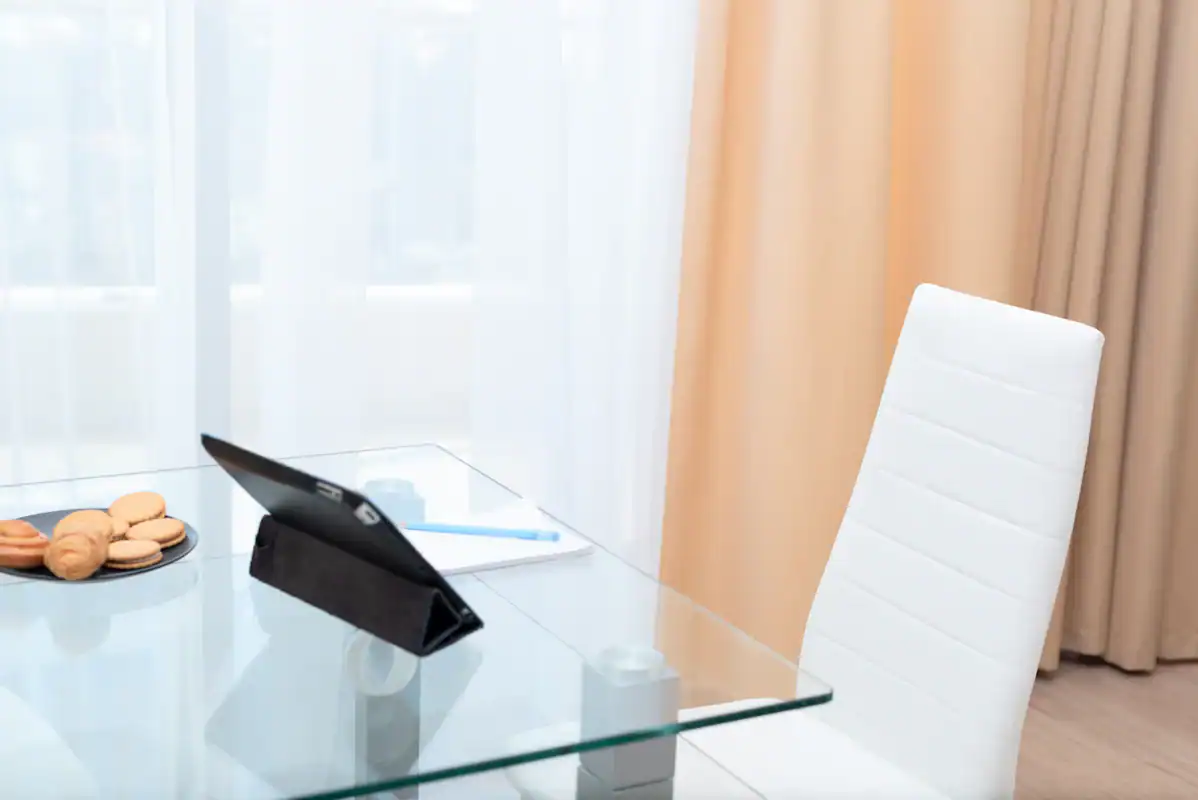
Custom Glass Table Tops Lawrence
You’ve invested in quality furniture. Now you’re watching it take a beating from everyday life—water rings from glasses, scratches from keys and phones, heat marks from hot dishes. Every little ding makes you wince because you know what that table cost.
A custom glass table top gives you actual protection without turning your furniture into something it’s not. The wood grain still shows. The craftsmanship is still visible. But now there’s a barrier between daily life and the surface you paid good money for.
Tempered glass is stronger than you think. It handles the coffee cups, the laptop, the dinner plates, the homework sessions. When someone inevitably spills red wine or sets down something too hot, you’re not scrambling for furniture polish and hoping for the best. You’re wiping it clean and moving on with your day.
Glass Services in Lawrence, NY
We’ve been serving Lawrence and the broader Long Island area for over 20 years. The work speaks for itself—high-quality glass products and custom solutions for some of the Hamptons’ finest homes and the contractors who build them.
What matters here is precision. Lawrence homeowners don’t settle for close enough, and neither do we. Every measurement is verified. Every cut is exact. Every installation is done right the first time because that’s what the job requires.
Certified by the Better Business Bureau and active members of LIBI and the National Kitchen and Bath Association, we operate with transparency you won’t find everywhere. You get clear proposals, straightforward communication, and work that’s backed by people who’ve been doing this long enough to know what actually matters. Military, veterans, and first responders get meaningful discounts—not token gestures, actual savings.
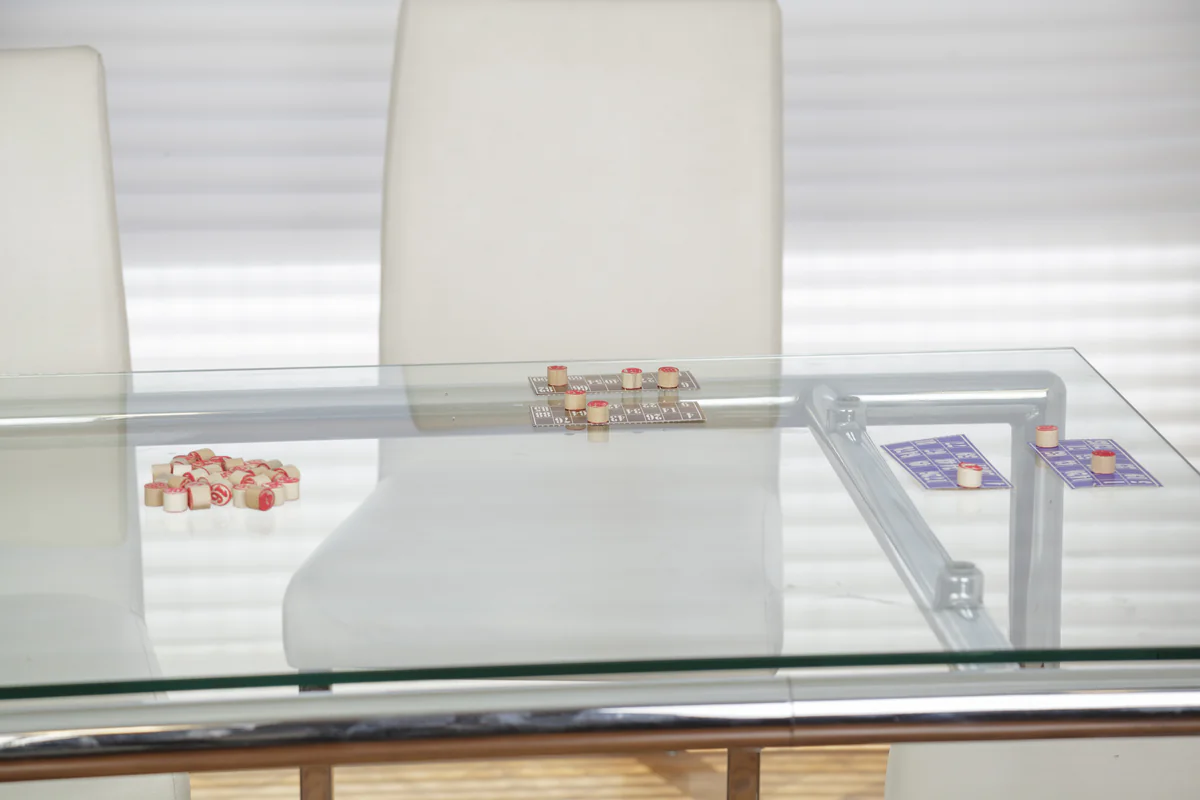
Custom Glass Table Top Installation
It starts with measurements. You can take them yourself if you’re confident, or we come out to measure in person. Either way, accuracy matters here because custom means custom—there’s no fudging a quarter inch.
Once measurements are confirmed, you’ll choose your glass type and thickness. Tempered glass is the standard recommendation because it’s significantly stronger than regular glass and safer if it ever breaks. Thickness depends on how the surface gets used—lighter glass for a dresser top, heavier glass for a dining table that sees daily action.
Edge finishing comes next. Pencil polished edges blend seamlessly with furniture. Beveled edges add a decorative touch. Flat polished edges highlight the glass thickness if that’s the look you want. Each option serves a purpose beyond aesthetics.
The glass gets cut to your exact specifications, edges are finished, and then it’s delivered and installed. If you’re using it as a protector over existing furniture, installation is simple—the glass sits on top, held in place by clear bumpers that keep it from sliding. If you’re replacing a broken table top, the installation process depends on your table’s design, but we’ve seen enough variations to handle whatever you’ve got.
You’ll know the timeline upfront. You’ll know the cost before any work starts. No surprises, no upselling once the project begins.

Ready to get started?
Durable Glass Table Covers Lawrence
Custom glass table tops in Lawrence aren’t one-size-fits-all. We cut each piece to your exact dimensions, whether that’s a standard rectangle, an oval dining table, or something with an unusual shape that requires a template.
Tempered glass is the material of choice for a reason. It’s four to five times stronger than standard glass, which means it holds up to daily use without showing wear. If it does break—which takes significant force—it shatters into small, dull pieces instead of dangerous shards. That’s not just a nice feature when you have kids or pets around; it’s essential.
Thickness options range from 3/16 inch up to 1/2 inch. Thinner glass works fine for surfaces that don’t see heavy use, like a nightstand or decorative table. Thicker glass is what you want for kitchen tables, desks, and coffee tables that handle the daily grind. The difference in durability is real, and it’s worth getting right based on how you actually use the furniture.
Lawrence homeowners often choose durable glass table covers for more than just protection. They’re dealing with the same sun exposure that fades furniture in south-facing rooms, especially in homes near the water where light reflects intensely. Tinted glass options provide UV protection that keeps wood from losing its color over time. And because Lawrence homes often feature quality furniture worth protecting—the kind you see in Five Towns residences where design matters—the investment in proper glass coverage makes financial sense compared to refinishing or replacing pieces down the line.
The glass services don’t stop at cutting and installation. You get guidance on which thickness works for your specific use case, which edge treatment matches your furniture style, and whether clear or tinted glass makes more sense for your space. It’s consulting, not just fabrication.
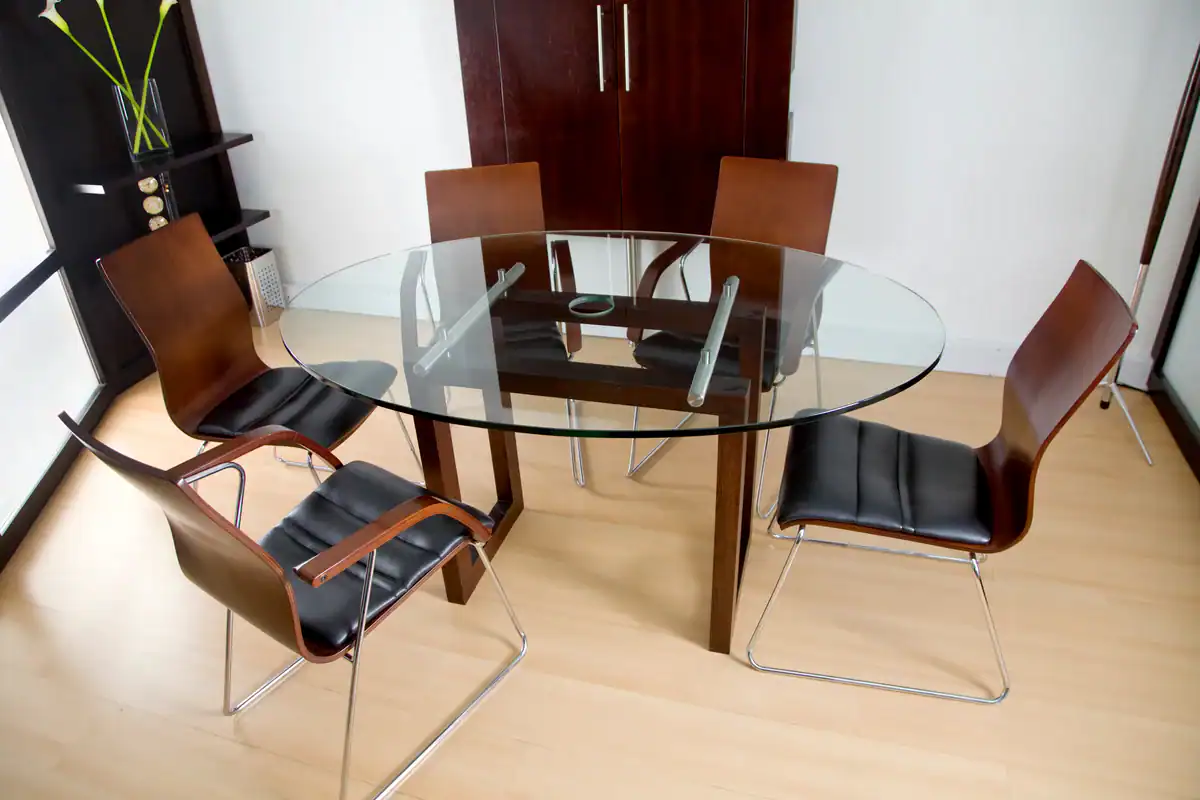
How thick should my glass table top be for everyday use?
Thickness depends entirely on how much use the surface sees. For light-duty applications like dresser tops, nightstands, or decorative tables, 3/16 inch to 1/4 inch tempered glass provides adequate protection without feeling heavy or excessive.
For surfaces that get used daily—dining tables, kitchen tables, desks, coffee tables—you want 3/8 inch to 1/2 inch thickness. This isn’t about overbuilding; it’s about matching the glass to the actual wear it’ll experience. Thicker glass handles the weight of dishes, laptops, books, and everything else that lands on these surfaces without flexing or showing stress over time.
Tempered glass at any thickness is stronger than regular glass, but the thickness itself matters for durability and longevity. If you’re protecting an expensive piece of furniture, don’t cheap out on thickness. The cost difference is minimal compared to the protection you’re getting, and you’ll notice the difference in how the glass performs over years of use.
Will the glass table top hide the wood grain or change how my furniture looks?
Clear tempered glass is just that—clear. You’ll see the wood grain, the finish, any decorative details, all of it. The glass sits on top as a protective layer, not a cover-up.
If you want the glass to blend even more seamlessly, ultra-clear glass has less of the slight green tint that standard clear glass can show around the edges. For darker wood furniture, some people prefer a lightly tinted or smoked glass that blends with the wood tone while still showing the grain and character of the piece.
The edge finish also affects the final look. Pencil polished edges are slightly rounded and tend to disappear visually, making the glass feel like part of the furniture rather than an add-on. Beveled edges are more decorative and draw the eye. Flat polished edges highlight the thickness of the glass if that’s a design element you want to feature. None of these options hide your furniture—they just change how the glass itself appears and interacts with light.
Can you cut glass to fit an unusual table shape or size?
Yes. Custom means custom, whether that’s a standard rectangle, an oval, a racetrack shape, or something completely unique to your furniture. We’ve been fabricating custom glass for over two decades, so odd shapes and specific dimensions are routine.
For more complex shapes, a template might be necessary to ensure accuracy. This involves creating a precise pattern of your table’s surface before cutting the glass. It’s an extra step, but it guarantees the fit is exact, which matters when you’re dealing with curves, angles, or irregular edges.
If you’re not sure whether your table qualifies as “unusual,” just ask. We’ve seen enough furniture variations over the years that very little surprises us. What matters is getting the measurements right so the glass fits your surface perfectly, regardless of shape. That’s the whole point of custom work—making something that actually fits what you have, not forcing you to adapt to standard sizes.
How do I maintain and clean a glass table top once it's installed?
Glass table tops are low maintenance compared to wood or other materials. Standard glass cleaner and a lint-free cloth handle most cleaning. Spray, wipe, done. No special products, no elaborate care routine.
For daily maintenance, a damp microfiber cloth works fine to remove dust and light smudges. For a streak-free finish, glass cleaner or a mix of water and vinegar does the job. Some people prefer using crumpled newspaper or coffee filters instead of cloth because they don’t leave lint behind.
The one thing to watch for is using too much cleaner, which can leave residue or streaks. A light spray is enough. If your glass is set on wood furniture, keep the cleaner on the glass itself—don’t let it pool around the edges where it might drip onto the wood finish. Beyond that, glass table tops require far less upkeep than the furniture they’re protecting, which is part of why they make sense in the first place.
Is tempered glass really necessary, or can I use regular glass?
Tempered glass is the right choice for table tops, and here’s why. It’s four to five times stronger than regular annealed glass, which means it resists scratches, impacts, and the daily wear that comes from actual use. Regular glass might save you a few dollars upfront, but it’s not built for the job.
The safety factor matters too. If tempered glass does break—and it takes significant force—it shatters into small, dull pieces instead of large, sharp shards. That’s a real consideration if you have kids, pets, or just want to avoid a dangerous cleanup situation. Regular glass breaks into jagged pieces that can cause serious injury.
Tempered glass is also more heat resistant, which matters if you’re protecting a dining table or coffee table where hot dishes and mugs land regularly. The tempering process involves extreme heating and rapid cooling, which changes the glass structure and makes it more durable overall. For table top applications, tempered glass isn’t an upsell—it’s the baseline standard for good reason.
How much does a custom glass table top cost in Lawrence?
Cost depends on size, thickness, glass type, and edge finishing. A small glass protector for a nightstand or side table runs less than a large dining table top that requires 1/2 inch tempered glass with beveled edges. On average, custom glass table tops range from $150 to several hundred dollars depending on specifications.
Tempered glass costs more than regular glass, but it’s worth the difference for the durability and safety it provides. Thicker glass costs more than thinner glass. Decorative edge treatments like beveling add to the price compared to standard polished edges. Ultra-clear glass runs higher than standard clear glass.
The best approach is to get an actual quote based on your specific table and preferences. We provide transparent proposals that break down exactly what you’re paying for, so there’s no confusion about pricing. And when you compare the cost of a custom glass table top to refinishing or replacing damaged furniture—especially the kind of quality pieces you see in Lawrence homes—the protection becomes an easy decision financially. You’re looking at a one-time investment that extends your furniture’s life by decades.
Other Services we provide in Lawrence