
Glass Table Tops in Mastic, NY
Furniture That Lasts Without the Constant Worry

Hear from Our Customers
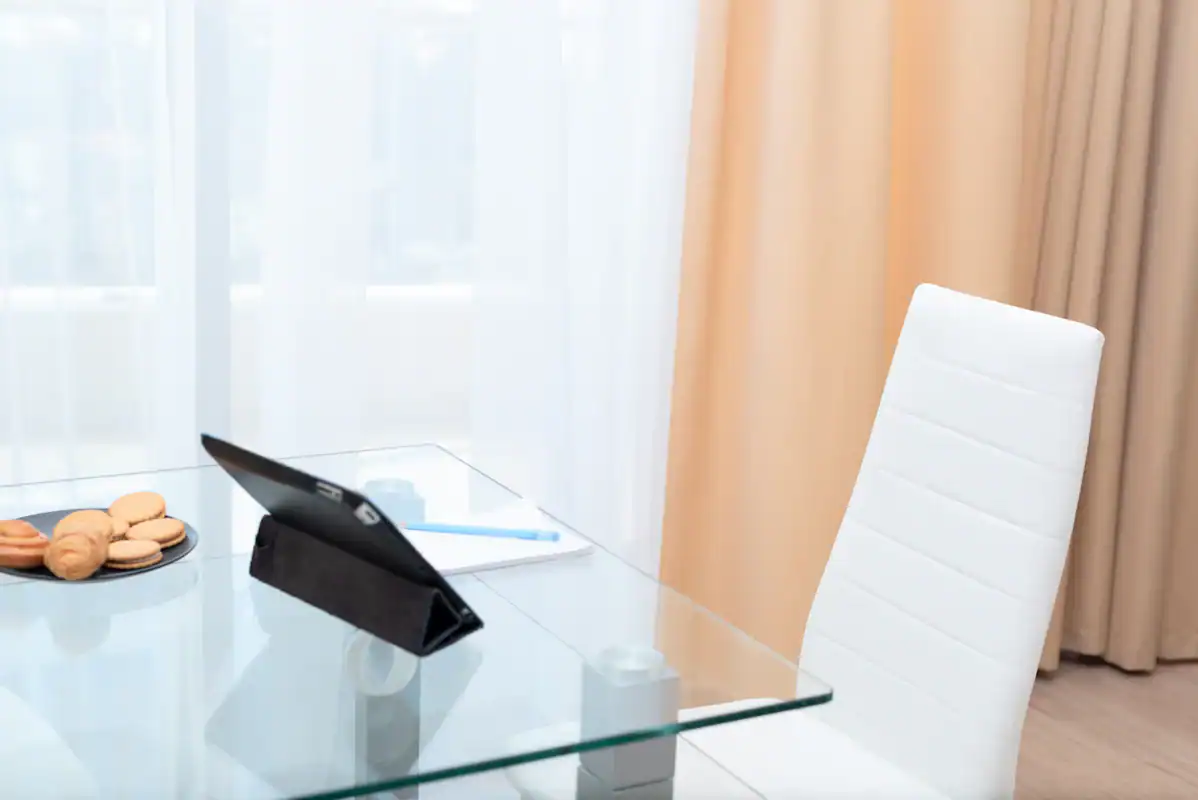
Custom Glass Table Tops Mastic
You stop worrying about water rings from coffee mugs. Scratches from keys or laptops become a non-issue. That dining table your parents gave you—or the one you finally splurged on—stays looking the way it should.
A custom glass table top does more than sit on your furniture. It takes the daily abuse so your table doesn’t have to. Spills wipe clean in seconds. Heat from plates and serving dishes won’t leave marks. And because the glass is tempered, it’s built to handle the reality of family dinners, homework sessions, and everything else that happens on a surface people actually use.
The right thickness matters. Too thin and you’re replacing it. Too thick and it looks clunky or costs more than necessary. That’s where precision comes in—not just in cutting the glass, but in understanding what your table needs based on size, support, and how you’ll use it.
Glass Services Mastic NY
We’ve been fabricating and installing custom glass across Long Island for over 20 years. That includes Mastic homes where furniture protection and aesthetic upgrades go hand-in-hand. We handle everything from shower enclosures to glass balconies to table tops that fit exactly the way they should.
Mastic homeowners know the value of maintaining what they own. With a median home value over $370,000 and an 82% homeownership rate, this community invests in quality. We deliver high-quality glass products backed by Better Business Bureau certification, membership in the Long Island Builders Institute, and a process built around accurate measurements and transparent pricing.
Military members, veterans, and first responders receive discounts. Because some things matter beyond the transaction.
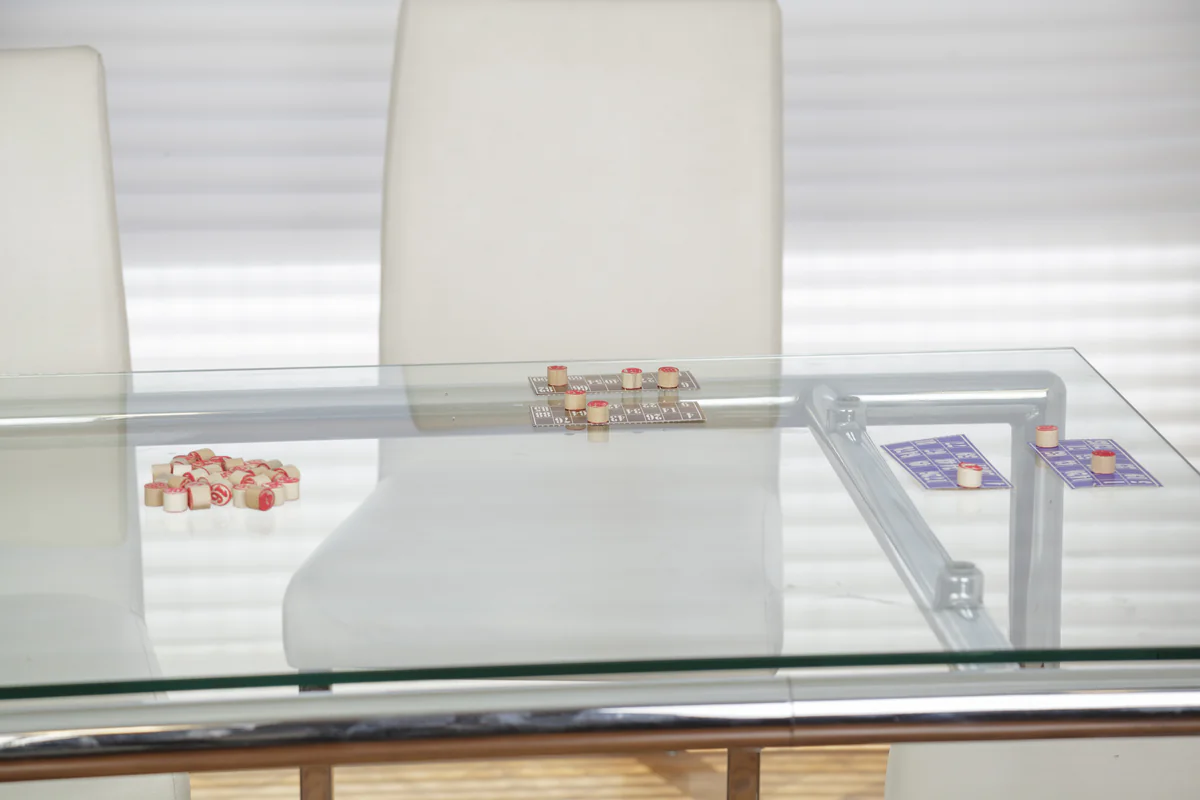
Custom Glass Table Tops Process
First, you reach out with details about your table—shape, size, what you’re protecting or creating. If you’re not sure about thickness or edge style, that’s what the consultation handles.
Next comes the measurement. This isn’t a ballpark estimate. Precise dimensions ensure the glass fits your table without gaps, overhang, or the need for returns. If your table has an unusual shape or needs cutouts for a base, that gets documented now.
Once measurements are confirmed, the glass gets fabricated. We use tempered glass, which is heat-treated to be four times stronger than standard glass. If it ever breaks—rare, but possible—it shatters into small, dull pieces instead of dangerous shards. Thickness options range from 1/4 inch for protective covers to 1/2 inch or 3/4 inch for stand-alone table tops that need structural support.
Installation happens on your schedule. We bring the glass, set it properly, and make sure it’s level and secure. You’re left with a surface that’s ready to use immediately—no curing time, no fuss.

Ready to get started?
Durable Glass Table Covers Mastic
Tempered glass is the standard here, not an upgrade. It handles temperature changes, resists scratches better than most countertops, and supports weight without flexing. For dining tables, desks, and coffee tables, 3/8 inch thickness works for most applications. Larger tables or surfaces without full support underneath need 1/2 inch or thicker.
Edge options matter more than you’d think. A flat polished edge is clean and modern. A beveled edge adds dimension and catches light differently. Pencil edges soften the look. It’s not just aesthetic—edges affect how the glass feels when you lean on it or brush past it.
Mastic homes often feature a mix of traditional and updated interiors. Glass table tops fit both. They protect antique wood without hiding the grain. They modernize older furniture that’s structurally sound but visually tired. And for outdoor patio tables exposed to Long Island weather, durable glass table covers hold up where other materials warp or fade.
Custom cuts accommodate any shape. Round, rectangular, oval, or irregular—if you can measure it, we can fabricate it. Notches for table bases, cutouts for umbrellas, radius corners for safety around kids—all of that gets handled during fabrication, not after the fact when it’s too late to fix.
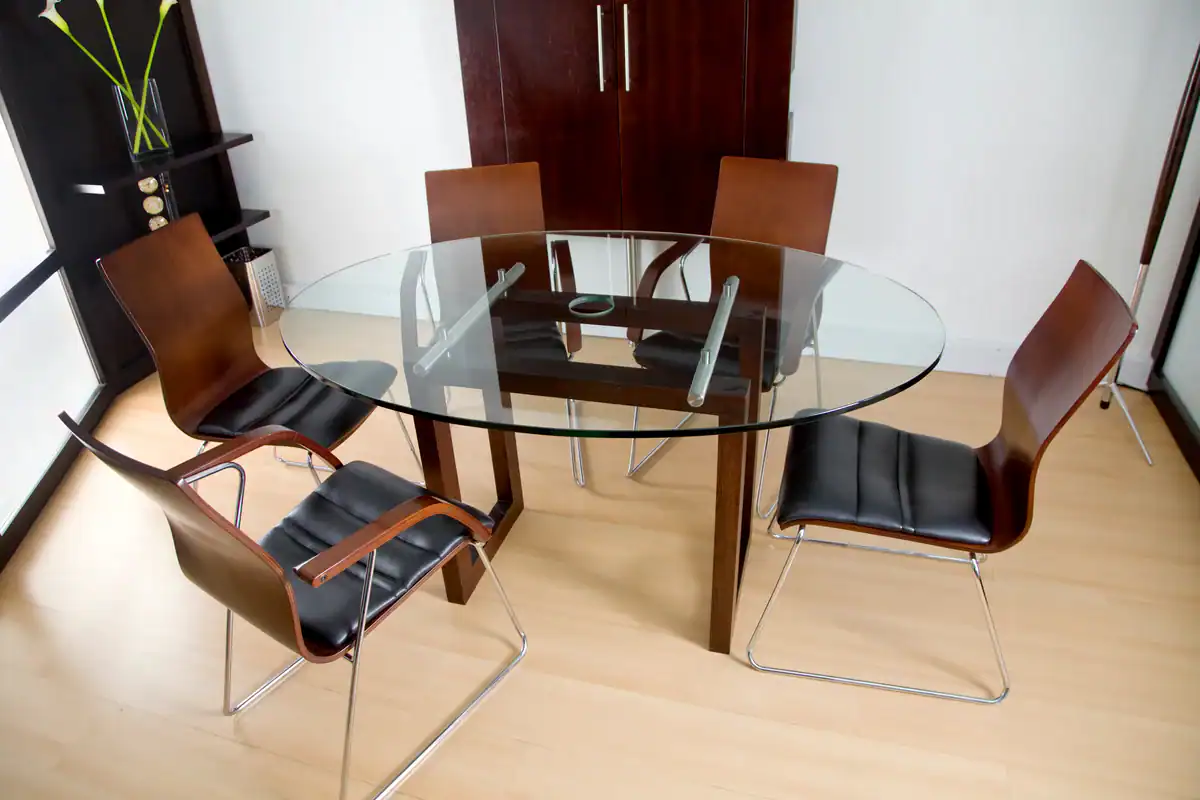
What thickness of glass table top do I need for my dining table?
For most dining tables, 3/8 inch tempered glass provides the right balance of durability and weight. This thickness supports plates, serving dishes, and everyday use without flexing or feeling flimsy. If your table is larger than 48 inches in diameter or length, or if the glass will rest on minimal support like a pedestal base, you’ll want 1/2 inch thickness.
Stand-alone glass table tops—where the glass is the entire surface with no wood or other material underneath—need at least 1/2 inch. Often 3/4 inch for larger sizes. Thicker glass provides the structural integrity required when there’s no secondary support. On the other end, if you’re just adding a protective cover over an existing table that’s already solid, 1/4 inch works fine and keeps the cost down.
The table’s support structure determines thickness more than anything else. A table with a full frame underneath can use thinner glass. A table where glass spans a large unsupported area needs thicker glass to prevent cracking under weight. If you’re unsure, providing table dimensions and a photo of the base during consultation will clarify exactly what’s needed.
Is tempered glass safe for homes with kids or pets?
Yes. Tempered glass is specifically designed for safety, which is why it’s used in car windows, shower doors, and commercial settings. It’s heat-treated to be four times stronger than regular glass. That means it resists breaking from impacts that would shatter standard glass. It’s more durable around active households where things get bumped, dropped, or knocked over.
If tempered glass does break—which is uncommon—it shatters into small, cube-like pieces with dull edges instead of large, sharp shards. This drastically reduces injury risk compared to regular glass. You’d still need to clean it up, but you’re not dealing with dangerous fragments that can cause serious cuts.
For families with young children, rounded or pencil-polished edges add another layer of safety by eliminating sharp corners. Tempered glass also handles temperature changes well, so hot dishes straight from the oven won’t cause thermal shock and cracking. It’s not indestructible, but it’s built to handle real-life use better than most people expect.
How do I clean and maintain a glass table top?
Glass table tops are one of the easiest surfaces to maintain. For daily cleaning, a damp microfiber cloth removes fingerprints, smudges, and light spills. For a streak-free finish, use a standard glass cleaner or a mix of equal parts water and white vinegar. Spray it on, wipe with a clean cloth, and you’re done.
Avoid abrasive cleaners or scrubbing pads—they can scratch the surface over time. Tempered glass is scratch-resistant, not scratch-proof, so using the right tools matters. For stuck-on food or sticky residue, let a damp cloth sit on the spot for a minute to loosen it before wiping. A plastic scraper works for tougher spots without damaging the glass.
To prevent buildup, wipe the glass after meals or spills rather than letting things sit. This is especially true for acidic liquids like wine or citrus juice, which can leave spots if they dry. Beyond that, there’s no sealing, polishing, or special treatments required. Glass doesn’t absorb stains, harbor bacteria, or need refinishing—it just needs to be wiped down.
Can I get a custom shape or size for an unusual table?
Absolutely. Custom glass fabrication handles irregular shapes, unique dimensions, and specific design requirements that standard sizes can’t accommodate. Whether your table is oval, hexagonal, kidney-shaped, or has angled corners, the glass can be cut to match. You’ll need accurate measurements—ideally a template or detailed dimensions with notes on curves and angles.
For tables with pedestal bases, center supports, or built-in features like umbrella holes, cutouts get incorporated during fabrication. This ensures the glass sits flush and stable without gaps or wobbling. If your table has an unusual edge profile or requires notches to fit around legs or supports, those details get mapped out during the measurement phase.
Bringing a photo of your table helps clarify what’s needed, especially if the shape is hard to describe. Measurements should include length, width, any curves or radiuses, and the location of supports or obstacles. The more detail provided upfront, the more accurate the fabrication. Custom work takes slightly longer than standard cuts, but the result is glass that fits like it was always part of the table.
How long does it take to get a custom glass table top made and installed?
From order to installation, expect around two to three weeks for most custom glass table tops. This includes time for fabrication, quality checks, and scheduling installation. Tempered glass requires a specific heat-treatment process that can’t be rushed. It’s what makes the glass strong and safe, but it adds production time.
Simpler projects with standard shapes and thicknesses may move faster. More complex designs—large sizes, unusual shapes, or intricate cutouts—can take closer to three weeks or slightly longer depending on current workload. Rush orders aren’t typically available because the tempering process has fixed timing, but knowing your timeline upfront allows for better planning.
Installation itself is quick, usually under an hour for most residential table tops. The glass arrives ready to place, and we handle positioning, leveling, and securing it properly. You don’t need to prep anything beforehand—just clear the table surface and provide access. Once installed, the glass is ready to use immediately with no waiting period.
What's the difference between a glass table top and a glass table cover?
A glass table top is the primary surface of the table—it’s the entire top, usually thicker (3/8 inch to 3/4 inch), and provides structural support. This is what you’d use if you’re building a table from scratch with a base and want glass as the main surface. It needs to be thick enough to support its own weight plus anything placed on it without sagging or cracking.
A glass table cover is a protective layer placed over an existing table. It’s typically thinner (1/4 inch) because the table underneath provides the structural support. The cover’s job is to protect the surface from scratches, spills, and wear while keeping the original table visible. It’s a cost-effective way to preserve wood, marble, or other materials without hiding them.
Choosing between the two depends on your goal. If you’re protecting an existing table you want to keep visible, go with a cover. If you’re creating a new table or replacing a damaged top entirely, you need a structural table top. Thickness, weight, and cost all differ between the two. Clarifying your purpose during consultation ensures you get the right product for your situation.
Other Services we provide in Mastic