
Glass Table Tops in North Haven, NY
Protect Your Furniture Without Hiding It

Hear from Our Customers
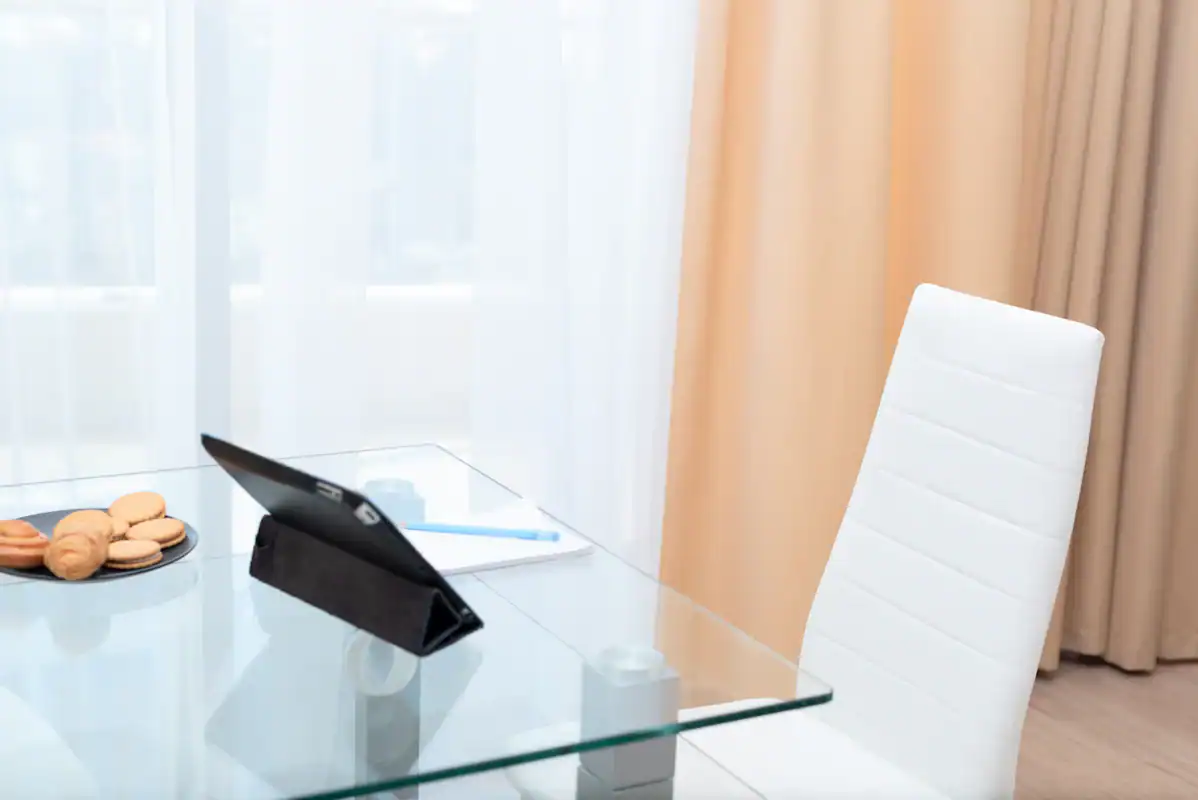
Custom Glass Table Tops North Haven
You bought that dining table because you loved it. The grain, the finish, the way it anchors the room. But now you’re stuck using placemats like armor, cringing every time someone sets down a glass without a coaster, and wondering how long before the first real scratch shows up.
A custom glass table top changes that. It sits flush against your table surface, crystal-clear so the wood still shows through, but tough enough to take the hits your furniture can’t. Tempered glass means it’s built to handle daily life—hot dishes, sharp objects, spills that would normally leave a mark.
You get to actually use your table the way it was meant to be used. No more babysitting the surface. No more refinishing every few years. Just protection that works quietly in the background while your furniture does what it’s supposed to do: look good and hold up.
Glass Services in North Haven, NY
We’ve been handling custom glass projects across Long Island for over two decades. While our name says shower doors, our expertise runs deeper—glass balconies, pool enclosures, and custom table tops that actually fit right. North Haven residents and homeowners throughout Suffolk County have relied on this level of precision for years.
We hold Better Business Bureau certification, stay active in LIBI and the National Kitchen and Bath Association, and have built a client list that includes some of the Hamptons’ most particular homeowners. That doesn’t happen by accident.
Every project gets the same approach: clear communication, precise measurements, and installation that doesn’t leave you fixing problems after we leave. It’s high-quality glass work done by people who’ve been doing it long enough to know where the problems usually show up—and how to avoid them.
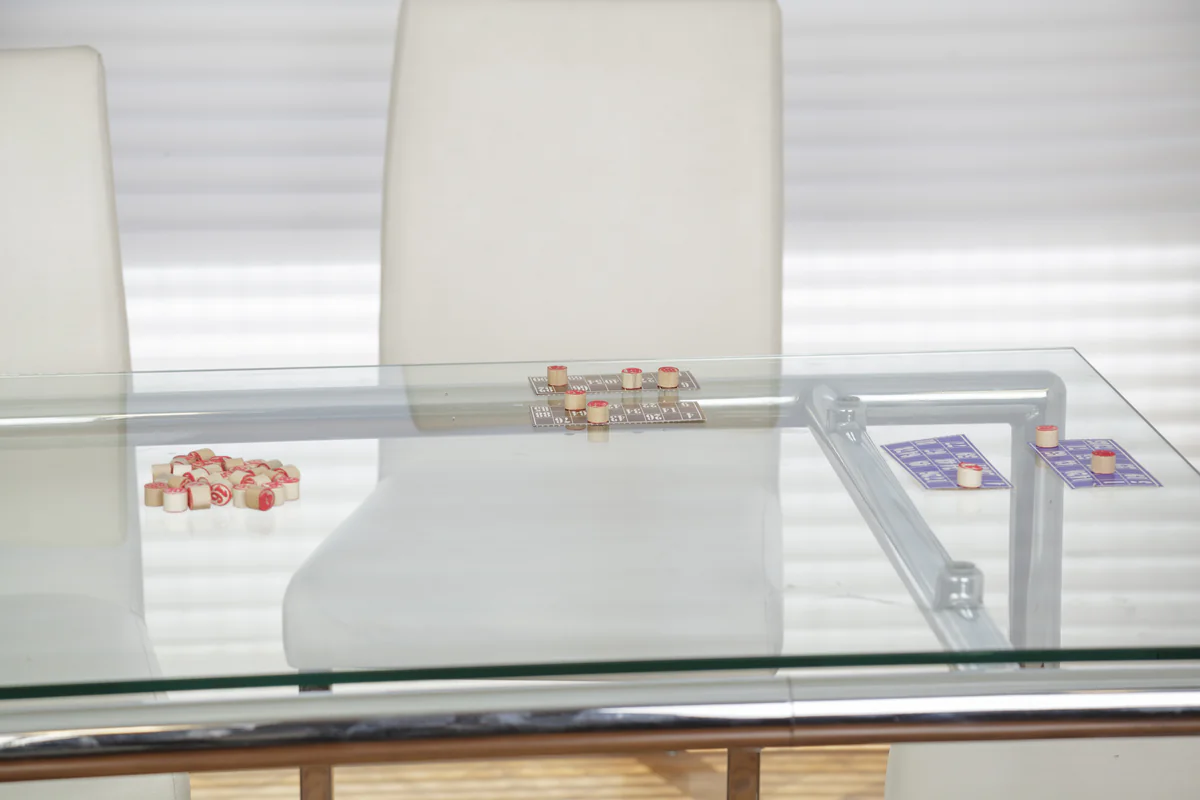
Custom Glass Table Top Installation Process
It starts with measurement. We come to your home in North Haven and measure your table in person—not over the phone, not from photos you text over. We account for the shape, any irregularities in the surface, and what thickness makes sense for how you’ll actually use it.
Then you choose your specs. Glass thickness typically runs 1/4″, 3/8″, or 1/2″ depending on table size and whether it’s just protection or needs to support weight. Edge options matter too—polished, beveled, or flat. These aren’t just aesthetic choices; they affect how the glass sits and how it looks in your space.
The glass gets cut to exact specifications, tempered for strength and safety, and inspected before it leaves our shop. Installation is straightforward—we deliver the glass, position it carefully, and check to make sure it sits flush with no gaps or wobble. We walk through it together at the end. If something’s off, we handle it before anyone leaves.

Ready to get started?
Durable Glass Table Covers North Haven
Tempered glass isn’t regular glass. It’s heat-treated to be four to five times stronger, which means it handles impacts that would crack standard glass. If it does break—rare, but possible—it shatters into small, dull pieces instead of dangerous shards. That matters in homes with kids or where accidents happen.
The custom cut is the whole point. This isn’t a standard rectangle you’re hoping fits close enough. It’s measured and cut to match your table’s exact dimensions, curves, corners, whatever shape you’re working with. It sits directly on the surface, no gaps where crumbs or liquid can sneak underneath.
Long Island homes deal with humidity, temperature swings, and the wear that comes with coastal living. Glass doesn’t warp, doesn’t fade, and doesn’t care about moisture the way wood does. You wipe it down and it looks the same as the day it was installed. For furniture that’s already expensive or irreplaceable—antiques, heirlooms, custom pieces—this kind of durable protection isn’t optional. It’s the difference between furniture that lasts and furniture that needs replacing.
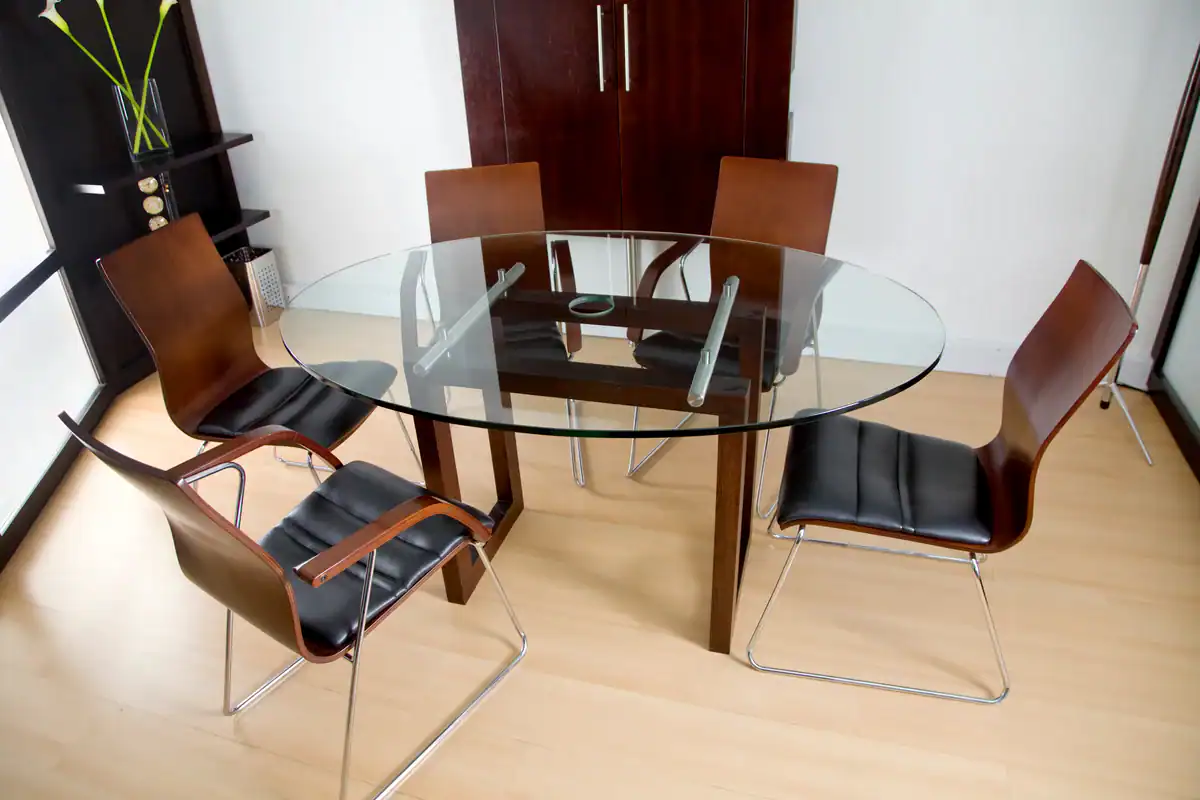
What thickness of glass do I need for my dining table?
For most dining tables, 1/4″ tempered glass works fine if you’re just protecting the surface from scratches and spills. It’s thin enough to sit flat without adding noticeable height, but strong enough for everyday use with plates, glasses, and normal dining activity.
If your table is larger—say, over 48 inches—or if you’re placing heavier items on it regularly, 3/8″ gives you more stability and reduces any flex. For tables that double as work surfaces or where the glass needs to support more weight, 1/2″ is the way to go. It’s overkill for some situations, but if you’re worried about durability or the table sees heavy use, the extra thickness makes sense.
The right choice depends on your table size, how you use it, and what you’re comfortable with. During measurement, you’ll get a recommendation based on what actually makes sense for your setup—not just what costs more.
How do I clean and maintain a glass table top?
Glass table tops are about as low-maintenance as surfaces get. For daily cleaning, a damp microfiber cloth handles most smudges, fingerprints, and light spills. If you want it spotless, any standard glass cleaner works—spray it on, wipe it down, you’re done.
For tougher spots or buildup, a mix of equal parts white vinegar and water cuts through grime without leaving streaks. Avoid abrasive cleaners or rough scrubbing pads—they can scratch the surface over time. Stick with soft cloths and you won’t have issues.
The glass itself doesn’t need polishing, treating, or any of the maintenance wood requires. No special products, no refinishing, no worrying about water damage. You clean it when it looks dirty, and it keeps looking clear. That’s the whole appeal—protection that doesn’t create more work for you.
Will the glass scratch or damage my table underneath?
Not if it’s installed correctly. Custom glass table tops sit directly on the table surface, and as long as the glass is clean on the bottom before placement and the table surface is free of debris, there’s no friction or movement that would cause scratching.
Some people add small felt pads or clear bumpers at the corners if they’re particularly cautious or if the table has a delicate finish. It’s not always necessary, but it’s an easy step if you want extra peace of mind. The pads are thin enough that they don’t affect how the glass sits or looks.
The bigger risk is actually dirt or crumbs getting between the glass and table over time. Lift the glass every few months, wipe down both surfaces, and set it back. Takes five minutes and prevents any grit from sitting there long enough to cause problems. That’s really the only maintenance the table itself needs once the glass is on.
Can you cut glass for tables that aren't rectangular?
Yes. Round, oval, square, octagonal, kidney-shaped—whatever your table looks like, we can cut the glass to match it. That’s the point of custom work. You’re not limited to standard shapes or hoping something close enough exists in stock.
Our measurement process accounts for curves, angles, and any irregularities in your table’s shape. For round or oval tables, we cut the glass using templates or precise measurements to ensure the curve matches exactly. For tables with unusual shapes or custom edges, it’s the same approach—measure it right, cut it to spec, and make sure it fits flush.
If your table has intricate details or a shape that seems complicated, that’s fine. It might take a bit more time to measure and cut, but it’s not a problem. The goal is glass that looks like it was made for your table—because it was.
How long does it take to get a custom glass table top?
From measurement to installation, expect about one to two weeks in most cases. The timeline depends on the complexity of the cut, the thickness you choose, and current workload, but it’s not a months-long process.
Measurement usually happens within a few days of your initial call. Once specs are confirmed and you’ve chosen your glass type and edge finish, the cutting and tempering process takes several days. Tempered glass can’t be cut or altered after it’s treated, so everything has to be right before that step. Quality checks happen before the glass leaves our shop.
Installation is scheduled once the glass is ready, and the actual install takes under an hour for most tables. If you’re in a rush or have a specific deadline—holiday dinner, event, whatever—mention it upfront. Sometimes the timeline can be tightened, but it’s easier to plan for that early than try to rush it at the end.
Is tempered glass really safer than regular glass?
Tempered glass is significantly safer, and that’s not marketing talk—it’s how the material behaves. Regular glass breaks into long, sharp shards that can cause serious cuts. Tempered glass shatters into small, relatively dull pieces that are far less likely to injure anyone.
The tempering process involves heating the glass to over 1,000 degrees and then rapidly cooling it. This creates internal tension that makes the glass much stronger—about four to five times stronger than standard glass. It can handle impacts, temperature changes, and stress that would crack regular glass.
For table tops, especially in homes with kids or high-traffic areas, tempered glass is the standard. It’s required by building codes in certain applications for a reason. If something heavy falls on it or someone leans on the edge wrong, the glass is far more likely to hold up. And if it does break, you’re dealing with cleanup, not an emergency room visit.
Other Services we provide in North Haven