
Glass Table Tops in North Lindenhurst, NY
Protect Your Furniture Without Hiding Its Beauty

Hear from Our Customers
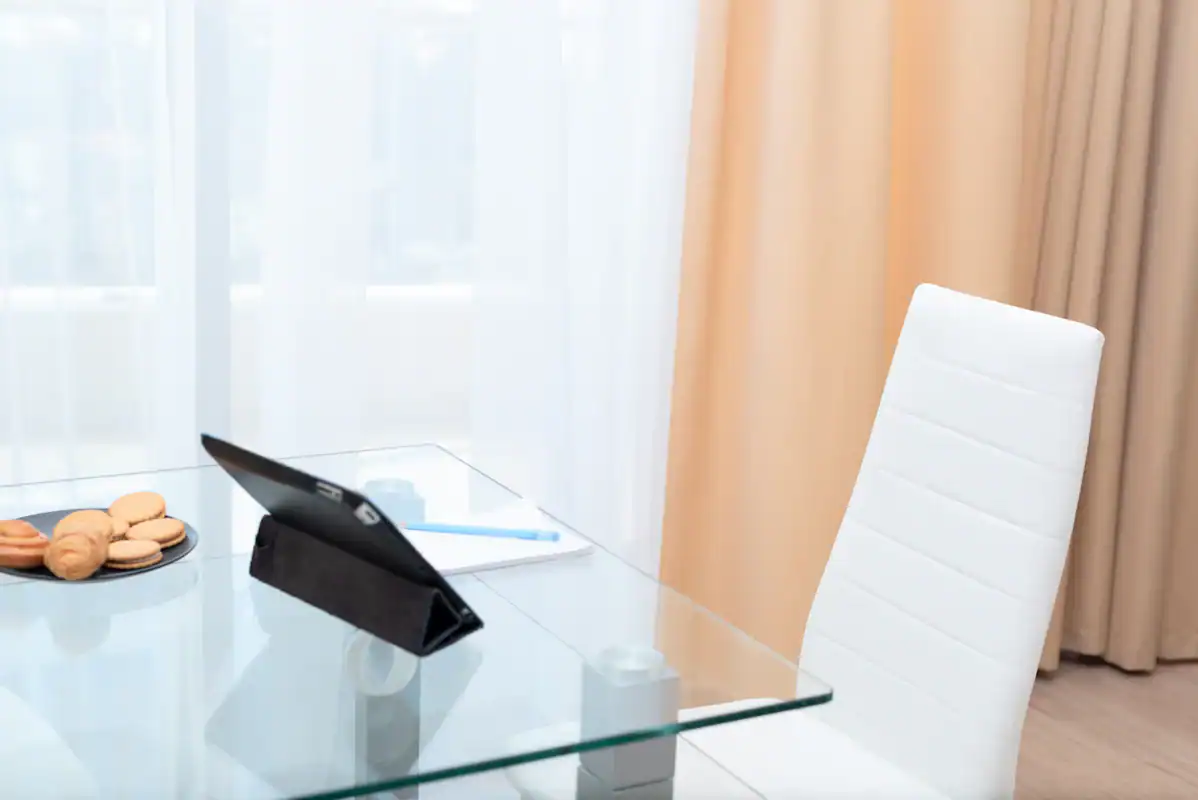
Custom Glass Table Tops Near You
You’ve invested in quality furniture. Maybe it’s a family heirloom, an antique you refinished, or a dining table that cost more than you’d like to admit. Either way, you want it to last—but you also want to actually use it.
That’s where a custom glass table top makes sense. It sits on your table like an invisible shield. Coffee mugs, wine glasses, dinner plates, your kids’ homework—none of it touches the wood. Water rings, scratches, and heat marks become a non-issue. The glass takes the hit, and your table stays intact.
And when something spills? You wipe it off. No staining, no scrubbing, no worrying whether you just ruined the finish. You get to enjoy your furniture the way it was meant to be used, without constantly playing defense. Whether you’re protecting a dining room centerpiece or covering a desk that sees daily use, high-quality glass products give you that peace of mind.
Glass Services in North Lindenhurst, NY
We’ve been fabricating custom glass solutions for Long Island homeowners for over 20 years. While our name suggests shower doors, our expertise runs deeper—glass table tops, balconies, pool enclosures, and more. Serving North Lindenhurst and surrounding communities means understanding what local homeowners need: quality work, fair pricing, and someone who shows up when they say they will.
What sets our work apart is the process. Transparent proposals, exact measurements, and clear timelines from the start. No guessing, no surprises. We handle everything from consultation to installation, and every project gets the same level of attention whether it’s for a home in North Lindenhurst or an estate in the Hamptons.
Certifications with the Better Business Bureau and active membership in the National Kitchen and Bath Association back up our reputation. So does the fact that top contractors across Long Island keep coming back. Military members, veterans, and first responders receive meaningful discounts—not as a marketing tactic, but as a genuine thank you.
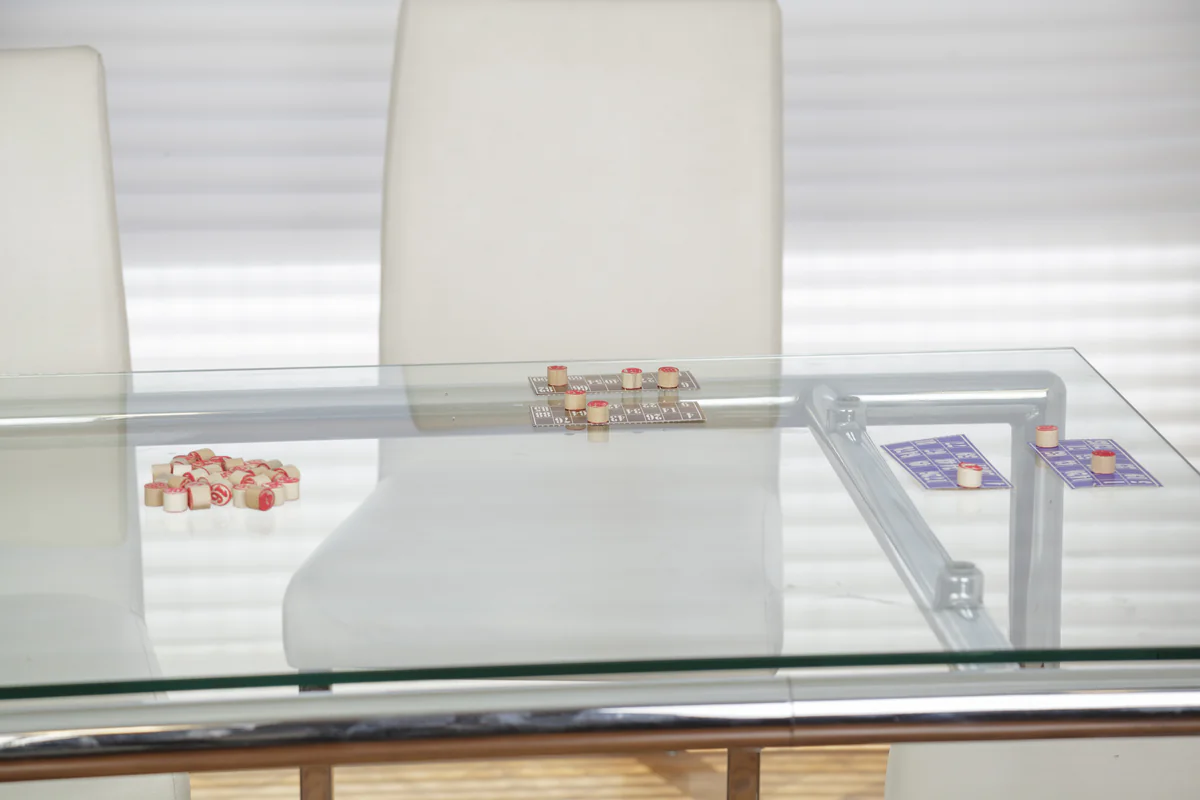
How Custom Glass Table Tops Work
First, you reach out. A consultation happens—either in person or over the phone—to discuss what you need. What table are you covering? What’s the shape? Do you want the glass flush with the edges or slightly larger? These details matter, and we nail them down early.
Next comes measurement. For simple rectangular or round tables, you can provide dimensions. For anything with curves, inlays, or irregular shapes, we make a template on-site to ensure a perfect fit. This step eliminates guesswork and prevents costly mistakes.
Then the glass gets fabricated. You’ll choose thickness (typically 1/4″ to 1/2″ depending on use), whether you want tempered glass for added strength, and what type of edge finish—polished, beveled, or pencil edge. Each option affects both look and safety, so we walk you through it.
Finally, installation. The glass arrives, gets placed carefully on your table, and you’re done. If you opted for a heavier piece, it stays put on its own. For lighter applications, small bumpers or spacers can be added underneath to prevent shifting and allow airflow. The whole process is designed to be straightforward, with no hidden steps or surprise complications.

Ready to get started?
Durable Glass Table Covers Available
Every glass table top is custom-cut to your specifications. That means exact dimensions, not close enough. Thickness options range from 3/16″ for lighter decorative use up to 3/4″ for heavy-duty dining tables. Tempered glass—which is heat-treated to be four to five times stronger than standard glass—is available and recommended for high-traffic surfaces.
Edge finishing matters more than most people realize. A polished edge gives a clean, modern look. A beveled edge adds a slight angle and catches light beautifully. A pencil edge offers a soft, rounded finish that’s safer for homes with kids. Each option is available, and the choice depends on your aesthetic and how the table gets used.
In North Lindenhurst and across Long Island, homeowners use these custom glass table tops for dining tables, coffee tables, desks, dressers, and outdoor patio furniture. The glass protects against scratches, water damage, and sun fading—all while being easy to clean. A quick wipe with glass cleaner keeps it spotless, unlike wood that needs polishing or stone that requires sealing.
Color options include clear, gray, bronze, and ultra-clear starfire glass for the most transparent finish. For outdoor tables, umbrella holes can be drilled to spec. And if you’re covering an antique or a piece with intricate detailing, clear glass lets you showcase that craftsmanship while keeping it protected. These durable glass table covers work hard so your furniture doesn’t have to take the beating.
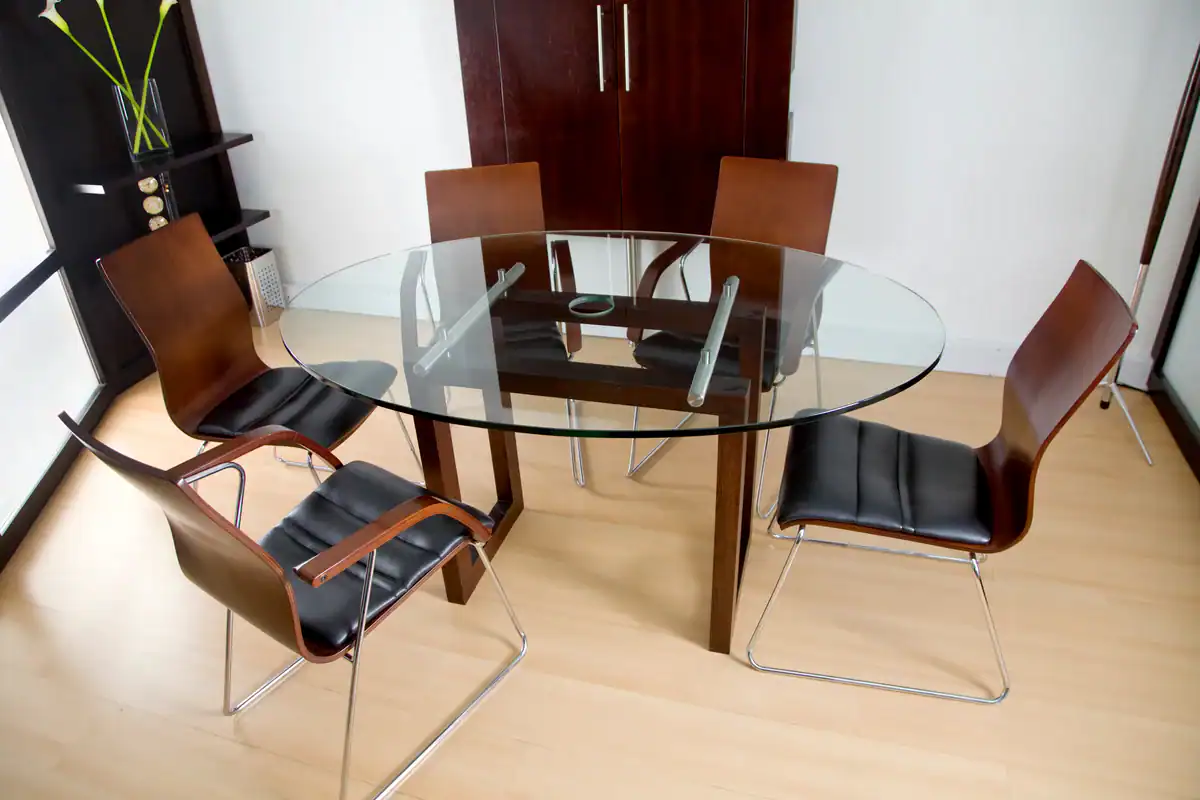
Should I get tempered glass or regular glass for my table top?
It depends on thickness and how you’re using the table. Tempered glass is stronger—about four to five times more durable than standard glass—and it’s heat-treated so it can handle temperature changes better. If you’re covering a dining table where hot dishes might land, tempered makes sense. Same goes for thinner glass, like 1/4″ or 3/8″, which benefits from the added strength.
For thicker glass—1/2″ or 3/4″—tempering isn’t always necessary because the glass is already sturdy enough to handle everyday use. That said, tempered glass has a safety advantage. If it ever does break, it crumbles into small, dull pieces instead of sharp shards. For homes with kids or high-traffic areas, that extra layer of safety is worth considering.
The other thing to know: once glass is tempered, it can’t be cut or drilled. So all customization—size, shape, holes—has to happen before tempering. That’s why accurate measurements matter from the start.
How thick should my glass table top be?
Thickness depends on the size of your table and how much weight it’ll hold. For smaller tables—like side tables or nightstands—1/4″ glass works fine. It’s lightweight, affordable, and strong enough for light use.
For dining tables or larger surfaces, 3/8″ to 1/2″ is the standard. This thickness handles plates, serving dishes, and daily wear without flexing or feeling flimsy. If you’re covering a table with a large span or minimal support underneath, 1/2″ is the safer choice.
For desks or conference tables where the glass sits on a frame with good support, 3/8″ typically does the job. Thicker isn’t always better—it adds weight and cost without much functional benefit unless the table has a wide unsupported area.
If you’re unsure, a quick consultation clears it up. The size of your table, how it’s supported, and what you’re using it for all factor into the recommendation.
Will a glass table top scratch or stain over time?
Glass is highly scratch-resistant, especially compared to wood or softer materials. That said, dragging something abrasive—like the bottom of a ceramic pot or a rough metal object—across the surface can leave marks. Using placemats, coasters, or felt pads under heavy items prevents this.
Staining isn’t really an issue with glass. Unlike wood, which absorbs liquids, glass is non-porous. Spills sit on the surface and wipe away easily. The exception is hard water, which can leave mineral deposits if it’s allowed to sit and dry repeatedly. A quick wipe after spills keeps that from happening.
Tempered glass holds up better to scratches than standard glass because of how it’s manufactured. The heat-treating process makes the surface harder. Still, no glass is completely scratch-proof, so a little care goes a long way.
Cleaning is simple. Glass cleaner and a microfiber cloth are all you need. Avoid abrasive scrubbers or harsh chemicals that could dull the finish over time.
Can I get a glass top made for an oddly shaped table?
Yes. Custom fabrication handles irregular shapes, curves, and unique dimensions. If your table has rounded corners, an oval shape, or decorative edges, we make a template on-site to capture the exact outline. This ensures the glass fits perfectly without gaps or overhangs where you don’t want them.
For tables with inlays, grooves, or other details, the template method is the most accurate. You can also specify whether you want the glass to sit flush with the table edge or extend slightly beyond it. Some people prefer a small overhang for aesthetic reasons, while others want the glass to match the table edge exactly.
Holes can be drilled for things like umbrella poles on patio tables or decorative bases that require a center opening. All of this gets planned before fabrication begins, so the final piece arrives ready to install.
The process takes a bit longer than a standard rectangle or circle, but the result is a glass top that looks like it was made for your table—because it was.
How do I clean and maintain a glass table top?
Glass is one of the easiest surfaces to maintain. For everyday cleaning, a spray bottle of glass cleaner and a lint-free cloth or microfiber towel do the job. Spray the cleaner directly onto the cloth—not the glass—to avoid streaks, then wipe in circular motions.
If you’re dealing with stubborn smudges or fingerprints, a mix of equal parts water and white vinegar works well. For a streak-free finish, some people swear by crumpled newspaper or coffee filters instead of cloth.
Avoid abrasive scrubbers or powders that could scratch the surface. Stick to soft materials and non-abrasive cleaners. If your glass has a beveled or polished edge, pay attention to the edges where dust and grime can collect.
To prevent scratches, use coasters under glasses, placemats under dishes, and felt pads under decorative items. If you’re placing something heavy on the glass, lift it instead of dragging it across the surface.
That’s it. No polishing, no sealing, no special treatments. Just wipe it down when it gets dirty, and it’ll stay clear and spotless for years.
How long does it take to get a custom glass table top made?
Turnaround depends on the complexity of the job and the type of glass you’re ordering. For standard shapes with straightforward dimensions—rectangles, circles, ovals—fabrication typically takes a few days to a week. If you’re ordering tempered glass, add a bit more time since the tempering process requires specialized equipment and scheduling.
For custom shapes that require on-site templating, the timeline extends slightly. We create the template first, then fabrication begins once the exact dimensions are confirmed. This ensures accuracy, especially for tables with curves or irregular edges.
Rush orders can sometimes be accommodated depending on our schedule, but it’s better to plan ahead if you have a specific deadline. During busy seasons, lead times can stretch, so reaching out early helps.
Once the glass is ready, installation is quick—usually the same day. The glass gets delivered, placed on your table, and checked for fit. If bumpers or spacers are needed, those get added in minutes. Then you’re done.
Other Services we provide in North Lindenhurst