
Glass Table Tops in Plainedge, NY
Protect Your Furniture Without Hiding Its Beauty

Hear from Our Customers
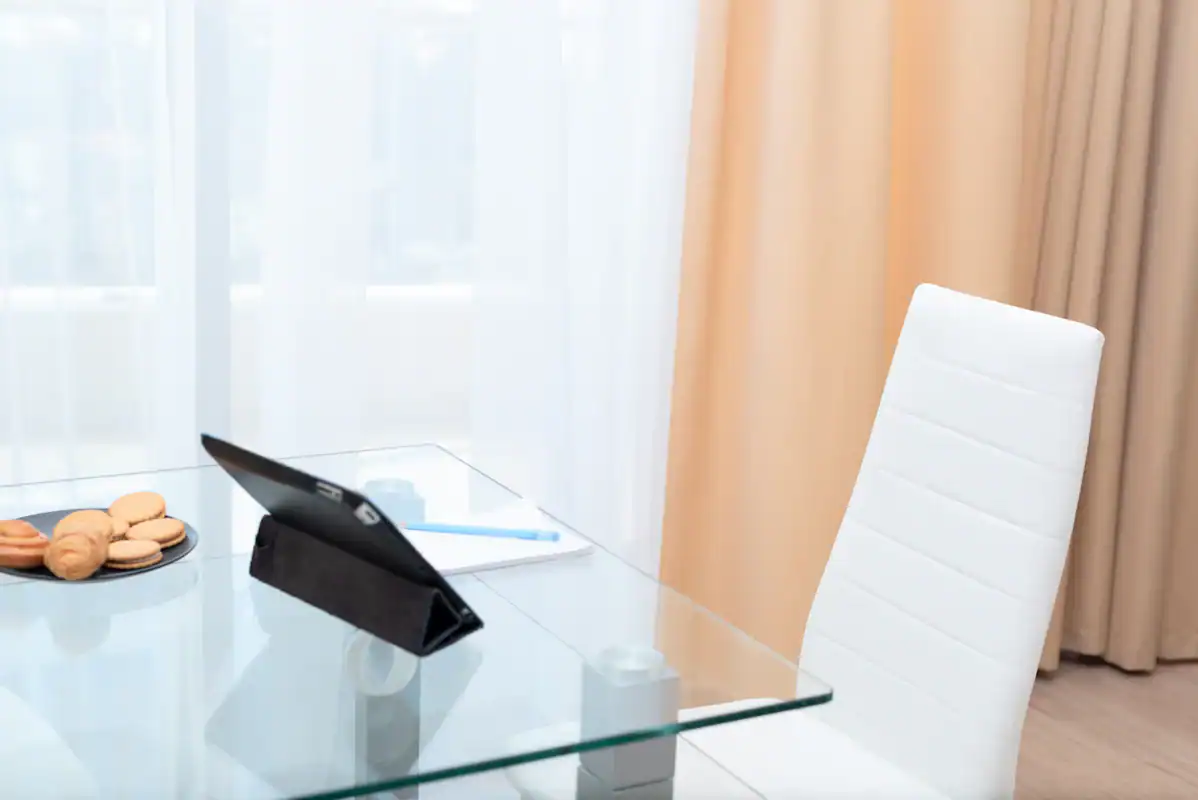
Custom Glass Table Tops Plainedge
You didn’t invest in quality furniture to watch it get destroyed by water rings and scratches. A custom glass table top stops that damage before it starts. Your dining table stays pristine through family dinners. Your coffee table survives keys, remotes, and drink spills without a mark. Your antique desk keeps its original finish visible while staying protected from daily use.
The right glass doesn’t just sit on top of your furniture—it becomes part of it. Precision-cut to your exact measurements, tempered for strength, and finished with polished edges that feel smooth to the touch. You get protection that lasts for years without the constant worry of ruining something you love.
And when guests notice how good your furniture looks? That’s not luck. That’s what happens when you protect your investment the right way.
Glass Services Plainedge NY
We’ve been serving Plainedge and the surrounding Long Island communities for over 20 years. While our name suggests otherwise, we specialize in all types of custom glass solutions—from stunning shower enclosures to contemporary glass balconies, pool enclosures, and yes, custom glass table tops that homeowners actually trust.
We hold Better Business Bureau certification and maintain active membership in the Long Island Builders Institute and the National Kitchen and Bath Association. We work with the Hamptons’ finest homes and top local contractors, earning a reputation for transparent proposals, expert craftsmanship, and attention to detail that shows in every installation. For Plainedge residents who value quality and expect their home improvements to last, that track record matters.
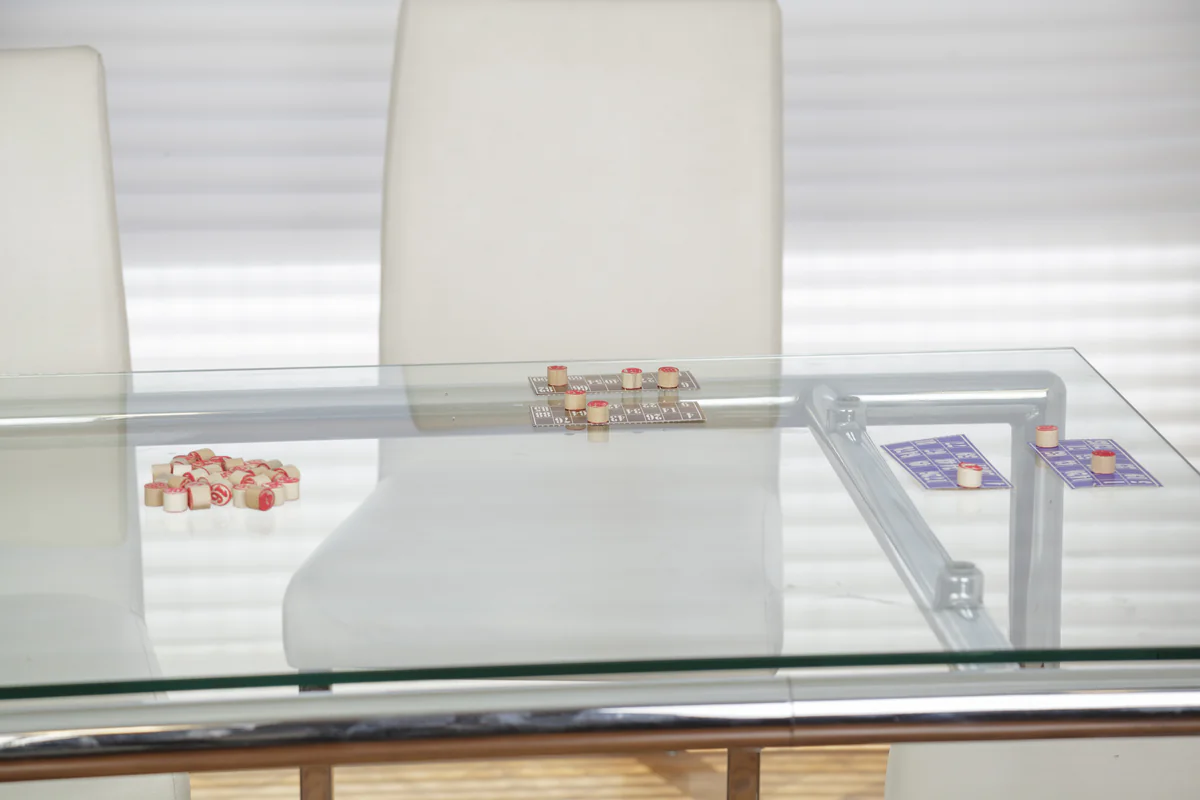
Glass Table Top Installation Process
It starts with understanding what you need. During the initial consultation, we discuss your table, how you use it, and what you’re trying to protect or achieve. Are you covering an antique dining table? Creating a modern coffee table surface? Replacing broken patio glass? Each application requires different thickness, edge finishing, and installation methods.
Next comes precise measurement. For standard rectangular or round tables, measurements are straightforward. For irregular shapes or custom furniture, we create templates to ensure a perfect fit. This step matters because even an eighth of an inch off means gaps, overhangs, or glass that doesn’t sit right.
Once measurements are confirmed, your glass is custom-cut to specification. You choose the thickness based on your table’s size and support structure—1/4″ for protective covers over existing surfaces, 3/8″ for most dining applications, or 1/2″ for larger unsupported tops. The edges are polished smooth, whether you prefer flat polished for a sleek modern look, pencil edges for safety, or beveled edges for elegance. We recommend tempered glass for strength and safety, especially in homes with children.
Installation is scheduled at your convenience. The glass is carefully positioned and secured using the appropriate method for your table base—rubber bumpers for stability, adhesive for permanent placement, or specialized adapters for pedestal bases. Before leaving, we ensure everything sits level, secure, and exactly as it should.

Ready to get started?
Durable Glass Table Covers Plainedge
Custom glass table tops aren’t one-size-fits-all. Every piece is fabricated specifically for your table, cut to your exact dimensions with your choice of shape—rectangular, round, oval, or irregular custom cuts. The glass comes in multiple thickness options depending on how you’ll use it. Protective covers over existing tables typically use 1/4″ glass. Dining tables that see daily use work best with 3/8″ thickness. Large conference tables or unsupported glass surfaces need 1/2″ or thicker for proper support and durability.
Edge finishing makes a difference in both safety and appearance. Flat polished edges provide a clean, modern look with smooth, safe edges. Pencil polished edges feature a rounded profile that’s especially safe for homes with children. Beveled edges add an elegant, light-catching detail for more formal settings. All edges are polished to prevent sharp corners and ensure safe handling.
For Plainedge homeowners, tempered glass is the smart choice. It’s four times stronger than regular glass and handles temperature changes, impacts, and daily stress better. If it does break—which is rare—it shatters into small, dull pebbles instead of dangerous shards. That safety feature matters when you’re protecting furniture in a home where people actually live.
The glass protects your furniture from scratches, water rings, heat damage, and UV exposure while keeping the original surface visible. Wood grain shows through. Marble patterns stay on display. Metal bases remain the focal point. You get protection without sacrificing the aesthetic that made you buy the furniture in the first place. And unlike wood that needs constant refinishing or surfaces that stain and wear, glass just needs a quick wipe-down to look perfect again.
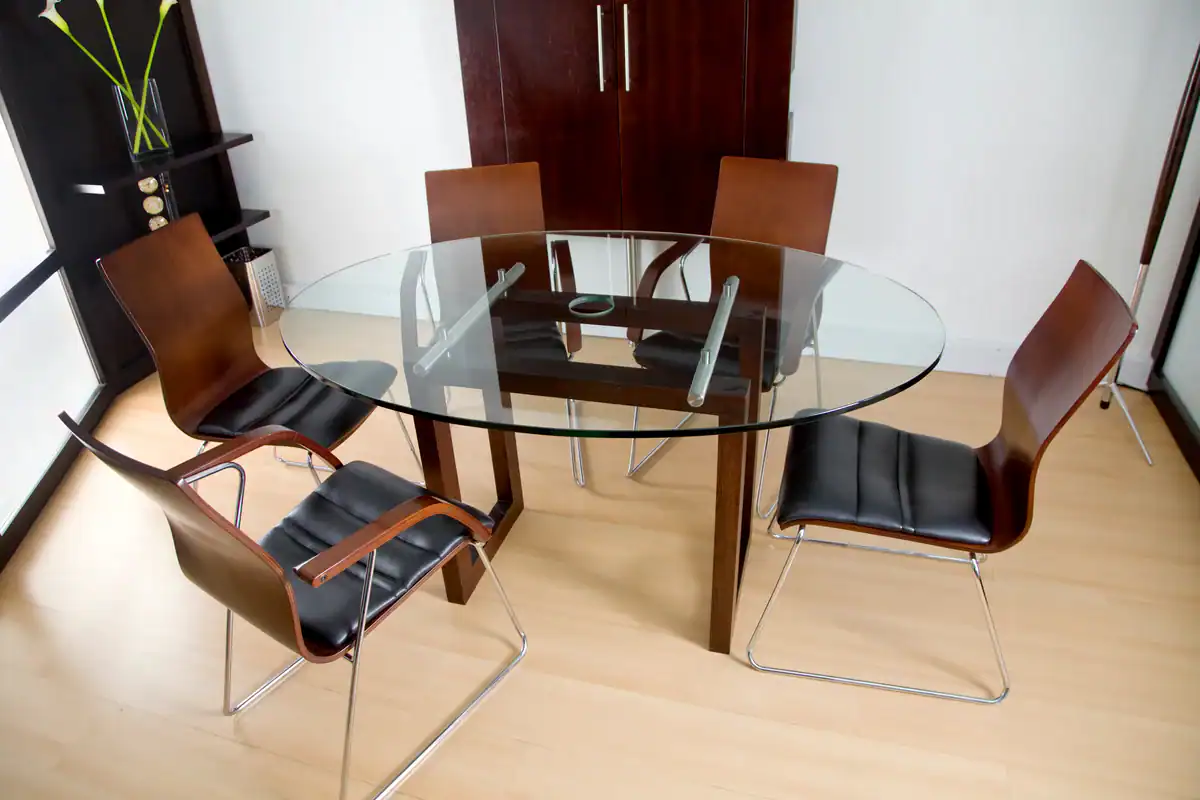
What thickness of glass do I need for my dining table?
For most dining tables, 3/8″ tempered glass is the ideal thickness. It provides enough strength to handle plates, serving dishes, and daily use without flexing or feeling unstable when you set items down. If your dining table is larger than 48 inches or seats more than six people, you should consider 1/2″ thickness for added support and durability.
If you’re simply adding a protective cover over an existing wooden or marble dining table that already has a solid surface, 1/4″ glass works fine. The existing table provides the structural support, and the glass just acts as a protective layer. However, if the glass will serve as the actual table surface—sitting on a pedestal base or frame with no solid surface underneath—you need thicker glass to support the weight. Tables larger than 60 inches or conference-style tables often require 3/4″ thickness to prevent any flex or instability across the span.
Is tempered glass really necessary, or can I save money with regular glass?
Tempered glass is worth every penny, especially for table tops that see regular use. It’s four times stronger than regular annealed glass, which means it resists scratches, impacts, and temperature changes far better. Regular glass can crack from thermal stress—like setting a hot dish on a cold surface—but tempered glass handles those situations without issue.
The real value shows if breakage ever occurs. Regular glass shatters into large, jagged shards that can cause serious injury. Tempered glass breaks into small, relatively harmless pebbles with dull edges. In homes with children, pets, or high-traffic areas, that safety feature isn’t optional—it’s essential. We won’t even recommend regular glass for table tops anymore because the liability and safety risks aren’t worth the minor cost savings.
For outdoor patio tables, tempered glass is mandatory. The temperature swings, sun exposure, and weather stress will crack regular glass quickly. Tempered glass is specifically engineered to handle those conditions. You’re not just buying strength—you’re buying glass that actually lasts in real-world conditions.
How do I measure my table for a custom glass top?
For rectangular or square tables, measure the length and width at the widest points. Use a metal tape measure for accuracy, and measure in inches down to the nearest 1/8″. If your table has rounded corners, trace one corner on cardboard or paper and note the radius so the glass can be cut to match. We can work from these corner templates to ensure a perfect fit.
For round or oval tables, measure the diameter at the widest point. For ovals, you’ll need both the length and width measurements. If your table has an irregular shape—like an antique with curved edges or a custom-built piece—creating a full template is the best approach. Lay craft paper or cardboard over the table surface, trace the outline carefully, and cut it out. This gives us an exact pattern to work from.
One important detail: decide whether you want the glass to sit flush with the table edges or overhang slightly. Most protective covers match the table dimensions exactly. Standalone glass tops on pedestal bases often overhang by 1-2 inches for visual balance. Communicate this clearly when ordering. We offer in-home measurement services for complex or high-value projects, which removes any guesswork and ensures you get exactly what you need.
Can glass table tops be used outdoors on patio furniture?
Yes, but only with the right specifications. Outdoor glass table tops must be tempered glass, period. The temperature fluctuations between hot summer days and cool nights create thermal stress that regular glass can’t handle—it will crack. Tempered glass is engineered to withstand those temperature swings without issue.
Thickness matters more outdoors than indoors. While 1/4″ tempered glass works for small bistro tables under covered patios, any table larger than 36 inches or exposed to direct sun and weather needs 3/8″ minimum. For full-size outdoor dining tables seating six or more, go with 1/2″ thickness. Outdoor furniture bases tend to be lighter and less stable than indoor pieces, so the glass needs to be substantial enough to resist flexing in wind or when items are placed on it.
Edge finishing is also important for outdoor applications. Flat polished edges are standard, but pencil polished edges provide extra safety if you have children using the patio furniture. Make sure any holes for umbrella poles are specified during fabrication—tempered glass cannot be drilled or cut after the tempering process. If you’re replacing broken patio glass, measure carefully and note any existing holes or cutouts so your new glass matches perfectly.
How is the glass secured to the table so it doesn't slide around?
The securing method depends on your table base material and how you’re using the glass. For glass sitting on top of wooden or metal tables as a protective cover, clear rubber bumpers are the most common solution. These small, transparent vinyl pads stick to the table surface at key points—usually the four corners and center for larger tables. They grip the underside of the glass, prevent sliding, and create a tiny gap that allows air circulation to prevent moisture buildup.
For glass table tops on pedestal bases or metal frames, table base adapters provide a more permanent solution. These aluminum or steel disks are glued to the underside of the glass using optically clear epoxy, then bolted directly to the table base. This creates a secure, stable connection that won’t shift or separate. The adapter remains invisible when looking down at the finished table—you only see the glass and base.
For wooden table bases where you want a semi-permanent attachment, silicone adhesive or polyurethane glue works well. These adhesives remain slightly flexible, which is important because wood expands and contracts with humidity changes. A rigid bond could stress the glass and cause cracking, but flexible adhesives allow natural movement while keeping the glass in place. We recommend professional installation for adhesive methods to ensure proper application, curing time, and centering. Getting it wrong means starting over with new materials.
How do I clean and maintain a glass table top?
Glass table tops are remarkably easy to maintain compared to wood or other materials. For daily cleaning, a simple wipe with a damp microfiber cloth removes dust and fingerprints. For deeper cleaning, use standard glass cleaner or a mixture of equal parts water and white vinegar. Spray the cleaner on the cloth—not directly on the glass—to avoid streaking, then wipe in circular motions. Buff dry with a clean, lint-free cloth for a streak-free shine.
Avoid abrasive cleaners, scouring pads, or paper towels, which can create micro-scratches over time. Even tempered glass can be scratched by dragging rough objects across the surface, so use coasters under glasses, placemats under dishes, and felt pads under decorative items. When moving objects on the glass, lift rather than slide them. These simple habits keep your glass looking new for years.
For outdoor glass table tops, clean more frequently to remove pollen, dirt, and water spots. A quick spray and wipe after rain prevents mineral deposits from building up. If you live near the ocean, salt spray can leave a film on the glass—regular cleaning prevents this from becoming stubborn residue. Tempered glass is durable, but proper care ensures it maintains its clarity and shine. The effort required is minimal compared to maintaining wood, which needs refinishing, or stone, which needs sealing.
Other Services we provide in Plainedge