
Glass Table Tops in Woodbury, NY
Protect What Matters Without Hiding Its Beauty

Hear from Our Customers
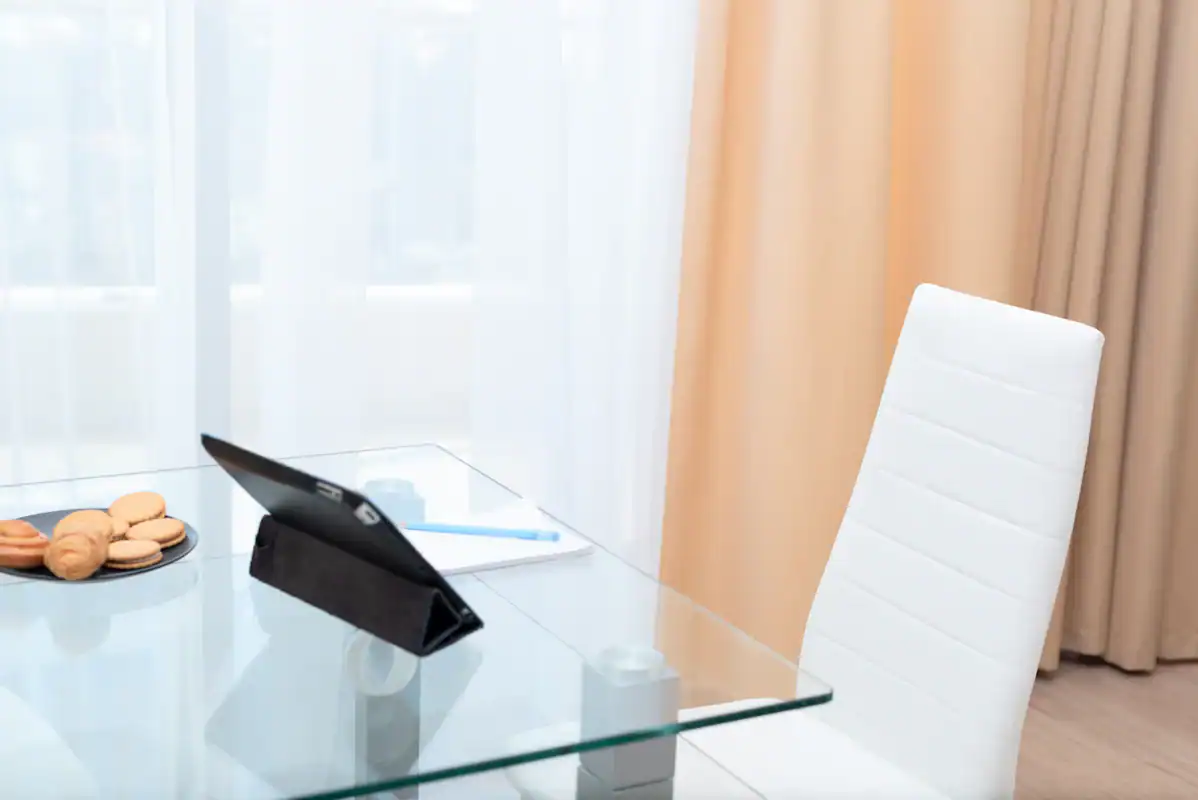
Custom Glass Table Tops Woodbury
You’ve invested in quality furniture. Now you want it to last without covering it in tablecloths or worrying every time someone sets down a drink.
Custom glass table tops create an invisible shield that stops scratches, heat rings, and everyday damage before it starts. Your wood grain still shows. Your finish stays pristine. And you stop stressing about spills at dinner or kids doing homework at the table.
Tempered glass is four to five times stronger than regular glass, so it handles real life—not just careful living. It’s scratch-resistant, heat-tolerant, and if it ever breaks, it crumbles into dull pieces instead of dangerous shards.
Glass Services Woodbury NY
We’ve served Woodbury and Long Island for over 20 years. What started with custom shower enclosures expanded into every type of precision glass work—including table tops homeowners trust with their best furniture.
We hold Better Business Bureau certification and maintain active memberships in the Long Island Builders Institute and National Kitchen and Bath Association. From consultation to installation, our process is built around accuracy and clear communication. You get transparent proposals, exact measurements, and glass that fits the way custom work should.
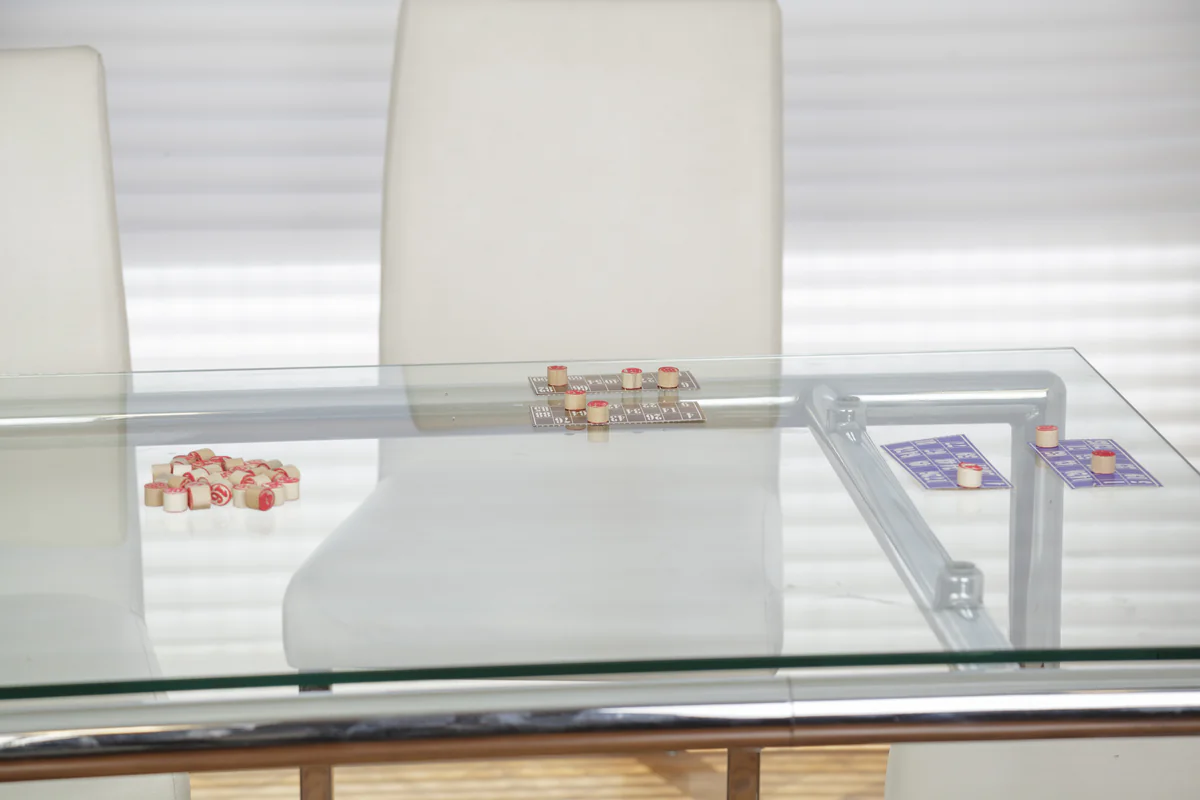
Glass Table Top Installation Woodbury
It starts with understanding what you need. Is this protective glass for an antique dining table? A modern coffee table? A desk that takes daily abuse? The purpose shapes everything—thickness, edge style, whether you need tempered glass.
Next comes measurement. Either you provide exact dimensions or we come to your home to create a template. This step matters because tempered glass can’t be cut after it’s made. The measurement happens once, and it happens correctly.
Then fabrication. You choose thickness based on size and use—typically 1/4 inch for smaller tables, 3/8 inch for coffee tables, 1/2 inch for dining tables. Edge work gets finished to your preference: flat polished for a clean look, beveled for a decorative touch, or pencil edge for a softer feel.
Installation is straightforward but deliberate. The glass gets delivered, positioned carefully, and secured with bumpers or pads that prevent sliding and protect the furniture underneath.

Ready to get started?
Durable Glass Table Covers Woodbury
Every glass table top is cut to your exact specifications. Round, rectangular, oval, or custom shapes—fabricated to fit your furniture, not the other way around. No gaps, no unwanted overhangs, no settling for close enough.
Woodbury homeowners typically choose tempered glass for dining and coffee tables, especially with kids or pets around. It’s safer, and the strength difference is significant. For smaller accent tables or decorative covers, standard annealed glass works fine and costs less.
Edge options matter more than you’d expect. Flat polished edges give clean, modern lines. Beveled edges add elegance and catch light beautifully. Pencil edges offer a softer, rounded feel. Thickness determines durability—for most dining tables, 1/2 inch hits the sweet spot between strength and practicality.
You also get guidance on care. Glass is low-maintenance but not no-maintenance. A microfiber cloth and glass cleaner keep it clear. Felt pads or rubber bumpers underneath prevent sliding and protect your furniture’s finish.
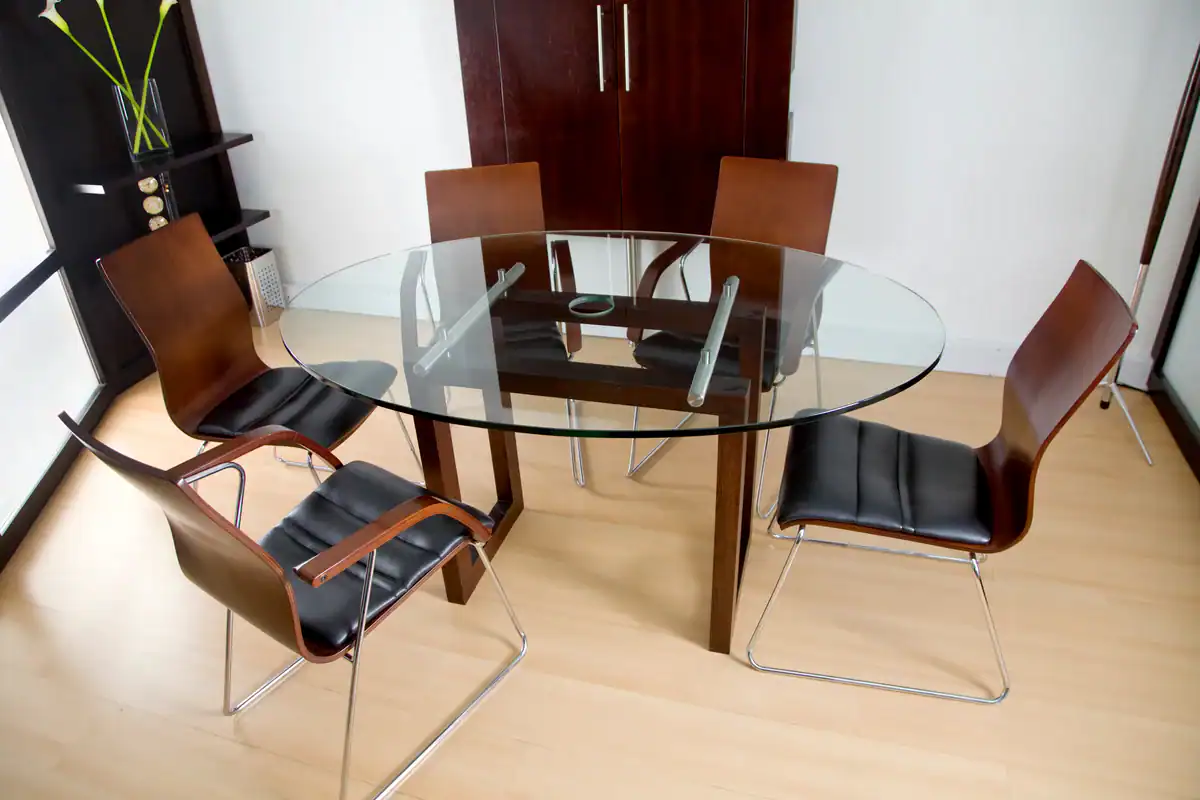
Should I choose tempered or regular glass for my table top?
It depends on how you use the table. Tempered glass is four to five times stronger than regular glass, and if it breaks, it crumbles into small, dull pieces instead of sharp shards. That makes it right for dining tables, coffee tables, or surfaces where kids or pets spend time.
Regular annealed glass works for decorative pieces—side tables, dressers, or surfaces that don’t see heavy use. It costs less and looks identical. But if the table gets daily use, if you’re setting hot dishes near it, or if safety matters, tempered is worth it.
One thing to know: tempered glass can’t be cut after it’s made. Measurements have to be exact before fabrication.
What thickness do I need for a dining table?
For most dining tables, 1/2 inch is standard. It’s thick enough to feel substantial, strong enough to handle plates and serving dishes, and heavy enough to stay put without sliding. If your table is especially large or a pedestal base where glass is the actual surface, you might go to 3/4 inch for stability.
Coffee tables and side tables usually work with 3/8 inch. Smaller accent pieces or protective covers often use 1/4 inch. The key is matching thickness to both surface size and how much weight it’ll support.
Thicker glass costs more and weighs more, but it lasts longer and feels more premium. If you’re protecting valuable furniture, don’t cheap out on thickness just to save a few dollars.
How do I keep the glass from sliding around?
Small rubber bumpers or felt pads at each corner—and sometimes along edges—keep glass stable without damaging furniture. These create just enough grip to prevent sliding while allowing air circulation underneath, which protects wood finishes from moisture buildup.
For heavier glass or high-traffic tables, clear rubber dots or silicone spacers work well. They’re nearly invisible but hold glass firmly. The goal is preventing the glass from shifting when someone leans on the table while still letting you lift it off occasionally for cleaning underneath.
Can I put hot dishes directly on glass?
Not directly. Even tempered glass, which handles heat better than regular glass, can develop stress cracks if you put a very hot pan straight from the stove onto a cool surface. The temperature difference creates internal stress that can lead to cracks or shattering.
A hot coffee mug or warm plate from the microwave is generally fine. But anything straight from the oven or stovetop needs a trivet or hot pad underneath. Tempered glass is strong, but rapid, extreme temperature changes are one of the few things that can damage it.
How long does it take to get custom glass?
Typically one to two weeks from measurement to installation, depending on complexity. Simple rectangular or round pieces with standard edges move faster. Custom shapes, beveled edges, or specialty glass types take longer because of fabrication requirements.
Tempered glass adds a few days since it requires specific heating and cooling that can’t be rushed. But that’s time well spent if safety matters. Once glass is tempered, it’s done—no adjustments, no rework. The process is designed to get it right the first time.
How much do custom glass table tops cost?
Cost depends on size, thickness, glass type, and edge work. Tempered glass runs around $18 to $30 per square foot depending on thickness. A standard dining table top might range from a few hundred dollars for smaller pieces to over a thousand for large, thick custom pieces with beveled edges.
Edge work adds cost—flat polished edges add a few dollars per linear foot, while decorative beveled edges cost more. Custom shapes, holes for hardware, or specialty glass also increase price. But you’re paying for precision fabrication and high-quality glass products that actually protect your furniture.
The best approach is getting a detailed quote based on your specific needs. A transparent proposal should break down exactly what you’re paying for—material, fabrication, edge work, and installation.
Other Services we provide in Woodbury