
Glass Table Tops in Yaphank, NY
Stop Worrying About Every Scratch and Water Ring

Hear from Our Customers
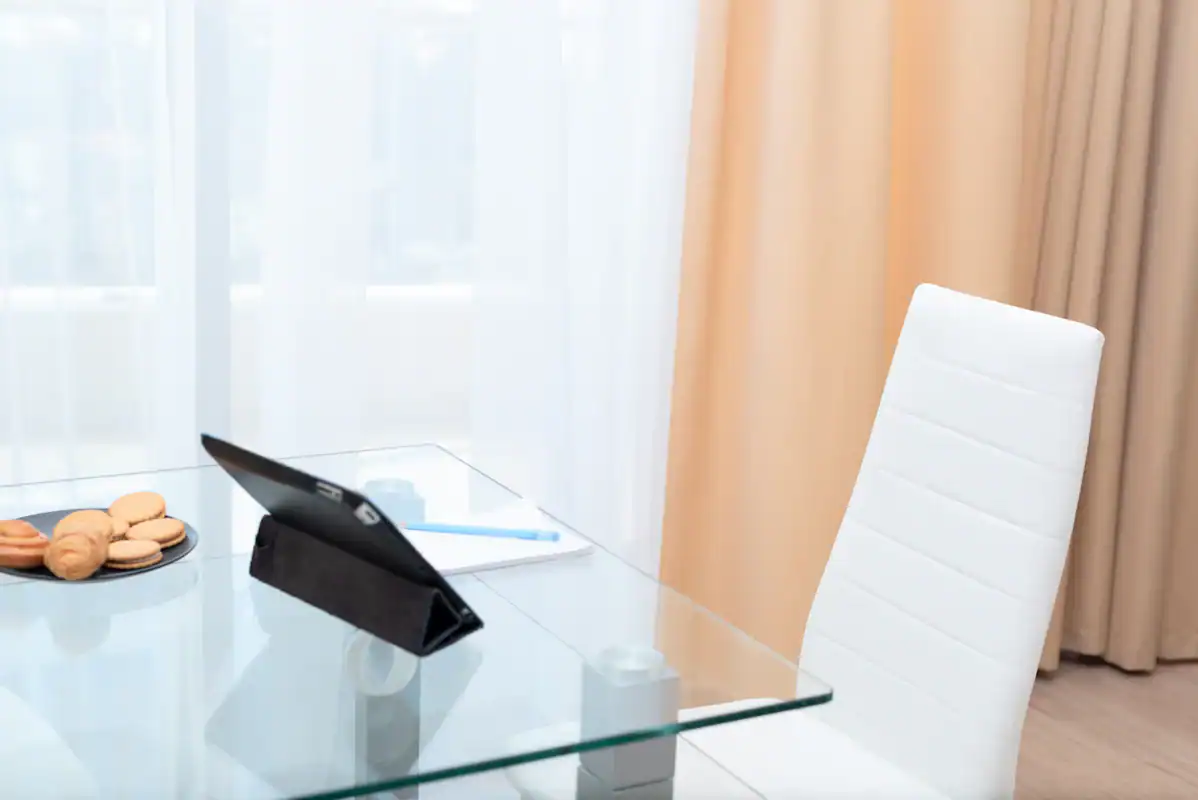
Custom Glass Table Tops Yaphank
You stop worrying every time someone sets down a drink. The water rings, the heat marks, the scratches from keys or homework—they don’t reach your table anymore. Your wood stays protected, your finish stays intact, and your furniture keeps the look you paid for.
A custom glass table top doesn’t just cover your table. It gives you back the freedom to actually use it. No more coasters everywhere, no more paranoia about spills, no more “please be careful” every time someone sits down.
The glass is cut to your exact measurements. It sits flat, feels solid, and cleans up in seconds. You get a surface that handles real life without showing it. And because it’s tempered, it’s built to last—stronger, safer, and designed to take the kind of use that would wreck an unprotected table in a year.
Glass Services Yaphank NY
We’ve been serving Yaphank and the surrounding Long Island area for over 20 years. We specialize in custom glass solutions, from shower enclosures to glass railings, and bring that same precision to every glass table top project.
We work with homeowners, contractors, and designers across Suffolk County—including projects in the Hamptons and throughout residential neighborhoods in Yaphank. We’ve built our reputation on accurate measurements, transparent pricing, and installations that go smoothly from start to finish. Our certifications with the Better Business Bureau and memberships in LIBI and the National Kitchen and Bath Association back up the work we do every day in local communities.
Every project gets the same attention—clear communication, detailed proposals, and craftsmanship that holds up. Whether you’re protecting an antique dining table or outfitting a new office desk, you’re working with a local team that knows Long Island homes and what it takes to get glass right.
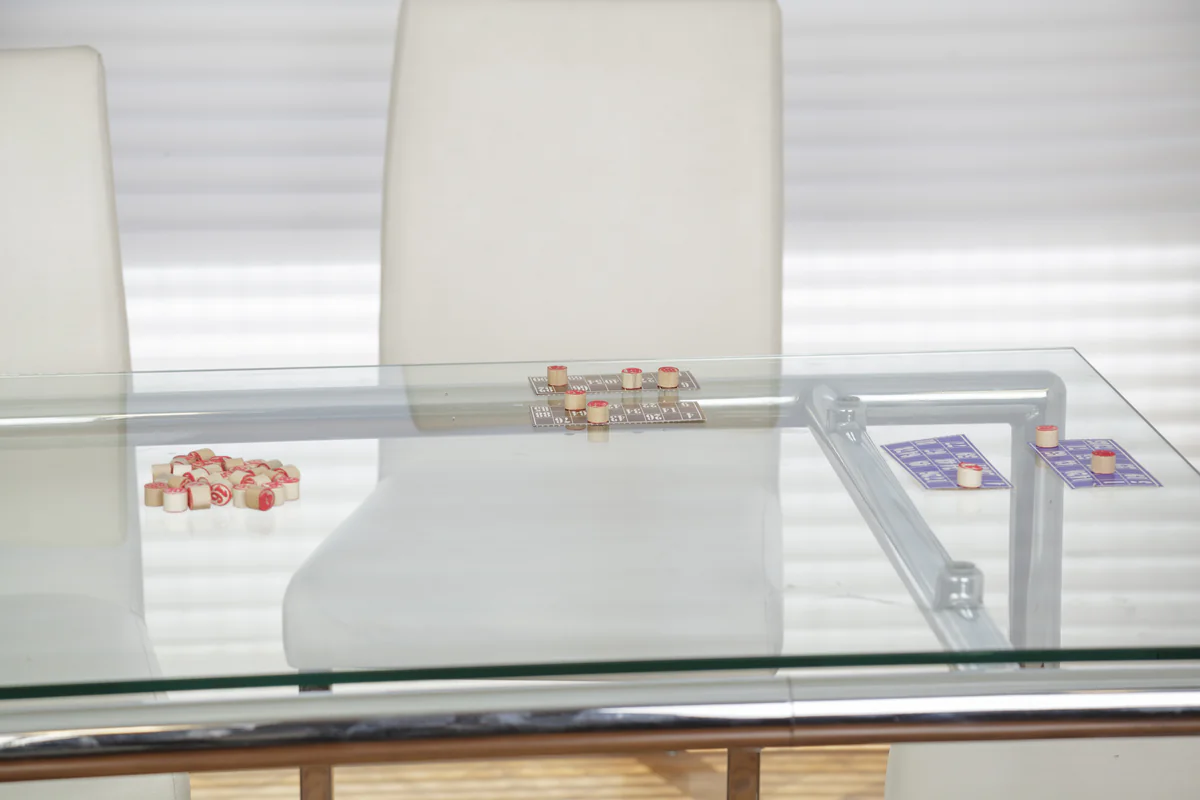
Glass Table Top Installation Process
It starts with measurement. You provide the dimensions of your table, or we can come out to measure in person if the shape is unusual or you want to be certain. Round, rectangular, oval, custom edge cuts—whatever fits your furniture.
Once measurements are confirmed, the glass is fabricated to your specifications. You choose the thickness based on how the table will be used. A protective cover over an existing surface usually calls for 1/4″ glass. A standalone table top that needs to support weight on its own typically needs 3/8″ or 1/2″. You also pick the edge style—flat polish for a clean look, pencil edge for rounded safety, or beveled edge if you want something more formal.
The glass is tempered for strength and safety. That means it’s heat-treated to be four times stronger than standard glass, and if it ever does break, it shatters into small, dull pieces instead of dangerous shards.
After fabrication, the glass is delivered and installed. We handle it carefully, set it in place, and make sure it sits flush and stable. You’re left with a table that’s protected, functional, and ready to use the same day.

Ready to get started?
High-Quality Glass Products Yaphank
Every glass table top is cut to your exact dimensions. That’s not an estimate or a close-enough size—it’s measured, fabricated, and delivered to fit the table you have. Round tables, rectangles, ovals, shapes with notches or curves—all of it can be accommodated.
The glass itself is tempered, which makes it significantly stronger and safer than standard glass. Tempered glass resists scratches better, handles temperature changes without cracking, and provides a solid surface that doesn’t flex or feel flimsy. For Yaphank homeowners dealing with humid Long Island summers or temperature swings, that durability matters.
You choose the thickness based on your table’s structure and how you’ll use it. Thinner glass works for protective covers. Thicker glass is necessary when the glass serves as the actual table surface. The most common thicknesses for dining tables fall between 3/8″ and 1/2″, while coffee tables and desks often use 1/4″ to 3/8″. Larger tables or conference setups may require 1/2″ to 3/4″ for stability and visual weight.
Edge options give you control over both safety and style. Flat polished edges are smooth and modern. Pencil edges are rounded for homes with kids. Beveled edges add a formal, elegant look. All edges are finished and polished so there are no sharp spots.
The glass protects your furniture from the stuff that ruins tables—water rings, heat from plates and mugs, scratches from daily use, and spills that would otherwise stain or damage the surface underneath. And when it needs cleaning, a quick wipe with glass cleaner is all it takes.
What thickness of glass do I need for my table?
Thickness depends on how you’re using the glass and the size of your table. If you’re placing glass on top of an existing table as a protective cover, 1/4″ thick glass is usually sufficient. It’s strong enough to protect the surface underneath from scratches, spills, and heat without adding too much weight.
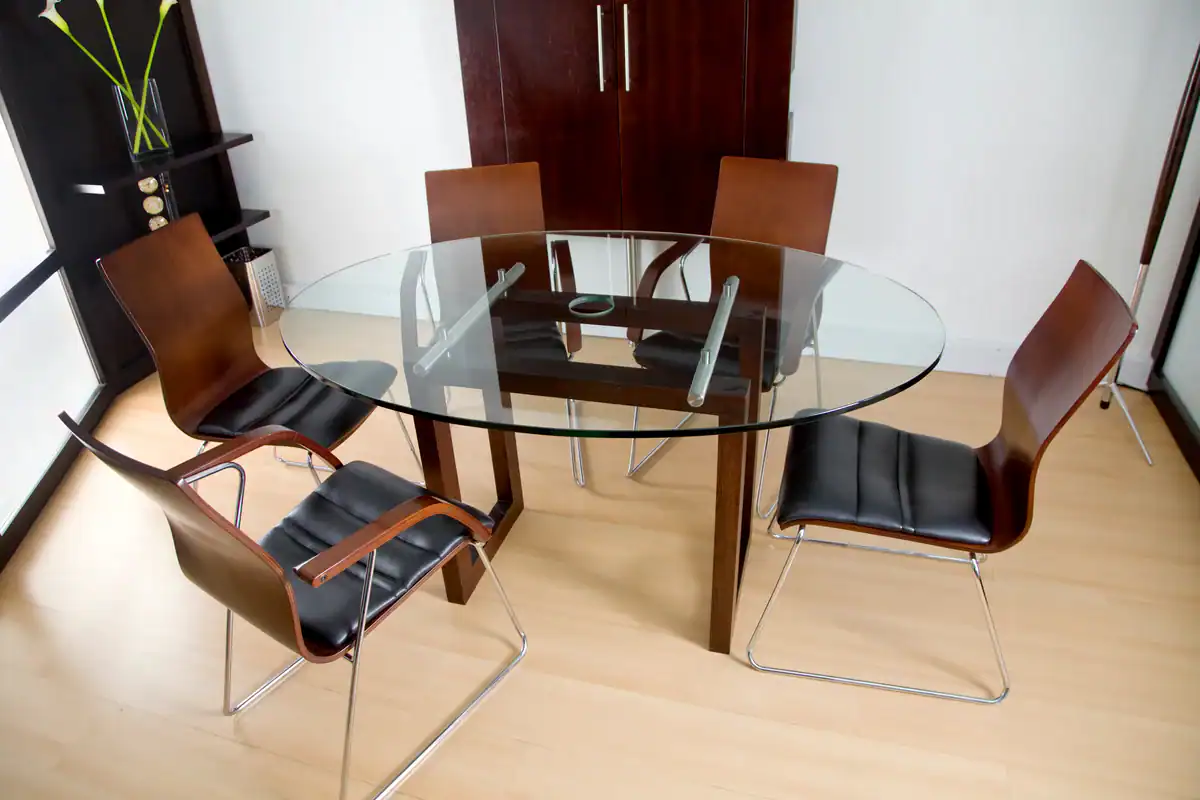
If the glass is serving as the actual table surface—meaning it’s sitting on a pedestal base or frame and needs to support weight on its own—you’ll need thicker glass. For most dining tables, 3/8″ is the standard. For larger tables, tables with minimal support, or conference tables, 1/2″ to 3/4″ thickness is recommended to prevent flexing and ensure the surface feels solid.
The size of your table also matters. Smaller accent tables and nightstands can get away with 3/16″ to 1/4″ glass. Larger surfaces need more thickness to handle the span without bowing or feeling unstable. If you’re unsure, providing the table dimensions and describing how it will be used helps us determine the right thickness for your specific setup.
Should I get tempered glass or is regular glass fine?
Tempered glass is the better choice in almost every situation. It’s heat-treated to be about four times stronger than regular annealed glass, which means it resists scratches, handles impact better, and holds up to daily use without cracking or chipping as easily.
The bigger difference is safety. If tempered glass does break, it shatters into small, rounded pieces that are far less likely to cause injury. Regular annealed glass breaks into large, sharp shards that can be dangerous, especially in homes with kids or high-traffic areas.
Tempered glass also handles temperature changes better, which matters if you’re using it for a dining table where hot dishes get set down, or for outdoor patio furniture that’s exposed to sun and weather. It won’t crack from heat stress the way thinner or untreated glass might. The cost difference is minimal, and the added strength and safety make it worth it for any table that’s going to see regular use.
How do I measure my table for a custom glass top?
For rectangular or square tables, measure the length and width at the widest points. Use a tape measure and record dimensions in inches. If the table has rounded corners, note the radius of the curve. For round tables, measure the diameter—straight across the center at the widest point.
If your table has an unusual shape, irregular edges, or cutouts, the best approach is to create a template. Lay a large piece of cardboard or paper over the table and trace the outline. Mark where any holes or notches need to be cut for pedestals or supports. This gives a precise pattern that can be used for fabrication.
Measure twice to avoid mistakes. Even small errors can result in glass that doesn’t fit correctly. If you’re not confident in your measurements or the table has a complex shape, having us come out to measure is the safer option. We offer in-home measurement services to ensure accuracy, especially for high-value or intricate projects.
Will a glass table top protect my wood furniture from damage?
Yes. A glass table top creates a protective barrier between your furniture and everything that damages it—water, heat, scratches, and spills. Wood is particularly vulnerable to water rings from glasses and mugs, heat marks from hot dishes, and scratches from keys, utensils, or everyday objects sliding across the surface.
Glass stops all of that. The moisture doesn’t reach the wood. The heat doesn’t transfer through. Scratches happen on the glass, not the finish underneath. If you have an antique table, a custom wood piece, or furniture with a painted or lacquered finish, glass protection extends its life significantly and keeps it looking the way it did when you bought it.
The glass also makes cleaning easier. Instead of worrying about what cleaners are safe for wood or how to remove stains, you just wipe down the glass. The wood underneath stays pristine. For furniture that gets daily use—dining tables, desks, coffee tables—this kind of protection prevents the gradual wear that would otherwise require refinishing or replacement down the line.
How is the glass installed once it's fabricated?
Once the glass is cut and finished, it’s delivered to your location. Installation is straightforward for most table tops because the glass simply rests on the table surface. The weight of the glass keeps it in place, and because it’s custom-cut to your exact dimensions, it sits flush without gaps or overhang.
For tables where the glass serves as the actual surface—like pedestal tables or glass sitting on a frame—the installation may involve securing the glass with brackets, standoffs, or adhesive pads depending on the design. These keep the glass stable and prevent shifting. We handle this and ensure everything is level and secure before we leave.
The glass arrives packaged carefully to prevent damage during transport. It’s heavy, especially thicker pieces, so professional handling is important. Once it’s in place, there’s no curing time or waiting period—you can use the table immediately. If you ever need to remove the glass for cleaning underneath or moving furniture, it lifts off easily and can be set back down without tools or hardware.
Can I get custom edge styles on my glass table top?
Yes. Edge style is one of the customization options available when ordering a glass table top. The most common edge finishes are flat polish, pencil edge, and beveled edge. Each serves a different purpose and creates a different look.
Flat polish edges are smooth, clean, and modern. The edge is ground down and polished so it’s safe to touch, but it maintains a sharp, straight appearance. This works well for minimalist or contemporary spaces where you want the glass to blend in without drawing attention.
Pencil edges are rounded, which makes them safer for households with children or high-traffic areas where people might brush against the table. The rounded profile reduces the risk of injury and gives the glass a softer, more approachable look.
Beveled edges are angled cuts, usually about 1″ wide, that catch light and create a more formal, elegant appearance. They’re often used for dining tables, executive desks, or statement pieces where the glass is part of the design rather than just functional. You can specify the edge style when ordering, and the glass is finished accordingly during fabrication.
Other Services we provide in Yaphank