Summary:
You invested in a stunning pool. You carefully selected every tile, every finish, every landscape detail. Then someone mentions you need a fence, and suddenly you’re picturing chain-link or bulky railings blocking the view you just paid for.
There’s a better way. Frameless glass pool enclosures give you code-compliant safety without the visual clutter. You get unobstructed sightlines for supervising kids, climb-resistant barriers that actually work, and a modern aesthetic that fits the Hamptons lifestyle. This isn’t about compromise—it’s about getting both safety and style right the first time.
What Makes Glass Pool Enclosures Different From Traditional Pool Fencing
Traditional pool fences do one job well: they create a physical barrier. But they come with trade-offs you notice every single day. Wood fences block your view and need constant maintenance. Metal railings rust in Long Island’s coastal air. Mesh systems sag and look temporary.
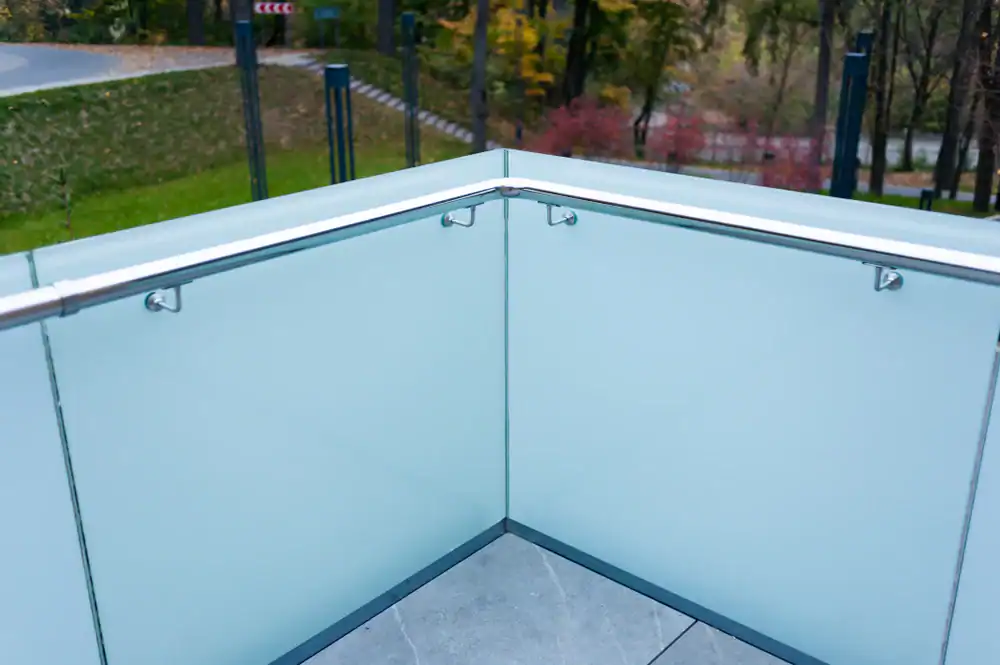
Glass pool fencing takes a different approach. Frameless panels made from half-inch tempered safety glass create an invisible barrier that lets you see your entire pool area from anywhere on your property. The glass is six times stronger than standard glass, held in place by marine-grade stainless steel hardware designed specifically for coastal environments.
What you’re really getting is supervision without obstruction. You can watch kids swimming from your kitchen window, your patio, or across the yard without anything blocking your line of sight. That matters when you’re trying to keep an eye on multiple children during summer gatherings or just want to enjoy the pool view you worked so hard to create.

How Frameless Glass Pool Fencing Provides Superior Pool Safety
The smooth surface of tempered glass panels solves a problem that traditional fences create. Wood slats, metal bars, and chain-link all give kids something to grip or use as footholds. A determined child can climb most traditional fences in seconds.
Frameless glass pool fences are different. There’s nothing to grab. No horizontal rails to step on. No gaps to wedge fingers or toes into. The continuous, smooth surface makes climbing nearly impossible, addressing one of the most common ways children bypass pool barriers and access water unsupervised.
But safety goes beyond climb resistance. Clear glass lets you maintain constant visual supervision from anywhere on your property. You’re not peering through gaps or around posts trying to see if everyone’s okay. You see the entire pool area at a glance, which matters when you’re hosting gatherings, preparing dinner inside, or managing multiple kids with different swimming abilities.
The panels meet all Nassau and Suffolk County, NY requirements, including minimum 48-inch height and self-closing, self-latching gates positioned to prevent unauthorized entry. If tempered glass ever does break—which is rare given its strength—it shatters into small, rounded pebbles instead of dangerous shards. That’s by design. The heat-treatment process that makes the glass so strong also changes how it fails, prioritizing safety even in worst-case scenarios.
Installation quality matters just as much as materials. Professional installers who specialize in glass pool enclosures know how to anchor posts properly in pool decking, ensure gates close and latch every single time, and maintain the precise spacing required by New York pool safety codes. A glass pool fence isn’t just about buying quality materials. It’s about getting the system installed correctly so it functions as intended for decades without adjustment or repair.
Your pool enclosure also needs to handle Long Island’s weather. Coastal salt air, freeze-thaw cycles, and temperature swings between summer heat and winter cold all stress outdoor structures. Tempered glass and marine-grade stainless steel hardware are specifically chosen to withstand these conditions without corroding, cracking, or losing structural integrity over time.
Why Hamptons Homeowners Choose Glass Over Wood and Metal Pool Fencing
Walk through any Hamptons estate and you’ll notice what’s missing: bulky fences interrupting sight lines. Property owners in Nassau and Suffolk County, NY invest heavily in landscape design, architectural lighting, and custom pool features. Traditional fencing blocks those investments behind visual barriers that make outdoor spaces feel smaller and more institutional.
Glass pool enclosures preserve what you’ve built. Your infinity edge stays visible from the house. Your stone waterfall remains a focal point. The custom landscaping you spent months perfecting doesn’t disappear behind wooden slats or metal bars. When you invest in quality outdoor features, you want to actually see them.
There’s also the maintenance reality. Long Island’s climate is particularly tough on traditional fencing materials. Wood fences need regular staining or painting to prevent rot, warping, and weathering from coastal humidity. Metal rusts in salt air despite protective coatings. Even powder-coated aluminum eventually shows wear from constant exposure to pool chemicals, chlorine spray, and coastal conditions.
Frameless glass pool fencing doesn’t rust, rot, or need repainting. Tempered panels and stainless steel hardware handle salt air, chlorine spray, and temperature swings without degrading. Maintenance means hosing down the glass and wiping with soapy water every few months. No scraping, sanding, or refinishing. No replacing boards or treating rust spots. No annual maintenance contracts just to keep your fence functional.
The aesthetic choice impacts property value too. When you eventually sell, buyers in the Hamptons market expect premium finishes and modern amenities throughout the property. A frameless glass pool enclosure signals that the home has been maintained to high standards with quality materials chosen for longevity. It’s not just about looking good today—it’s about making choices that hold value and appeal over time.
Contemporary architecture favors clean lines and minimal visual interruption. Glass fencing aligns with that design language in ways that traditional materials simply can’t match. Whether your home is modern, transitional, or classic Hamptons style, frameless glass adapts to the architecture without competing with it or creating visual conflict between old and new elements.
For families with children, there’s another consideration that traditional fences can’t address: visibility from inside the home. Glass pool enclosures let you supervise the pool area from your kitchen, living room, or bedroom windows without obstruction. That peace of mind—knowing you can glance outside and see the entire pool area clearly—is something you’ll value every single day during pool season.
Glass Pool Fence Installation and What to Expect in Nassau and Suffolk County
Getting glass pool enclosures installed correctly matters more than most homeowners realize. This isn’t a weekend DIY project or something you want to trust to a general contractor who’s never worked with tempered glass systems. It requires specialized equipment, deep understanding of local codes in Nassau and Suffolk County, NY, and experience working with tempered glass panels that can’t be modified after manufacturing.
The process starts with accurate measurements of your pool perimeter. Every panel is custom-cut to your pool’s specific dimensions and shape. Once glass is tempered, you can’t drill it, cut it, or adjust it in any way. The measurements need to be right the first time, accounting for slopes, corners, steps, and any obstacles around your pool area.
We coordinate with Nassau and Suffolk County building departments to secure proper permits before work begins. Requirements vary slightly between townships, but generally include building permits for the fence structure, and sometimes health department approval depending on your property’s specific zoning. We know these requirements intimately and handle the permit paperwork as part of our service, saving you time and ensuring compliance.

Understanding Tempered Glass and Why It Matters for Pool Safety
Not all glass is created equal, and that distinction becomes critical when you’re installing a safety barrier around water where children play. Tempered glass goes through a heat-treatment process that fundamentally changes its properties at a molecular level. The glass is heated to over 1,200 degrees Fahrenheit, then rapidly cooled using high-pressure air. This creates compression on the surface and tension in the interior, making the final product four to six times stronger than standard window glass.
That strength translates to real-world durability that matters for pool enclosures. Tempered glass panels can handle impacts from pool toys, furniture being moved during parties, strong winds, and even the occasional golf ball without breaking. The half-inch thickness used in most residential frameless glass pool fence installations provides substantial resistance to force while remaining crystal clear for unobstructed views.
The safety benefit extends beyond impact strength. If tempered glass does break—which is rare given its durability—the way it fails protects people nearby. Instead of creating large, sharp shards like regular window glass, tempered glass crumbles into small, relatively harmless pebbles about the size of rock salt. This characteristic is exactly why tempered glass is required by building codes for applications like pool enclosures, shower doors, and any glass installation where human contact is likely or inevitable.
For coastal properties in Nassau and Suffolk County, NY, there’s another important consideration: resistance to thermal stress. Temperature changes between hot summer days and cool evenings can crack standard glass through thermal expansion and contraction. Tempered glass handles these thermal cycles without issue, which matters significantly when you’re installing a permanent outdoor structure that will experience Long Island’s full range of seasonal temperatures.
The clarity of the glass matters too for maintaining those unobstructed views. Some homeowners notice the slight green tint visible in standard clear glass, especially when looking through multiple panels or viewing from certain angles. For those who want absolutely crystal-clear transparency, low-iron glass options eliminate that tint entirely. It’s a premium upgrade that costs more, but it makes a noticeable difference when you’re looking through your glass pool fence from a distance or want the clearest possible view of your pool and landscape.
Marine-grade stainless steel hardware complements the glass panels in quality and durability. Standard stainless steel can corrode in coastal environments despite its reputation for rust resistance. But 316-grade stainless steel—often called marine-grade—resists salt air corrosion even in harsh coastal conditions. The spigots, clamps, and hinges that hold your frameless glass pool enclosure together need to perform in these conditions for decades, and material selection makes the difference between a system that lasts and one that shows corrosion within just a few years.
Self-closing, self-latching gates are another critical safety component required by New York pool codes. These aren’t standard gates with manual latches that people might forget to close. They use specialized hinges that automatically pull the gate closed and magnetic latches that secure it without any action required. This ensures your pool barrier is always secure, even when people are distracted, in a hurry, or simply forget.
Frameless vs Semi-Frameless Glass Pool Enclosures: Which Design Fits Your Property
When you start looking at glass pool fencing options for your Nassau or Suffolk County, NY property, you’ll encounter two main design styles: frameless and semi-frameless. Understanding the practical differences helps you make the right choice for your specific property, budget, and aesthetic goals.
Frameless glass pool enclosures use absolutely minimal hardware. Glass panels are secured at the base with stainless steel spigots drilled directly into your pool deck. There are no top rails, no side posts between panels, and nothing interrupting your view from any angle. The glass appears to float in place, creating the most seamless, modern aesthetic possible and the clearest sightlines for pool supervision.
This design requires thicker glass and more precise engineering to achieve structural stability without frames. Without posts or rails providing additional support, the panels themselves and the base-mounting system carry all the structural load. That precision and the thicker glass required come with higher material and installation costs. But the visual result is unmatched. If your priority is creating an essentially invisible barrier that showcases your pool design and landscape investment, frameless is the premium choice.
Semi-frameless glass pool fencing systems use slim posts between glass panels but eliminate top and bottom rails. You still get clean, largely unobstructed sightlines with slightly more visible structure at panel joints. The posts provide additional support, which can reduce glass thickness requirements and overall project cost while still maintaining a modern, clean aesthetic that’s far superior to traditional fencing.
For properties with challenging terrain, slopes, elevation changes, or irregular pool shapes, semi-frameless designs often offer more flexibility in adapting to site conditions. The posts can accommodate variations that would be difficult or impossible with a purely frameless system. This makes semi-frameless a practical choice for pools with complex perimeters or properties where the terrain isn’t perfectly level.
Both styles meet Nassau and Suffolk County, NY pool safety codes when properly installed by experienced professionals. The choice comes down to your aesthetic preferences, budget considerations, and your property’s specific site conditions. Frameless works beautifully on level surfaces around rectangular or gently curved pools where the clean lines can really shine. Semi-frameless adapts better to complex layouts, tight spaces, or situations where additional structural support makes practical sense.
We assess your specific property during the initial consultation and recommend the approach that balances your design goals with practical considerations like terrain, pool shape, and existing hardscaping. We won’t automatically push you toward the most expensive option. We’ll explain what works best for your site and let you decide based on complete, transparent information about costs, benefits, and long-term performance.
Gate design and hardware quality matter regardless of which system you choose. Self-closing hinges and magnetic latches ensure gates close and secure automatically every single time someone passes through. This isn’t optional or just a nice feature—it’s required by New York pool safety codes and essential for protecting children. Quality gate hardware makes the difference between a system that works reliably for years without adjustment and one that needs constant tweaking to function properly.
The installation timeline for glass pool enclosures typically runs 1-2 days for most residential projects, though complex layouts or larger perimeters may take longer. The actual work is relatively quick once materials arrive, but the lead time for custom-cut tempered glass panels can be several weeks depending on the manufacturer’s schedule and your specific requirements.
Maintaining Your Glass Pool Fence for Long-Term Performance
One of the biggest practical advantages of glass pool fencing is how little maintenance it requires compared to traditional wood or metal alternatives. You’re not dealing with paint, stain, rust treatment, or board replacement. But keeping your glass looking pristine and functioning properly does require some basic care.
Clean the panels every two to three months with warm water and mild dish soap. Use a soft sponge or microfiber cloth to avoid scratching the glass surface. Rinse thoroughly with a garden hose and either let air dry or squeegee off excess water to prevent water spots. That’s the entire cleaning process. No special cleaners needed, no complicated procedures, no professional maintenance contracts.
If you live near the coast in Suffolk County, NY or notice hard water deposits building up, you may need to clean more frequently—perhaps monthly during peak pool season. Salt spray and mineral buildup from sprinklers or pool splash can create spots that simple soap and water won’t remove completely. For stubborn stains, diluted white vinegar works well. For serious mineral deposits, products designed specifically for glass cleaning can help, but avoid anything highly acidic or abrasive that could damage the glass surface or protective coatings.
The stainless steel hardware needs attention too. Wipe down spigots, clamps, and hinges when you clean the glass panels. This prevents buildup of pool chemicals and salt that can eventually cause corrosion even on marine-grade stainless steel. A quick wipe with a damp cloth takes seconds per piece of hardware and extends the life of your glass pool enclosure significantly.
Your frameless glass pool fence represents a significant investment in your property’s safety, aesthetics, and value. With professional installation and minimal ongoing care, it will perform flawlessly for decades while maintaining the pristine, transparent appearance that makes glass fencing the premium choice for discerning Hamptons homeowners.
If you’re ready to explore glass pool enclosures for your Nassau or Suffolk County, NY property, we bring over 20 years of experience with custom glass installations across Long Island and the Hamptons. Our team understands local requirements, coastal conditions, and what it takes to deliver installations that meet the exacting standards of the region’s finest estates.