Summary:
What Makes Glass Railings Different from Traditional Options
Traditional railings—whether wood, wrought iron, or cable systems—all share the same limitation: they interrupt your sightline. Posts, pickets, and horizontal cables create visual barriers that chop up views and block natural light from flowing through your space.
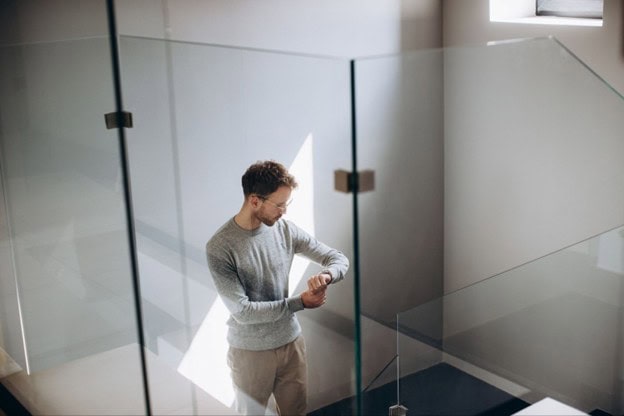
Glass railings take a different approach. Instead of relying on multiple vertical or horizontal elements, they use continuous tempered or laminated glass panels secured by minimal hardware. The result is a transparent barrier that meets safety codes without the visual clutter.
This matters more than you might think. In Nassau County waterfront homes or Suffolk County properties overlooking preserved land, unobstructed views aren’t just nice to have—they’re why you bought the house. Glass railings protect that investment by keeping those views intact while still providing the safety barrier building codes require.

How Frameless Glass Railing Systems Work
Frameless glass railing systems represent the cleanest option available. Unlike framed systems that surround glass panels with metal or wood borders, frameless designs eliminate visible frames entirely, using discreet mounting hardware to secure thick glass panels directly to your deck, staircase, or balcony structure.
The glass itself does the heavy lifting. Panels are typically made from half-inch tempered safety glass or laminated glass—both engineered to handle significant force. Tempered glass goes through a heat-treating process that makes it four to five times stronger than standard glass. If it does break (which is rare), it shatters into small, blunt pieces rather than dangerous shards.
Laminated glass takes a different approach by bonding two layers of glass with an interlayer material. This design means the glass holds together even if cracked, similar to a car windshield. Both options meet residential building codes and provide reliable protection for decades.
The mounting systems vary based on your specific application. Base shoe systems secure glass panels into a channel at the bottom, creating a sleek profile. Standoff systems use small metal posts that bolt through the glass at specific points. Spigot systems mount directly to your deck or floor surface with minimal visible hardware. Each approach has advantages depending on your structure, aesthetic preferences, and local code requirements.
Installation requires precision. Glass panels are custom-cut to exact measurements, and mounting hardware must be installed perfectly level and secure. This isn’t a DIY project—professional installation ensures your system meets load requirements, passes inspection, and performs safely for years. We’re familiar with Nassau and Suffolk County building codes and can navigate local requirements and handle the permitting process efficiently.
Interior Glass Stair Railing vs Exterior Glass Deck Applications
Interior glass stair railings and exterior glass deck railings serve different purposes and face different challenges, though the core benefits remain consistent. Understanding these differences helps you make informed decisions for your specific project.
Interior applications focus on maximizing light and creating visual flow between levels. Glass stair railings in Long Island homes help natural light travel from upper floors down to main living areas—particularly valuable during winter months when daylight is limited. The transparency also makes spaces feel larger and more open, which matters in homes where staircases occupy central locations.
Maintenance is simpler indoors. You’re dealing with fingerprints, dust, and occasional smudges rather than weather-related buildup. A quick wipe with glass cleaner and a microfiber cloth every week or two keeps interior glass railings looking pristine. The controlled environment means less frequent deep cleaning and no exposure to salt air or temperature extremes.
Exterior glass railing systems face tougher conditions but deliver even more dramatic benefits. Deck railings, balcony guards, and pool enclosures deal with Long Island’s variable weather—salt air near the coast, temperature swings, rain, and occasional snow. This is where glass actually outperforms traditional materials.
Wood railings on exterior decks require regular staining and sealing to prevent rot and weathering. Skip a season and you’ll see deterioration. Metal railings corrode in coastal environments, especially near the water where salt accelerates rust. Glass doesn’t rot, rust, or corrode. It handles weather exposure without degrading, which means your railing looks the same in year ten as it did on installation day.
The view preservation becomes critical outdoors. If you’re on a waterfront property in Nassau County or overlooking preserved land in Suffolk County, blocking that view with traditional railings defeats the purpose of the location. Frameless glass railings disappear visually, letting you enjoy uninterrupted sightlines from your deck or patio.
Cleaning exterior glass requires more attention than interior applications, but it’s still straightforward. Coastal properties may need cleaning every few months to remove salt residue and water spots. A squeegee, some glass cleaner, and fifteen minutes handles most situations. For hard-to-reach second-story installations, an extendable squeegee makes the job manageable without leaning over railings.
Both applications benefit from the same safety advantages. Glass panels create continuous barriers with no gaps for children or pets to slip through—a significant improvement over traditional railings with spacing between balusters. The solid surface also blocks wind more effectively than cable or picket systems, making decks and balconies more comfortable in breezy conditions.
The Real Benefits of Residential Glass Railing Systems
Glass railings deliver practical advantages that go beyond appearance. Yes, they look modern and clean, but the functional benefits matter more for Long Island homeowners dealing with coastal weather, property values, and long-term maintenance costs.
The maintenance reduction alone justifies the investment for most people. Traditional wood railings need staining or painting every few years. Metal railings require inspection for rust and corrosion, especially in salt air environments. Glass railings need cleaning—that’s it. No refinishing, no rust treatment, no structural repairs from rot or decay.
Property value impact is measurable. Homes with modern upgrades sell faster and command higher prices in Nassau and Suffolk Counties. Glass railings signal quality and contemporary design to potential buyers, and the transparency makes spaces photograph better for listings. Real estate professionals consistently note that homes with glass railings generate more interest and often sell above asking price in competitive markets.
How Glass Railings Handle Long Island's Coastal Climate
Long Island’s location creates specific challenges for exterior building materials. You’re dealing with salt air near the water, humidity throughout the year, temperature swings from summer heat to winter cold, and occasional severe weather events. Materials that work fine inland struggle in coastal environments.
Glass thrives in these conditions. Tempered and laminated glass panels don’t react to salt, moisture, or temperature changes the way metal and wood do. There’s no oxidation, no expansion and contraction that loosens fasteners, no moisture absorption that leads to rot. The glass itself remains stable and clear regardless of weather exposure.
The mounting hardware requires more attention in coastal applications. Stainless steel components resist corrosion better than standard metals, and we recommend marine-grade stainless for properties within a mile of the ocean. These upgrades add modest cost upfront but prevent the corrosion issues that plague standard metal railings in salt air environments.
Wind resistance becomes important for waterfront properties and elevated decks. Glass panels actually perform well in high wind conditions when properly installed. The continuous surface distributes wind load across the entire panel rather than concentrating stress on individual posts or cables. Engineering calculations account for wind pressure, and properly specified systems handle the conditions Long Island properties face.
Temperature extremes don’t affect glass the way they impact other materials. Wood expands and contracts with humidity and temperature changes, creating gaps and loosening connections over time. Metal conducts temperature, making railings uncomfortably hot in summer sun or cold in winter. Glass remains dimensionally stable and doesn’t conduct temperature as readily, maintaining consistent performance year-round.
The real test comes over time. Traditional railings show their age within five to ten years in coastal environments. Paint fades and peels. Stain wears thin. Metal develops rust spots. Wood shows weathering and rot. Glass railings look essentially the same after a decade as they did on day one, assuming basic cleaning maintenance. That longevity translates to lower lifetime costs despite higher upfront investment.
What Glass Railing Maintenance Actually Involves
The maintenance story is simple enough that it’s worth spelling out exactly what you’re committing to. Glass railings don’t require specialized knowledge or expensive products—just regular attention and basic supplies.
For interior glass stair railings, maintenance means wiping down panels when you notice fingerprints or dust. Use any ammonia-free glass cleaner and a microfiber cloth. Spray the cleaner onto the cloth rather than directly on the glass to avoid drips on your flooring. Wipe in smooth motions, then buff dry with a clean section of the cloth. The entire process takes maybe five minutes for a typical staircase installation.
Exterior glass railing maintenance requires slightly more effort but remains straightforward. Plan on cleaning every few months for most Long Island locations, or monthly if you’re directly on the water dealing with constant salt spray. Start by rinsing panels with a hose to remove loose dirt and salt. Then clean with glass cleaner and a microfiber cloth or squeegee. For second-story installations, an extendable squeegee reaches the outside surface without requiring you to lean over the railing.
Water spots are the most common issue with exterior glass. Hard water and rain can leave mineral deposits that cloud the glass over time. Address these by squeegeeing panels after rain or using distilled water for final rinses in areas with particularly hard water. Some homeowners apply protective coatings that repel water and reduce spotting—these treatments last several months and make routine cleaning easier.
Hardware inspection should happen a few times per year. Check that mounting brackets, bolts, and clamps remain tight. Look for any signs of corrosion on metal components, especially in coastal locations. Tighten any loose fasteners and address corrosion early before it becomes a structural concern. This takes maybe ten minutes during your regular cleaning routine.
Avoid abrasive cleaners or scrub pads that can scratch the glass surface. Micro-scratches accumulate over time and dull the clarity you’re trying to maintain. Stick with soft cloths and gentle cleaners. For stubborn residue, soak the area with cleaner and let it sit for a minute before wiping rather than scrubbing aggressively.
The maintenance commitment is minimal compared to alternatives. Wood deck railings need complete refinishing every two to three years—a full weekend project involving sanding, cleaning, and multiple coats of stain or paint. Metal railings require rust removal and repainting on a similar schedule. Glass railings need fifteen minutes of cleaning every few months. The time savings alone makes the choice obvious for busy homeowners.
Making the Right Choice for Your Long Island Property
Glass railings work for Long Island homes because they solve real problems without creating new ones. They preserve views you paid for, reduce ongoing maintenance, handle coastal weather, and increase property value. The upfront cost is higher than basic wood or metal railings, but the lifetime value makes sense when you factor in maintenance time, refinishing costs, and the visual impact on your home.
The key is working with installers who understand local building codes and have experience with Nassau and Suffolk County projects. Glass railing installation requires precision—measurements must be exact, mounting hardware needs proper specification for your application, and the entire system must pass inspection. Experienced professionals handle these details correctly the first time.
At OMG Shower Doors, we bring over two decades of experience with custom glass solutions throughout Nassau and Suffolk Counties. Our work with high-end properties across Long Island, including the Hamptons, demonstrates the expertise needed for installations that look great and perform reliably for years.